Back
Print sheet
Add to My Collection
whiteonwhite: algorithmicnoir
2009-2011
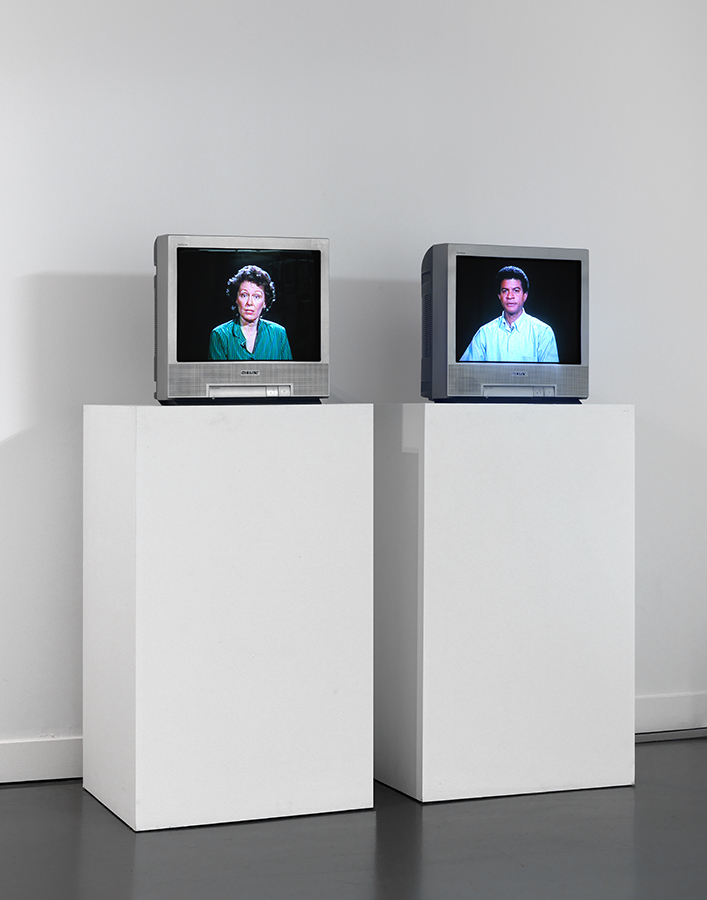
Video projection: software that randomly combines images and voices, computer and LCD monitor (colour, sound)
Dimensions: Variable dimensions
Reference: ACF0525
Edition: 3/10
Add to My Collection
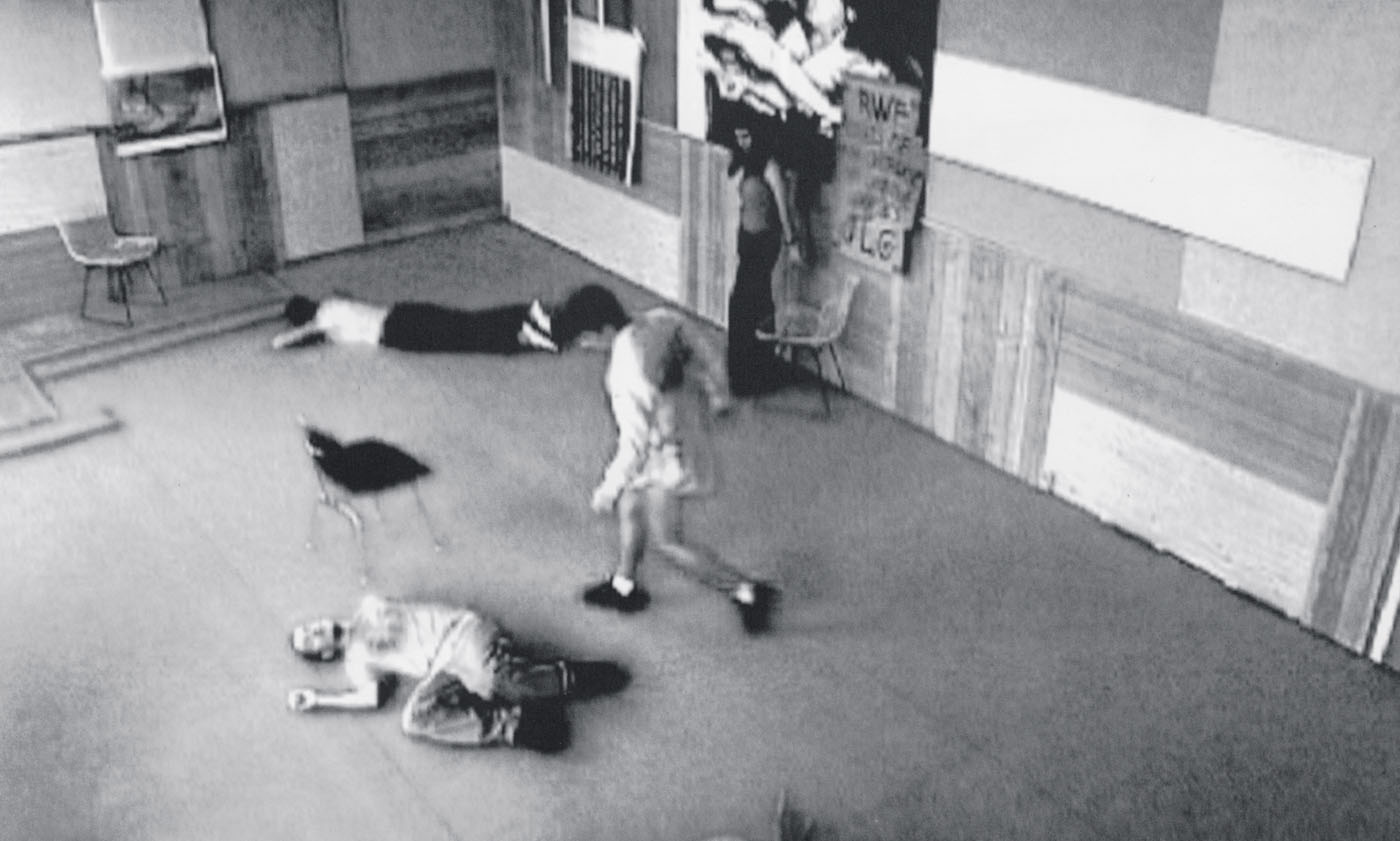
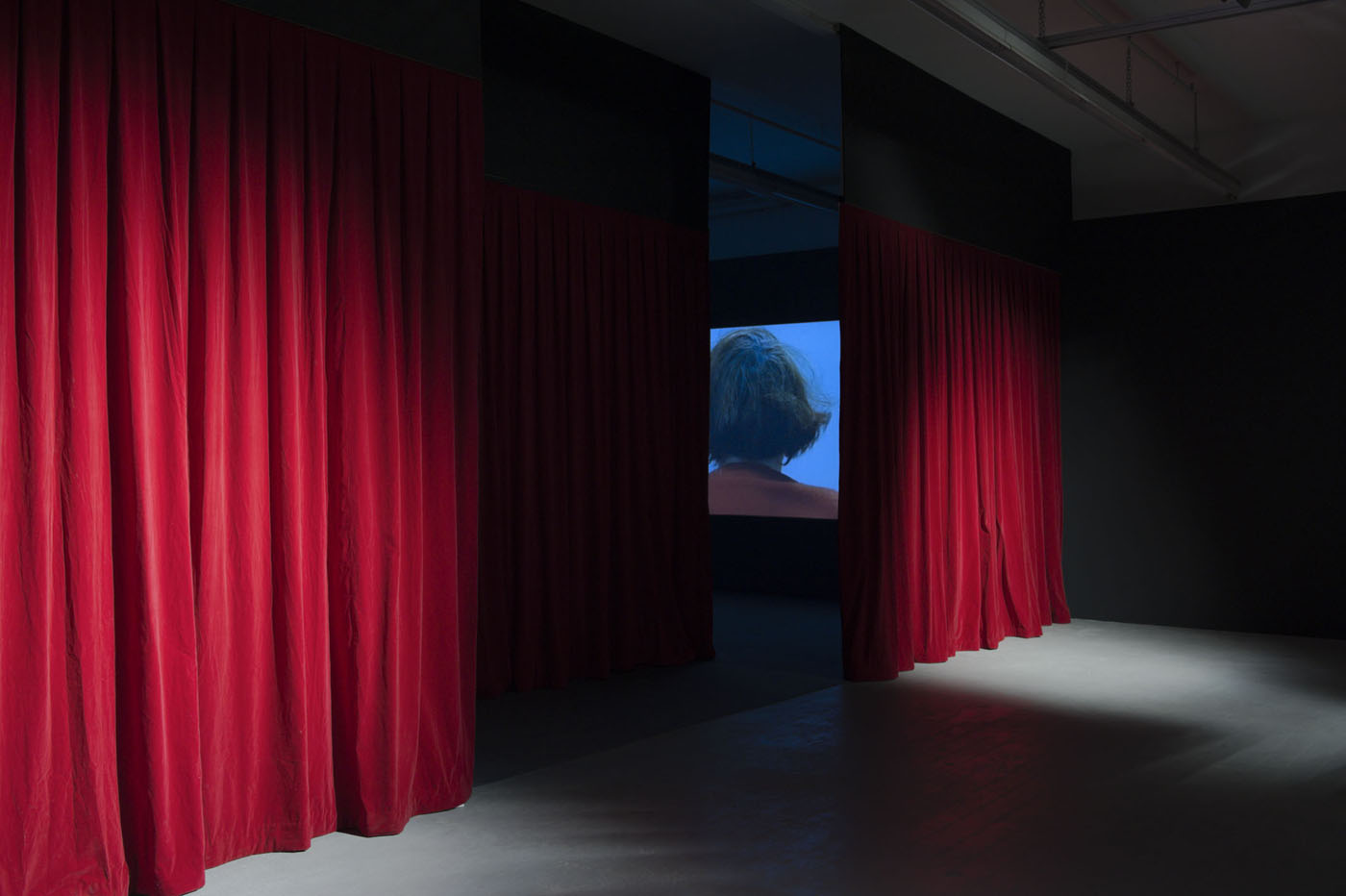
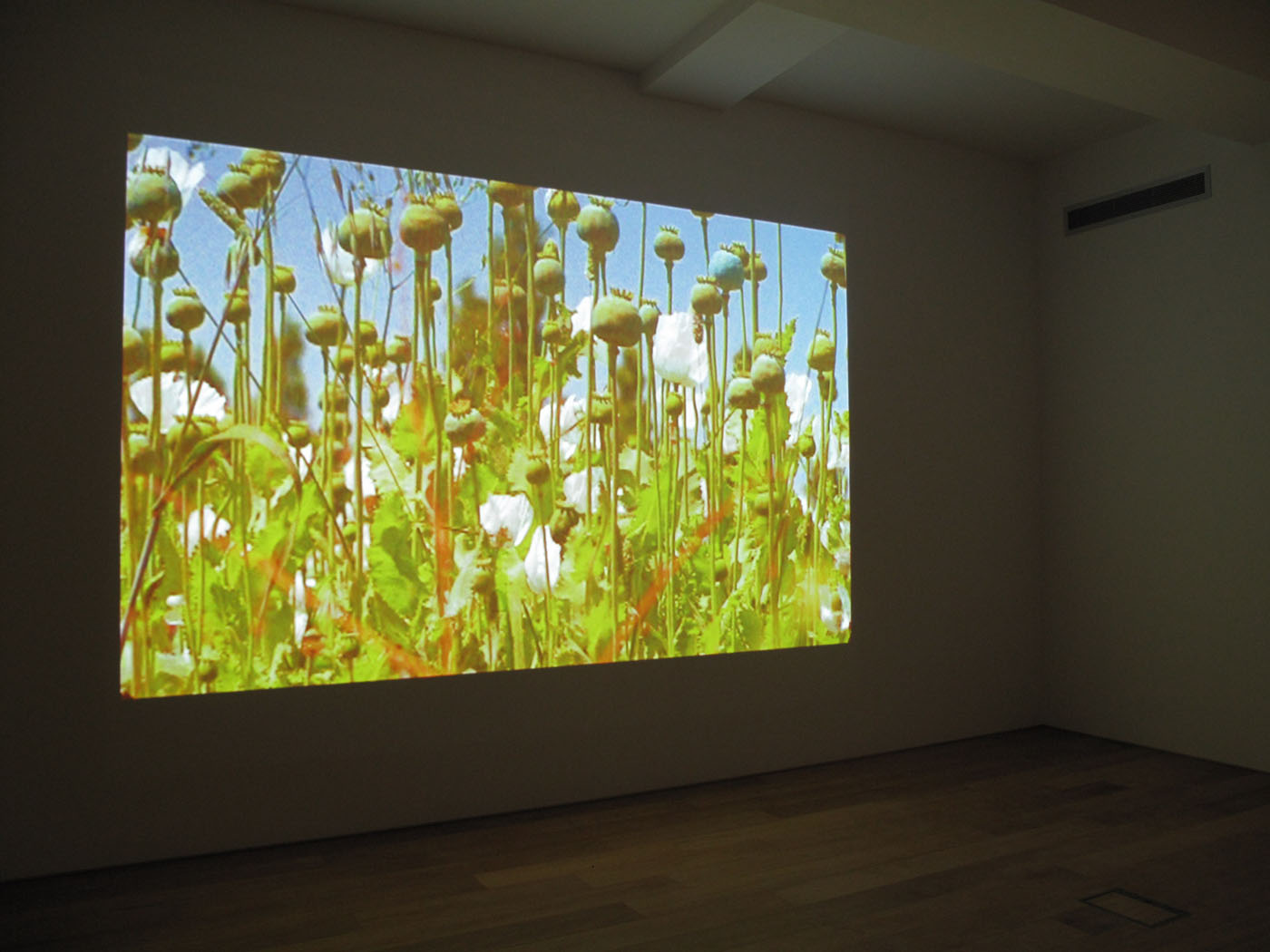
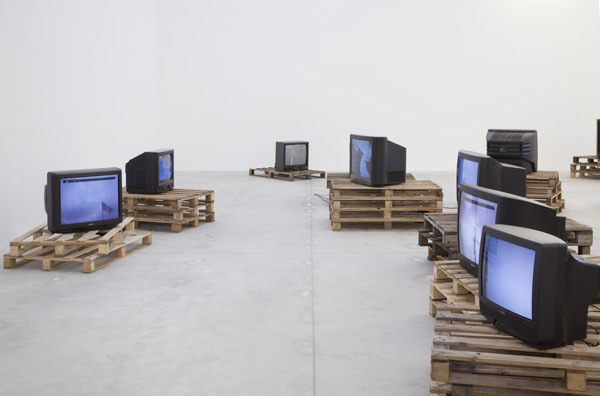
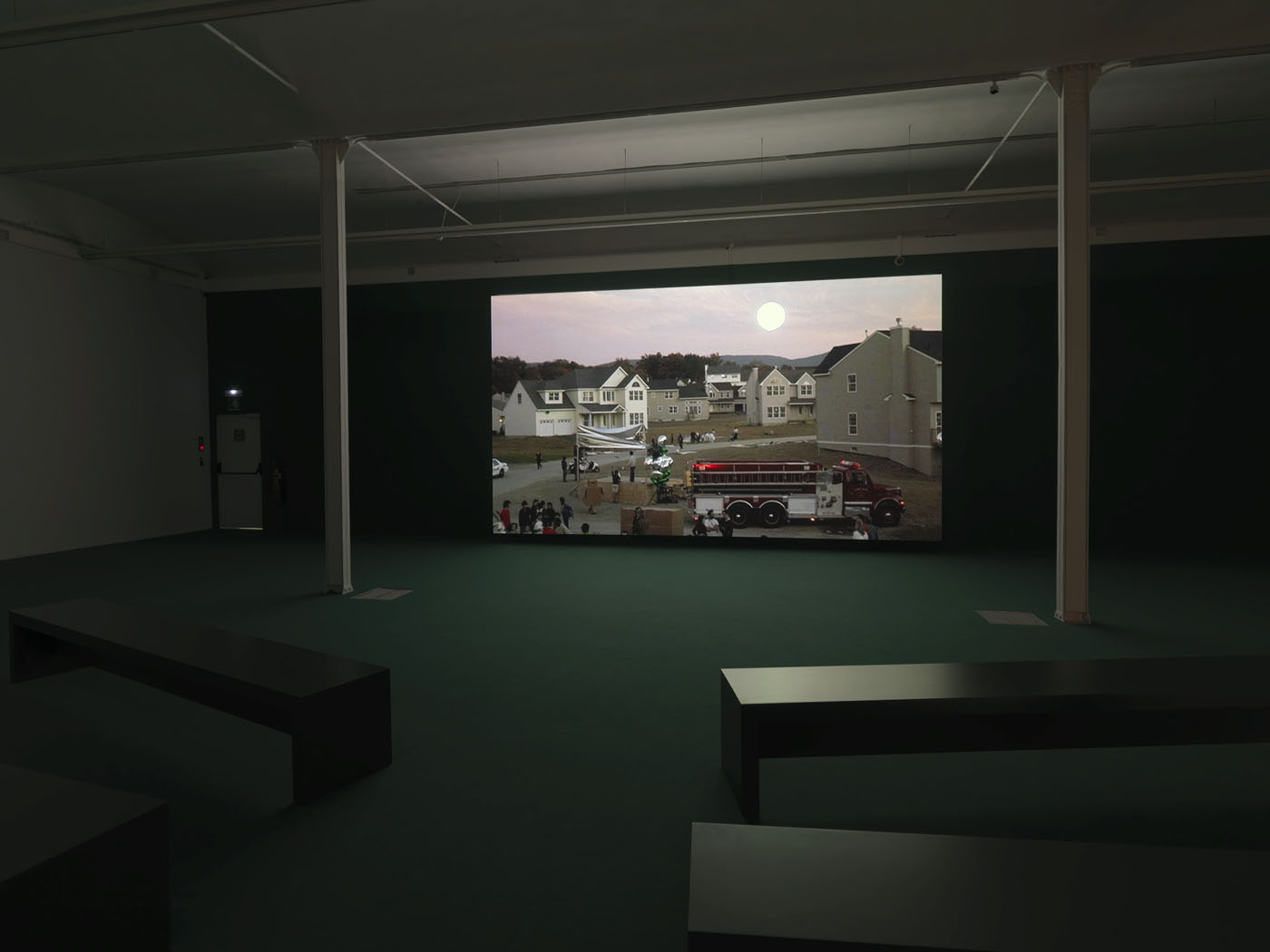
Eve Sussman creates narratives with no beginning and no end. Her digital tales are told by a computer program that constantly reedits her audiovisual sequences to create a potentially never-ending film, thanks to an algorithm that combines over 3,000 video clips, 80 voiceovers and 150 pieces of music without every repeating itself. Spectators never see the same film twice. A monitor alongside the screen shows Sussman’s live editing process as the algorithm combines tags for each video and audio clip to create new scenes.
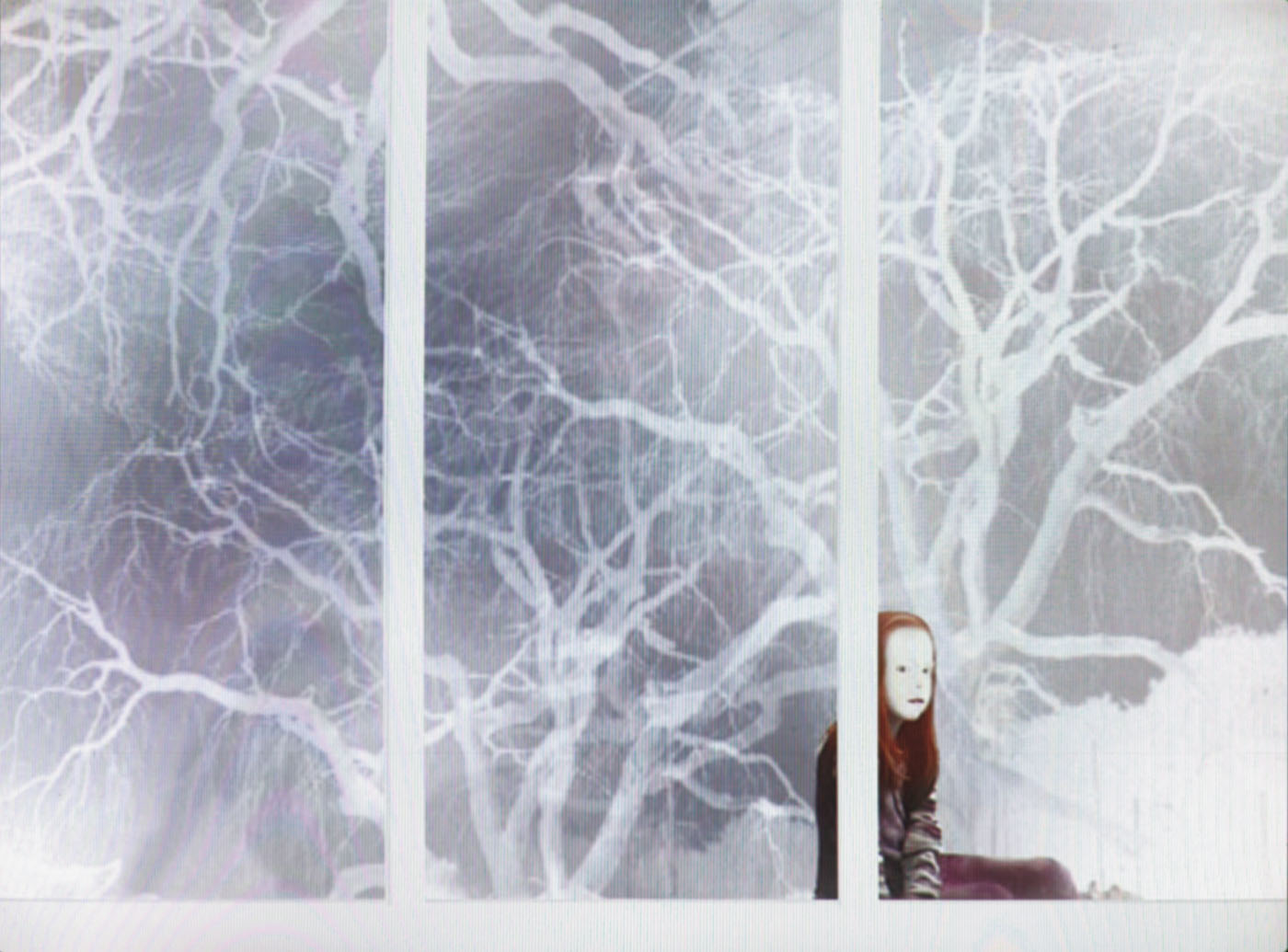
The result is pure seventies noir futurism in a post-apocalyptic industrial setting. The New Method Oil Well Cementing Company has City-A (a nod to Jean-Luc Godard’s Alphaville) under its thumb by spiking the water with lithium. The inhabitants gradually lose their grip on language and the notion of time. The main character, an American geophysicist named Holz, feels trapped the moment he arrives and tries desperately to escape the Company’s time control. The film’s manipulated space and time can also be disorientating for spectators trying to follow the plot.
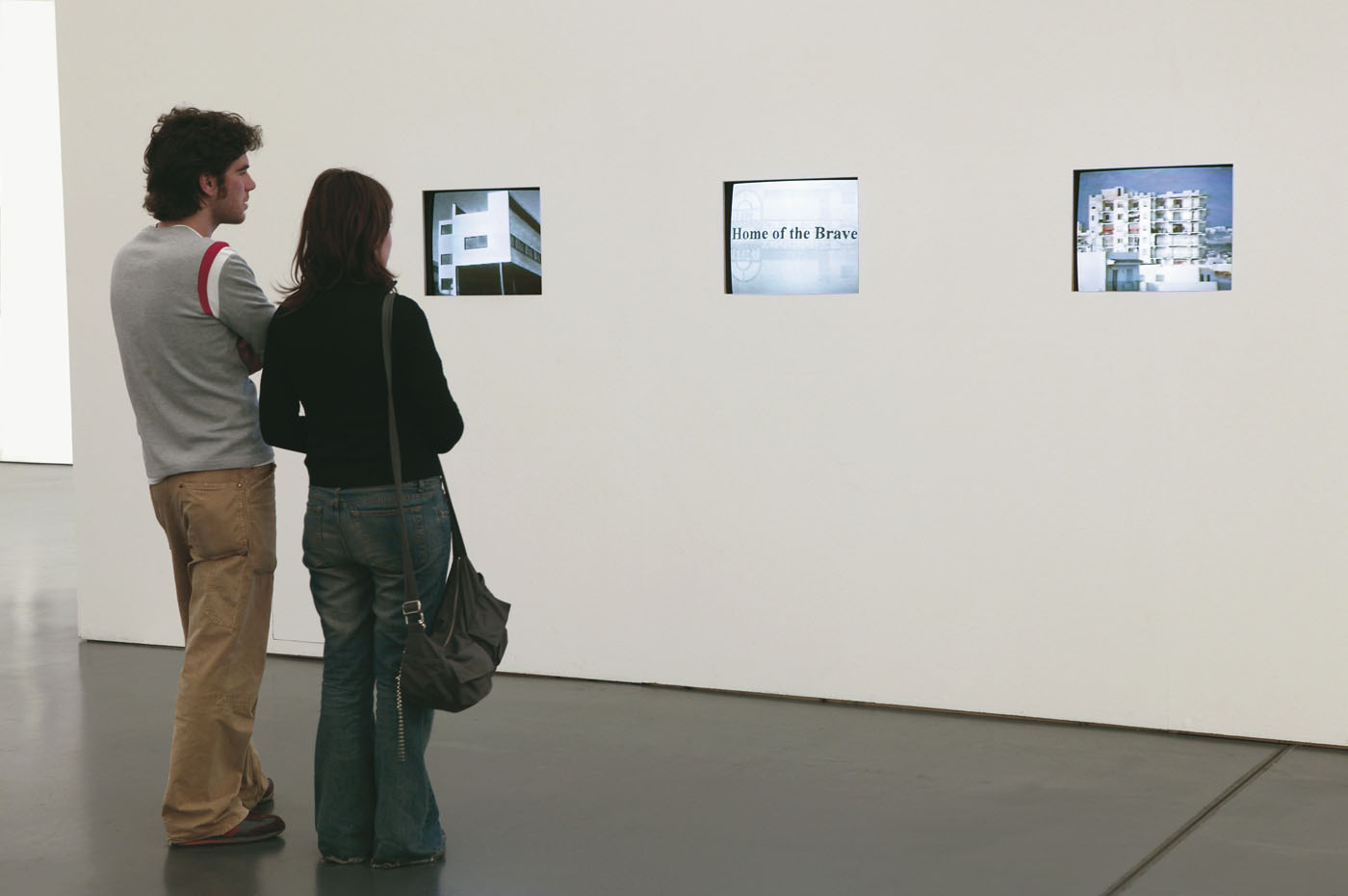
While the algorithm certainly has noir roots, the film itself was inspired by Kazimir Malevich’s White on White and his concept of utopia. Sussman suggests that if we want proof of how untenable utopia is today, we need look no further than Central Asian cities―the backdrop for several of her films―where modernist Soviet ideas collide with the neoliberal capitalist architecture that has been embraced by newly oil-rich metropolises. This was where she chose to set her idea of a dystopian future.