

Turbulence
08/09/2017 - 03/12/2017
Galeria do Torreão Nascente da Cordoaria Nacional, Lisboa
By assembling work by a wide range of artists from different fields, the ”la Caixa” Collection of Contemporary Art has fashioned a narrative that captures the abundance of poetic voices in contemporary art and offers a fresh look at the world around us. Over the last decade, this narrative has been enriched by the acquisition of committed works of art that question today’s society across space and time and explore its dark corners and sunny uplands.
This exhibition brings together a selection of these works as part of the Past and Present programme marking Lisbon’s year as Ibero-American Capital of Culture. It presents an array of creative approaches, strategies and narratives from a world that can no longer be viewed through a single lens and where Europe is no longer the centre of attention. The show therefore includes a good number of pieces by Latin American artists, who have helped hone the collection’s social critique. These works stress the importance of creators’ political awareness, forged in the fiery debates sparked by myriad social conflicts. The exhibition also includes work by artists from other geopolitical realities whose influence can be felt in the collection’s political flavour. The transnational links created by globalisation have played a key role in the composition of the collection, adding not only artwork from other latitudes, but also sociological reflections on the problems caused by global capitalism. Globalisation seeks to do away with borders but has also sharpened social inequalities, increased racism and encouraged mass migrations by a growing number of dispossessed people looking for Western levels of welfare and consumption.
Amid this sense of unease, Turbulence, which takes its cue from Shirin Neshat’s Turbulent, seeks to shake things up and open our eyes to the contradictions and absurdities of our globalised world. The participating artists cast their critical gaze over a world that threatens to fall apart (Carlos Amorales), leaves immigrants to their fate (Adrian Paci) and turns a blind eye to the weakest members of society on city streets (José Antonio Hernández-Díez). Articulating their critiques in a panoply of different styles, some artists bring us face to face with gender inequalities in fundamentalist societies (Shirin Neshat) or populist abuses of power (Carlos Garaicoa), while others take an ironic swipe at the vulnerability of the current world economy (Damián Ortega) or frayed nationalist ideals (Paulo Nazareth). Art reminds us that many of the roots of humanity’s current malaise lie in age-old battles, overseas expansion (Bleda y Rosa) and other disasters of war. Here, artists recycle and rethink artistic images immortalised by history (Thomas Hirschhorn), question iconography and expose the visual side to violence (Walid Raad) and offer an original take on the idea of rebellion (José Damasceno). Some pieces cast a political ideology in an artistic guise (Asier Mendizabal); others reintroduce it by creating new stories for people violently robbed of their history (Apichatpong Weerasethakul). Despite the shadows cast by their works, the artists also strive to reveal the humanity hidden behind marginalised people (Juan Ugalde) or forgotten objects (Gabriel Orozco), as well as setting aside social prejudices to show human creativity in precarious conditions (Cao Guimarães) and launching actions to reclaim democratic values (Marta Minujín).
Despite the turbulent globalisation of recent decades, the world remains open to collective connections, intercultural dialogue and free expression. Art can forge ties and promote a greater awareness of our social surroundings by raising their visibility, even without coming up with any solutions to conflicts or pricking people’s conscience. Artists cast their critical gaze by conjuring up symbolic, imaginary and poetic worlds and asking us, as spectators, to imbue their work and thoughts with meaning.

Artworks in the exhibition
-
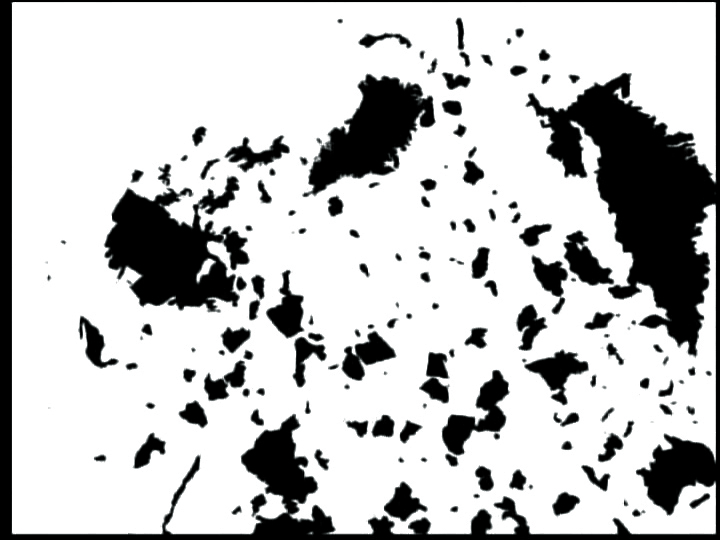
Useless Wonder / 2006
-
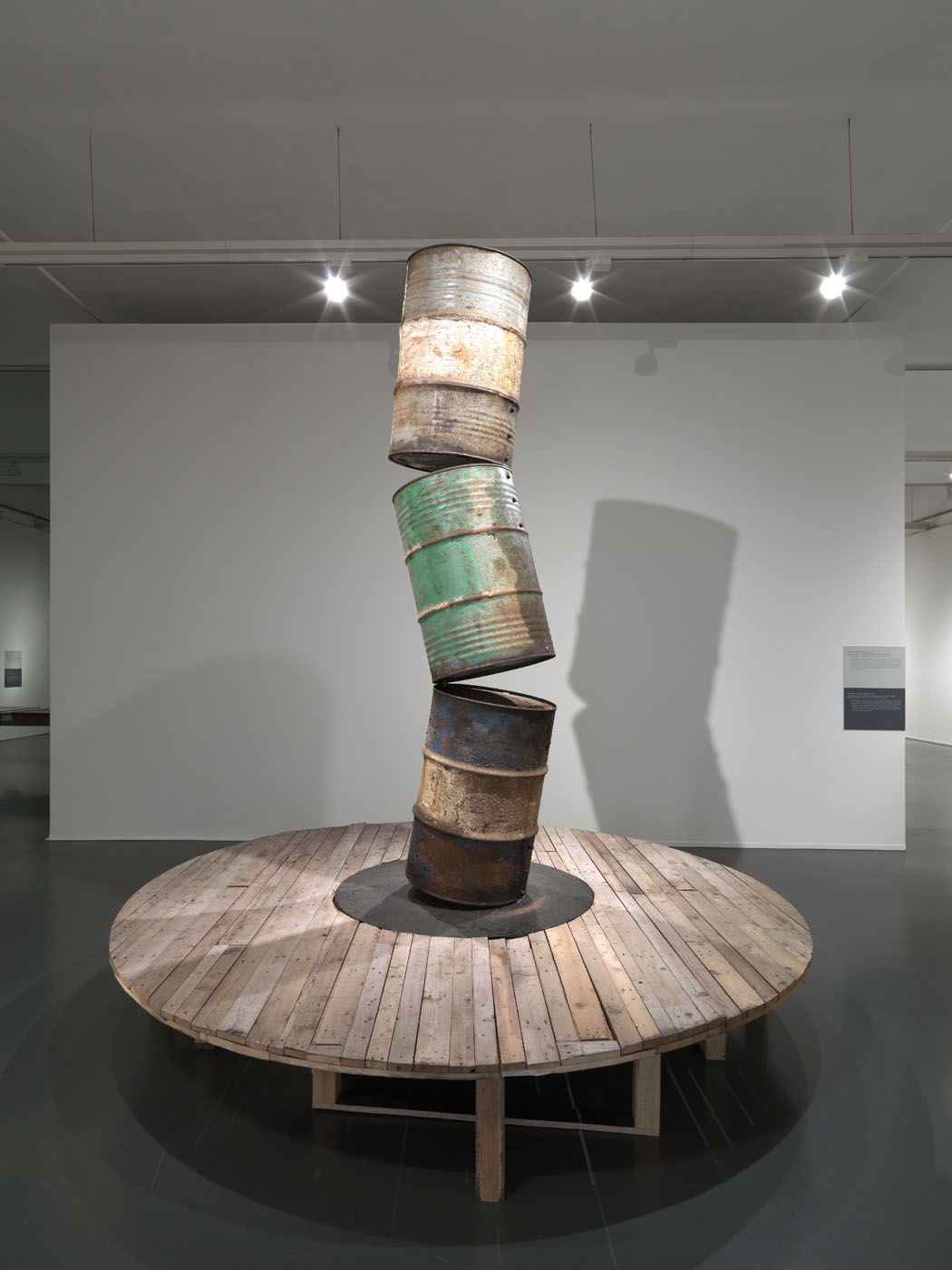
False Movement (Stability and Economic Growth) / 1999-2003
-
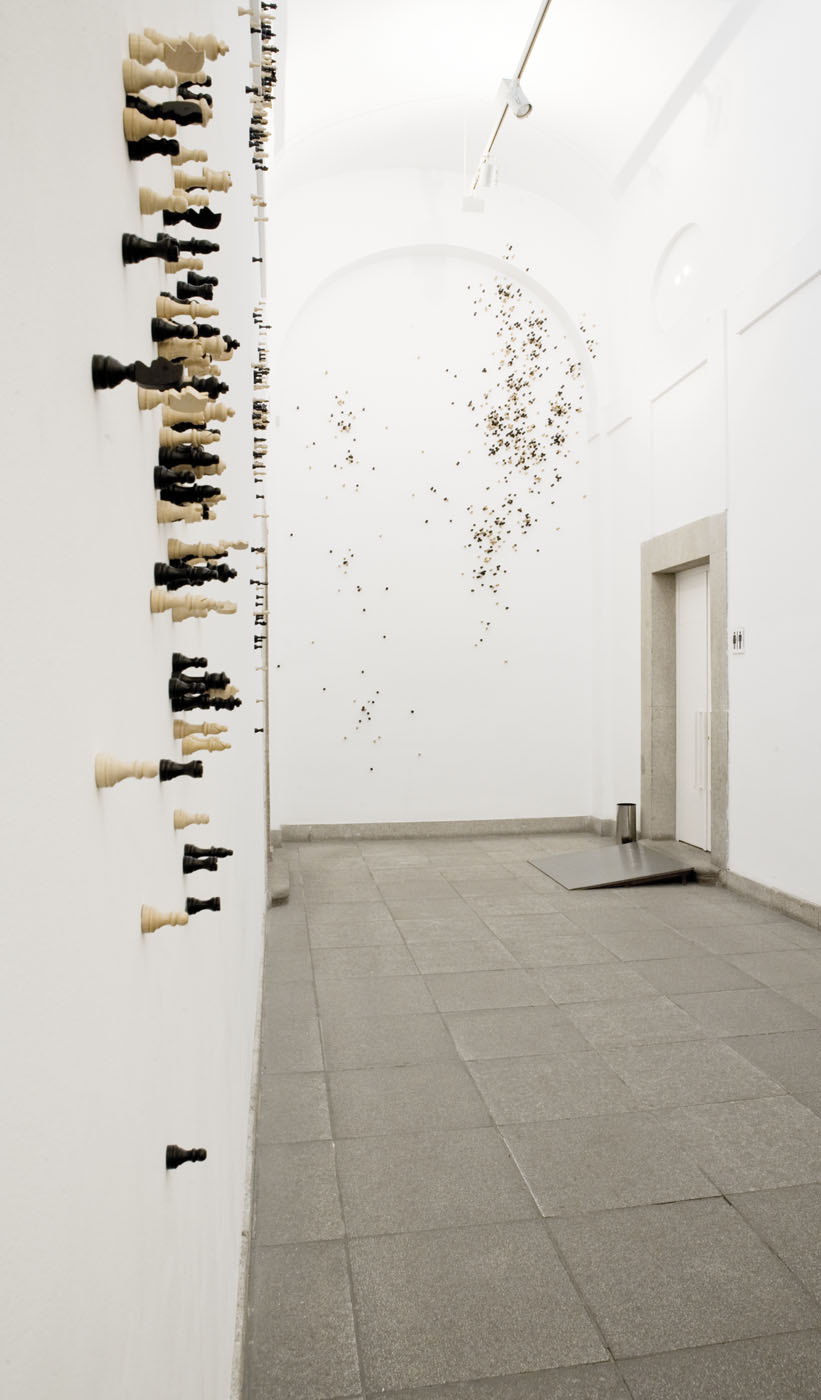
The First Mutiny / 1998-2008
-
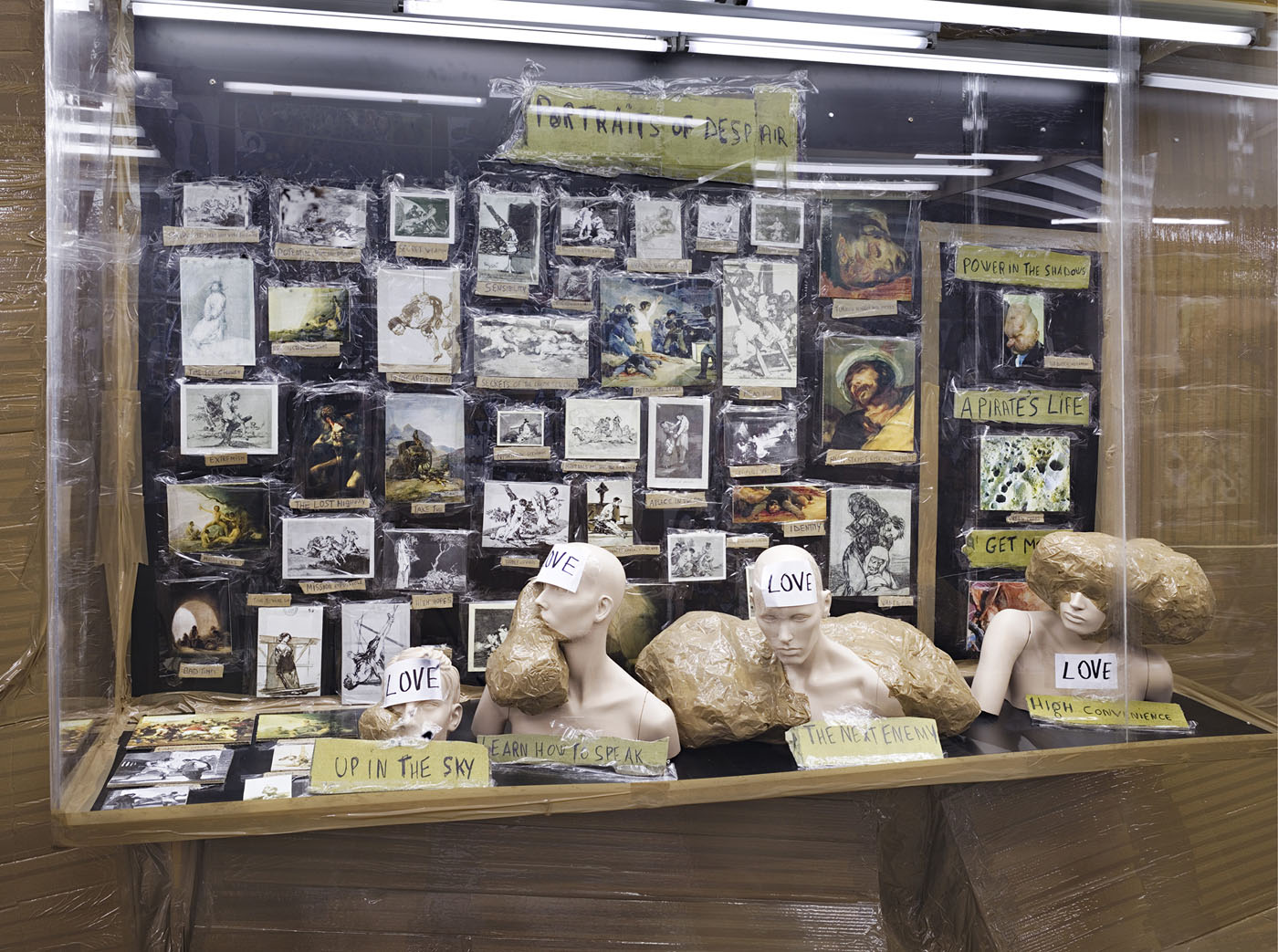
Wall Showcase (Goya) / 2008
-
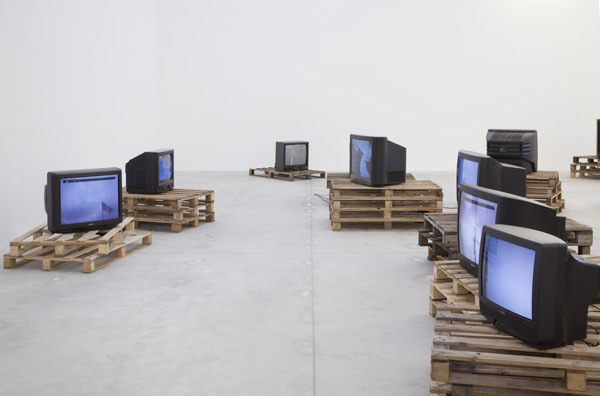
Broken Flags / 2014
-
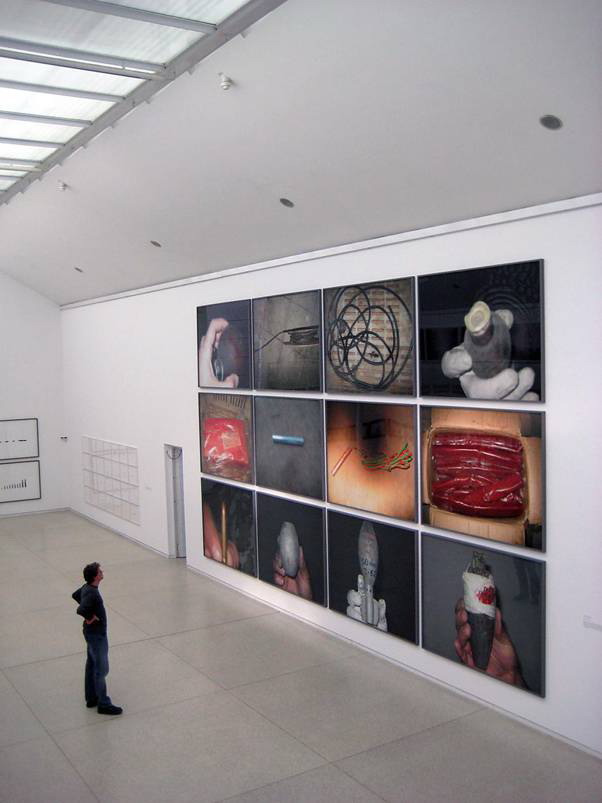
I might die before I get a rifle / 1989-2008
-
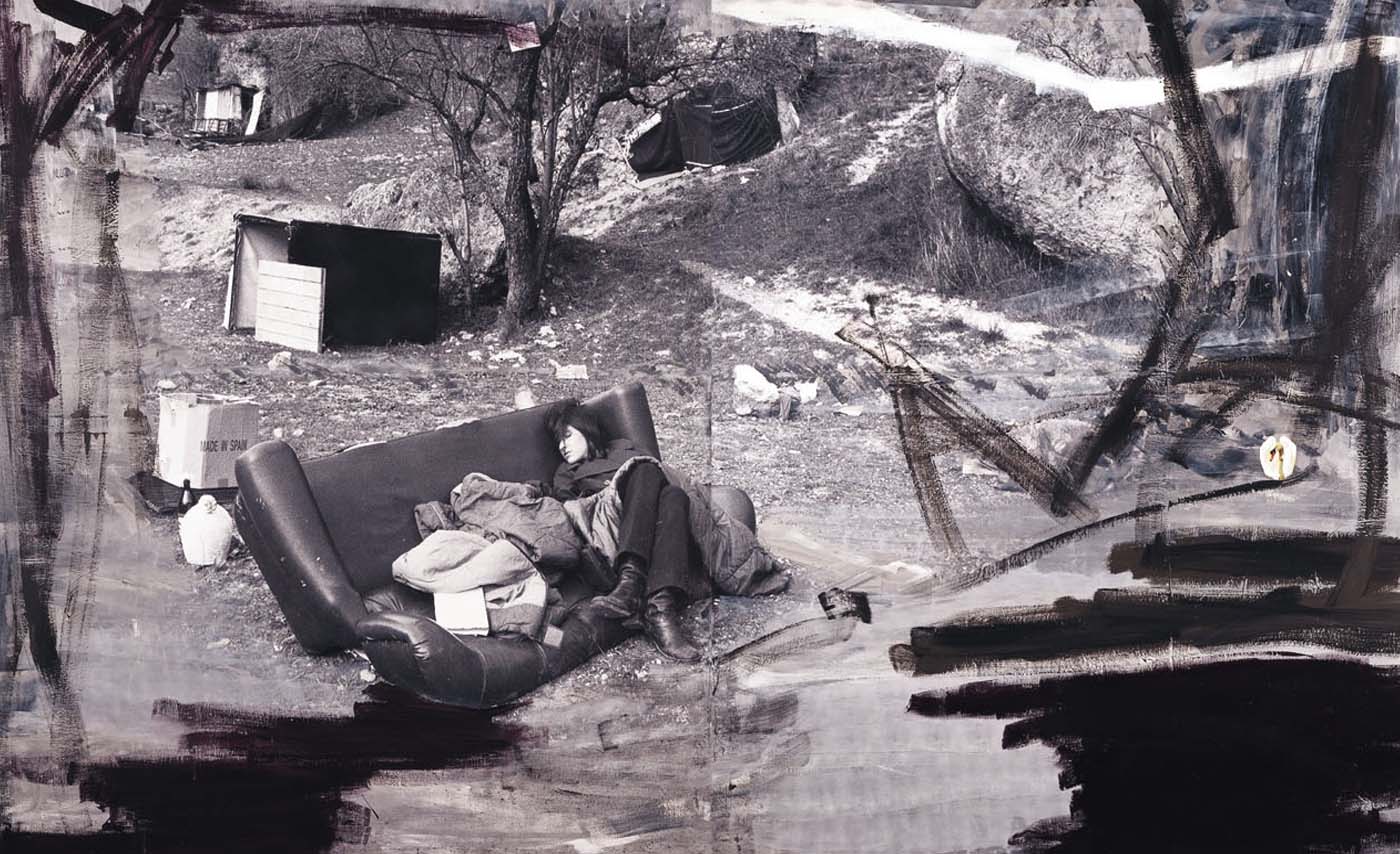
Eva / 2000
-
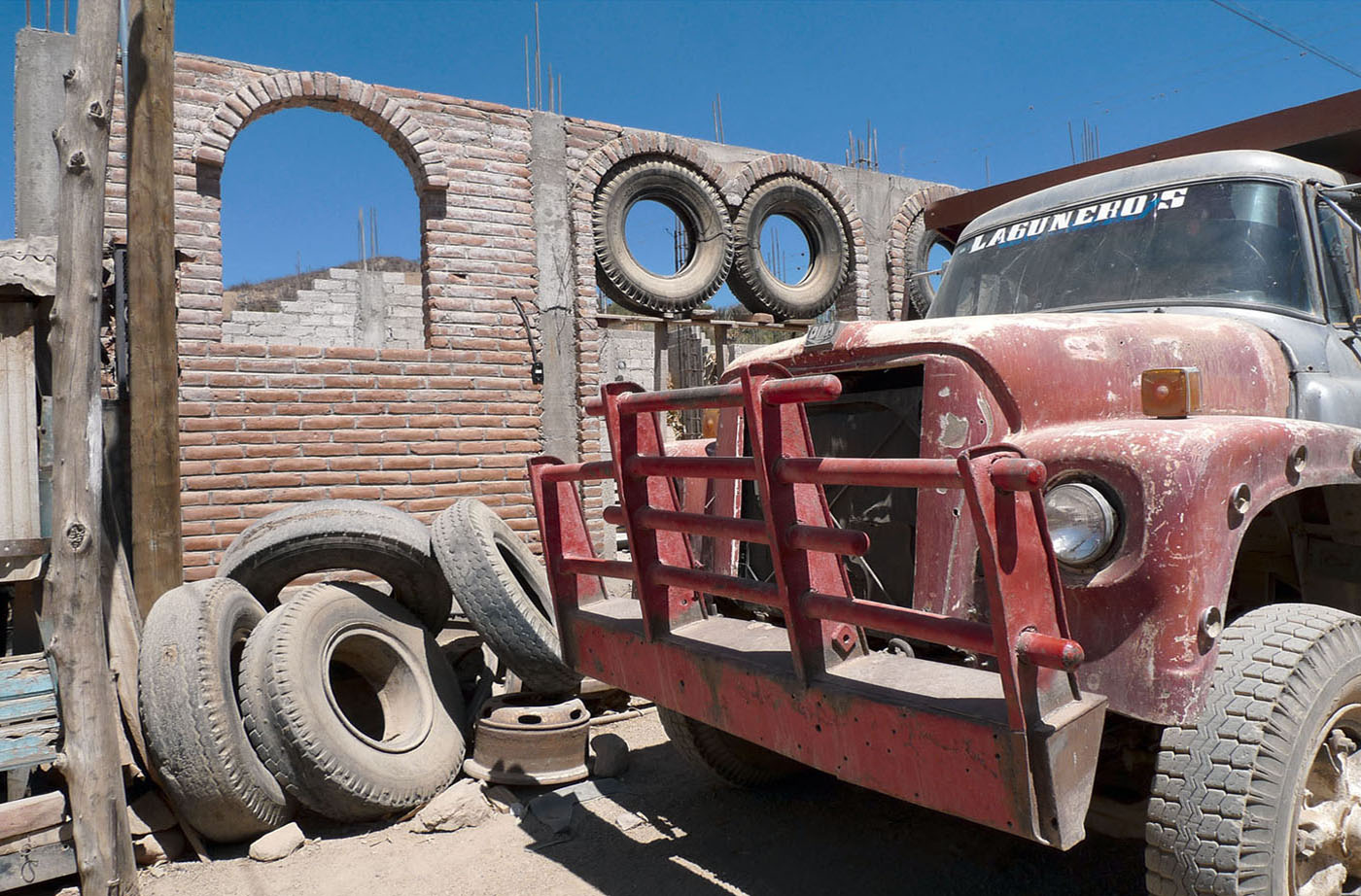
Arches of Wheel Rims / 2009
-
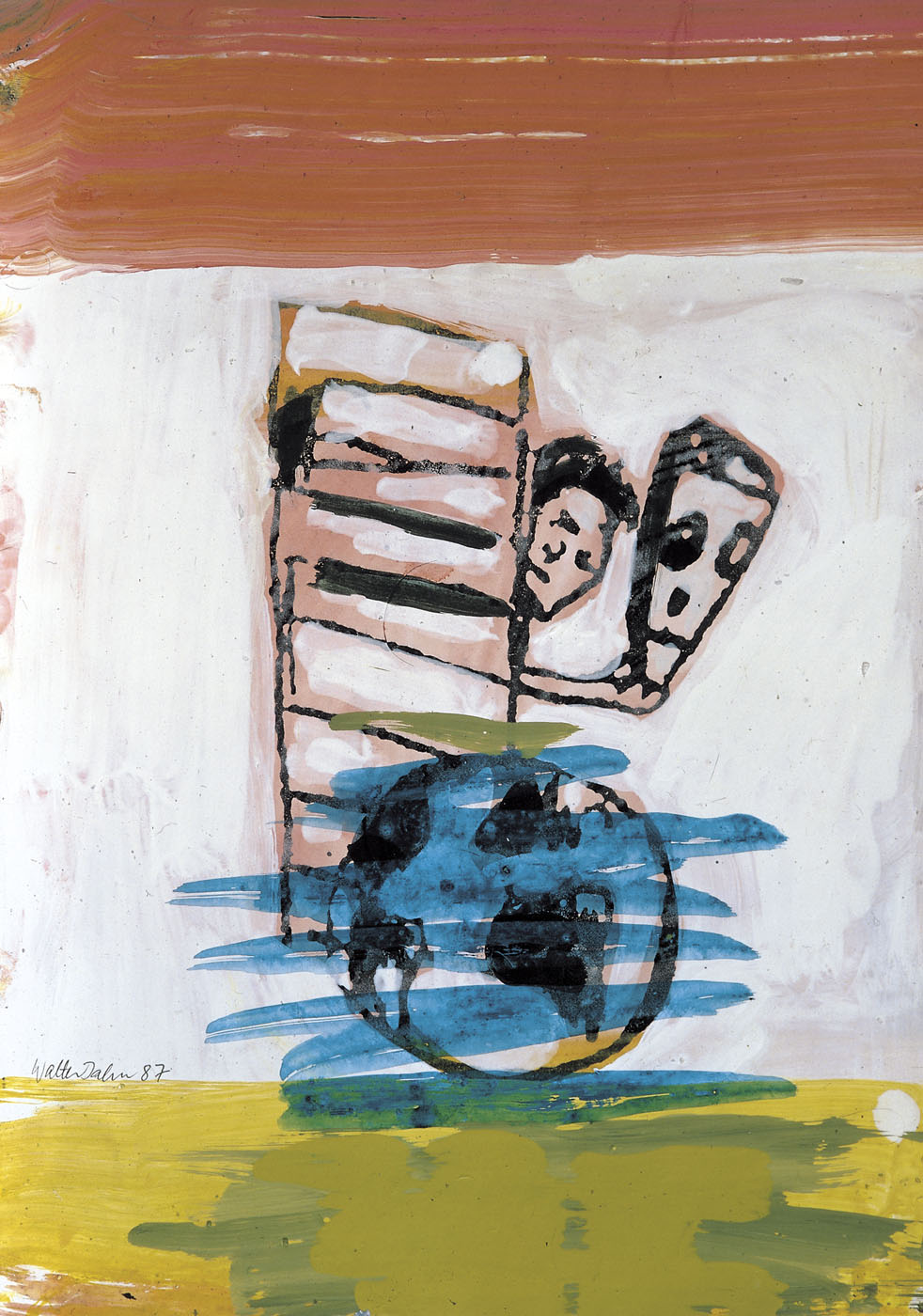
Preliminary sketch for "Jerk of the Month" / 1987
-
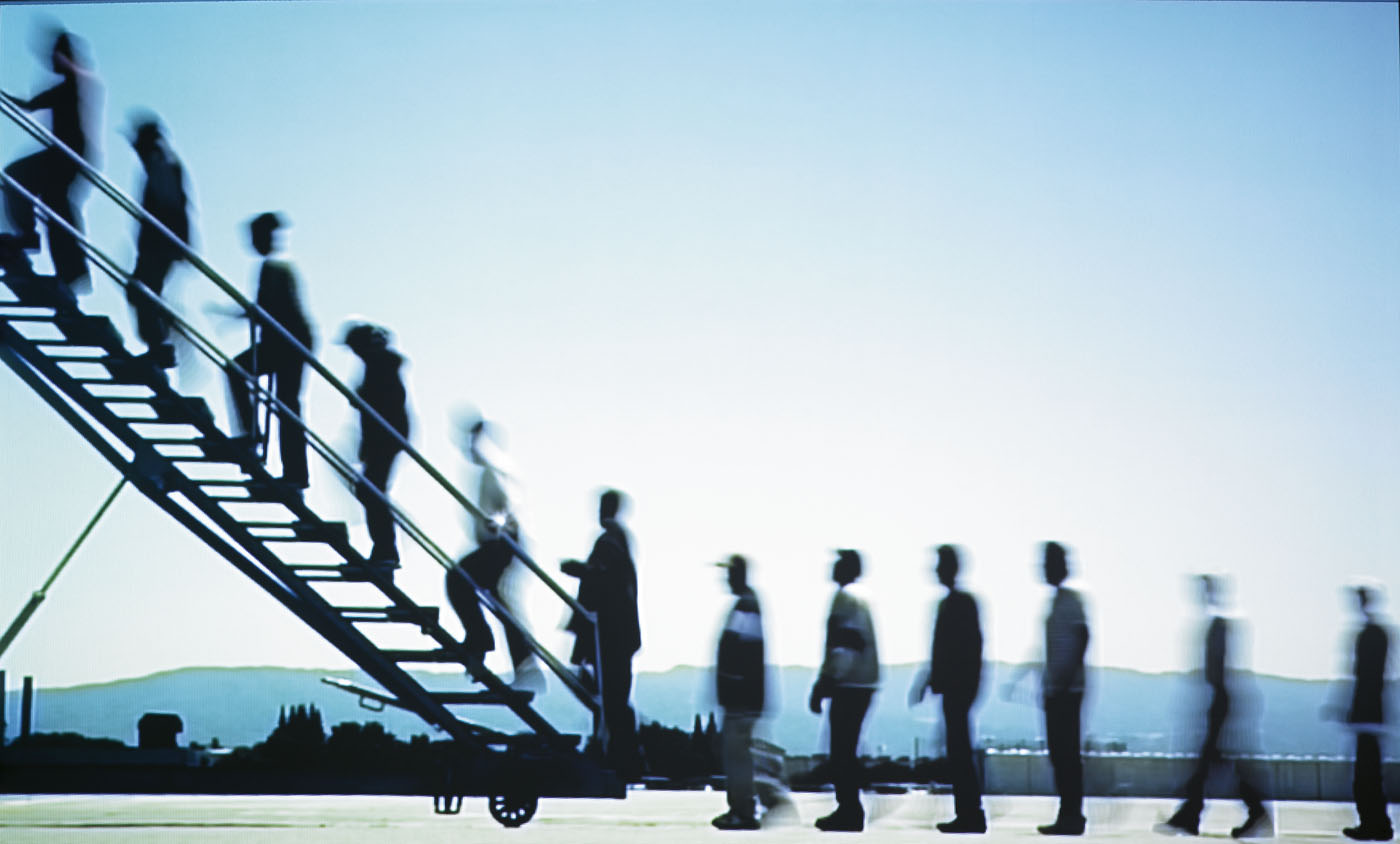
Temporary Permanence Center / 2007
-
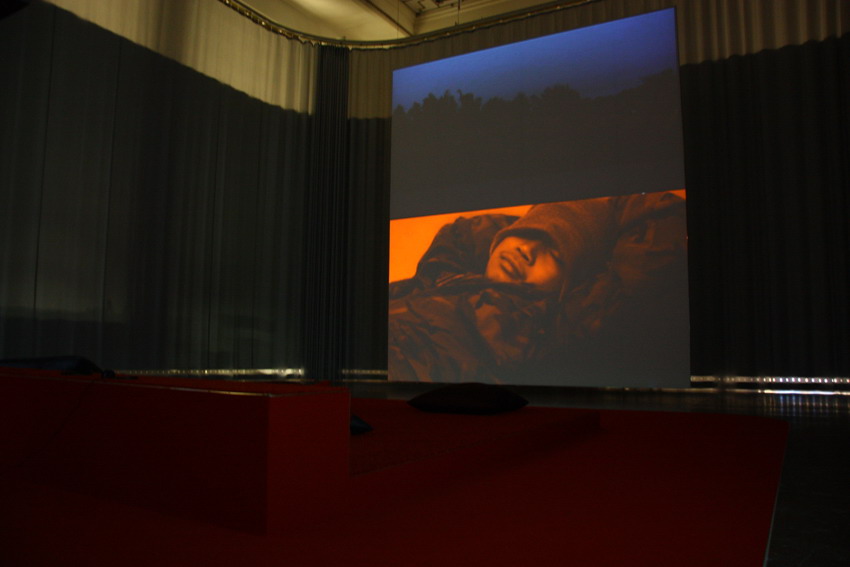
Primitive / 2006
-
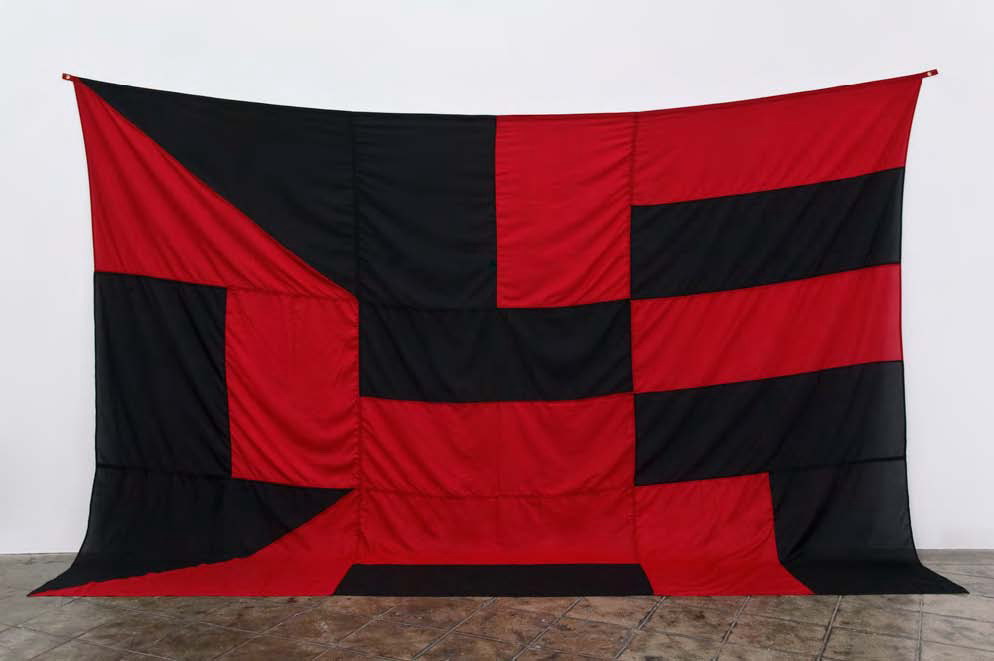
Not all that moves is red (Telón) #1 / 2012
-
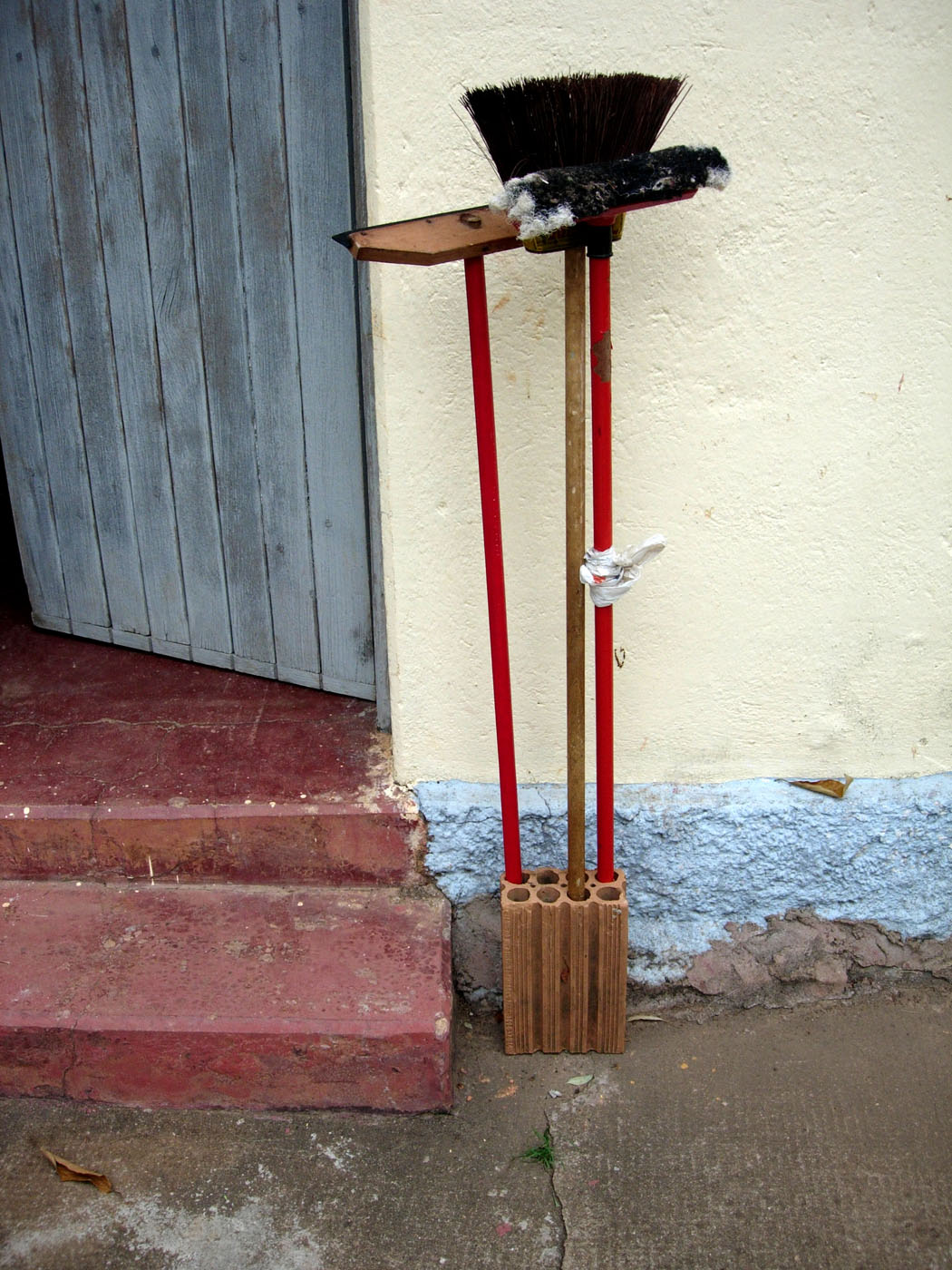
Improvisations 17 / 2005
-
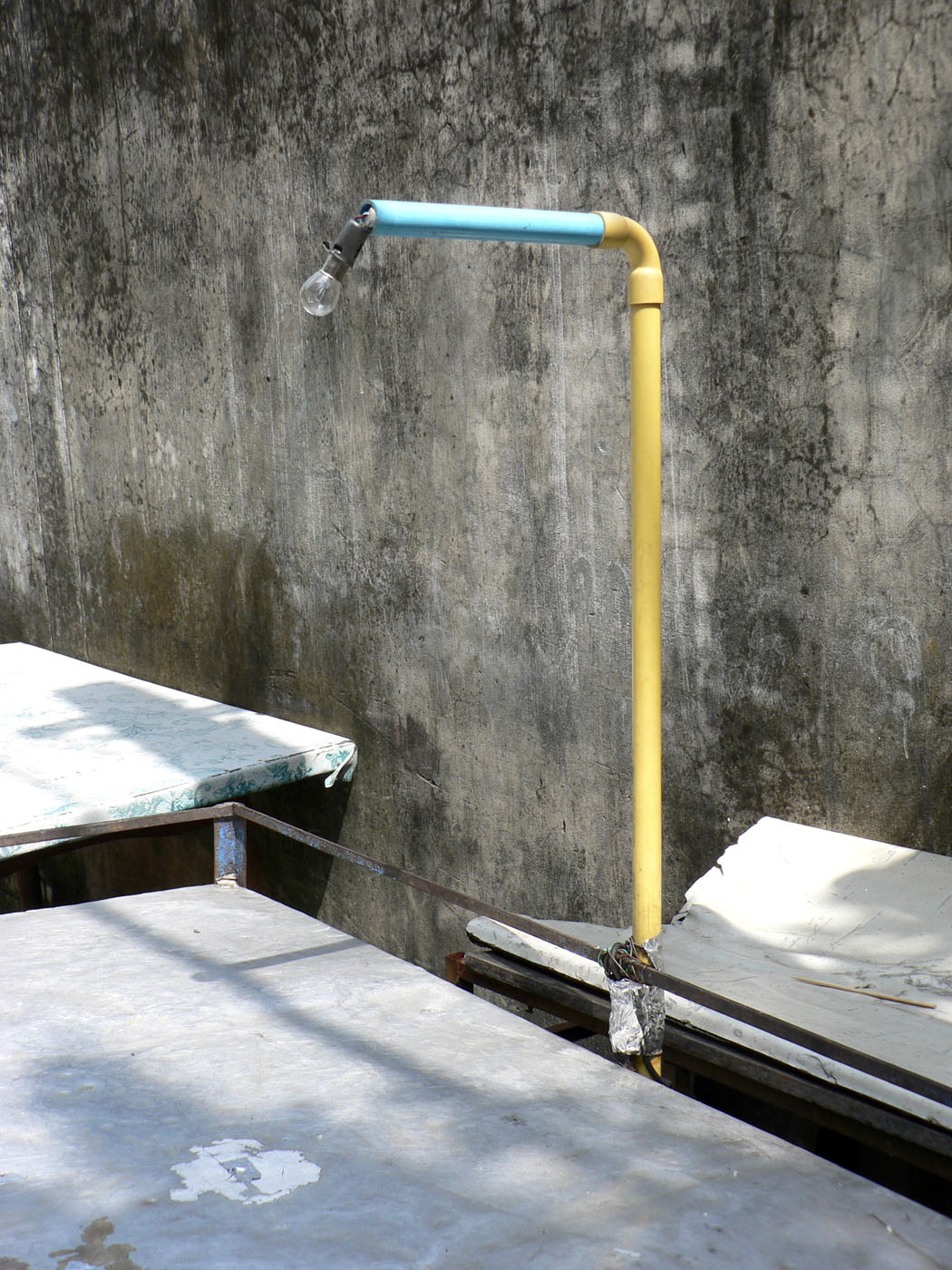
Improvisations 28 / 2005
-
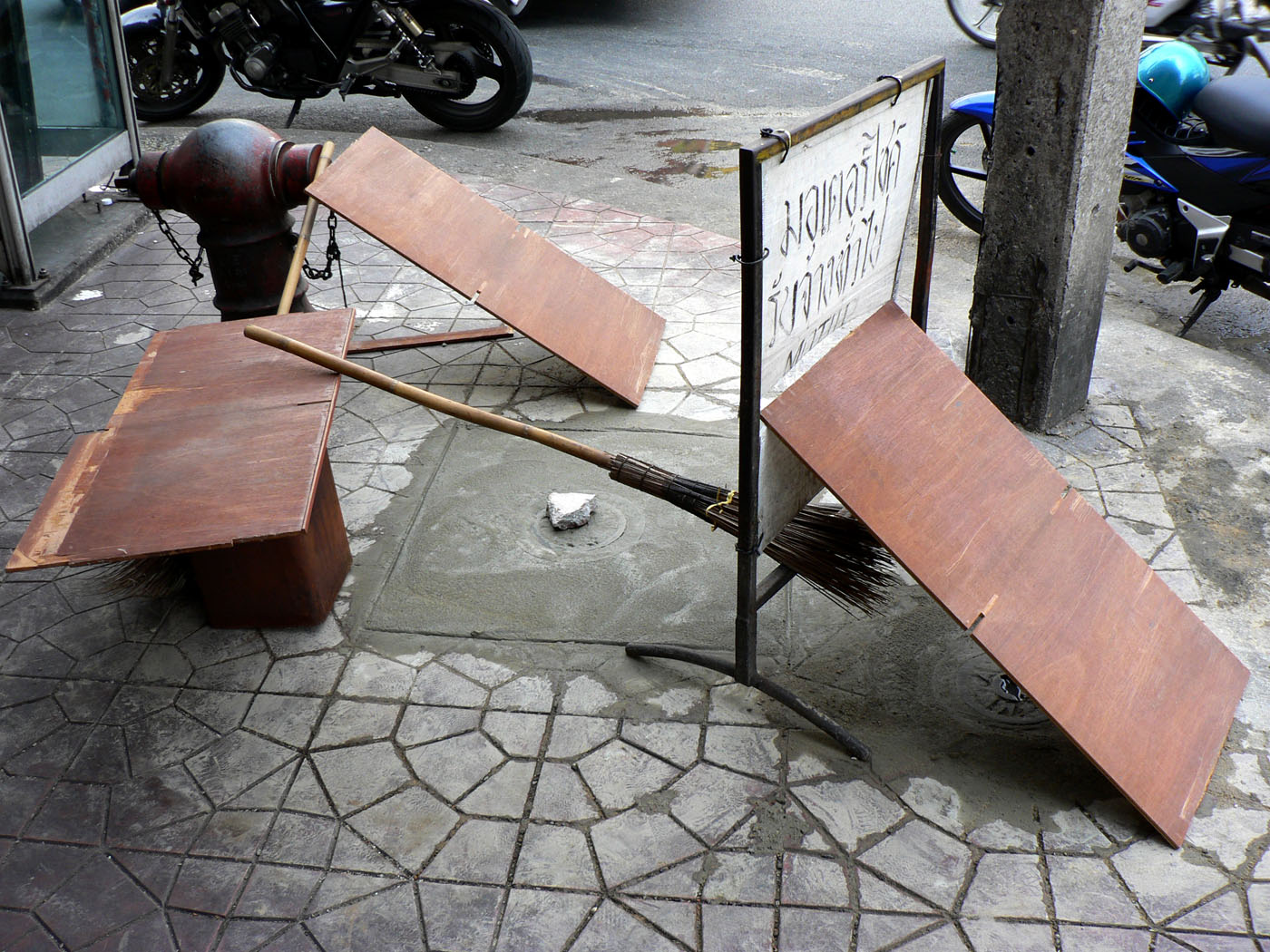
Improvisations 29 / 2005
-
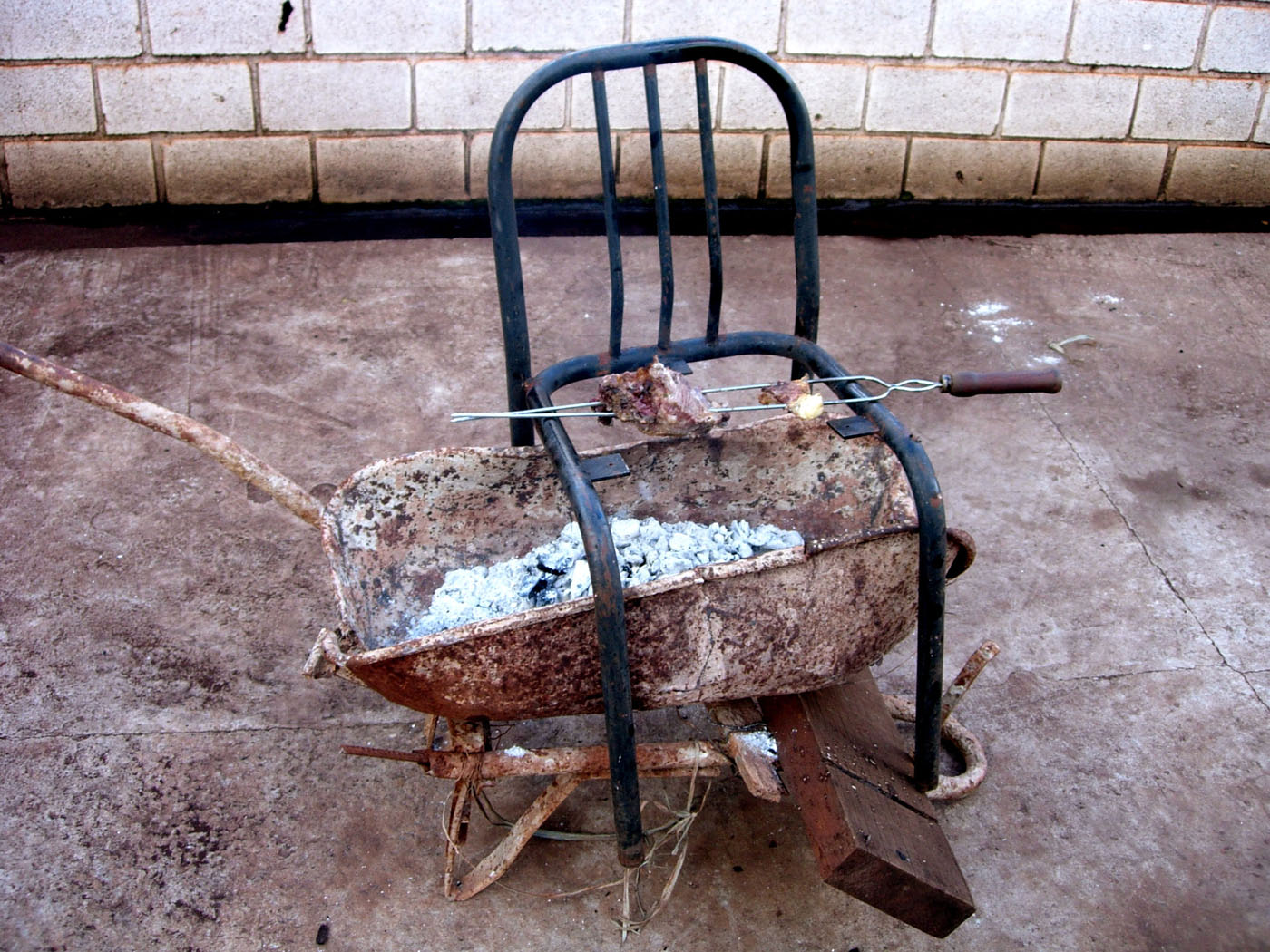
Improvisations 03 / 2005
-
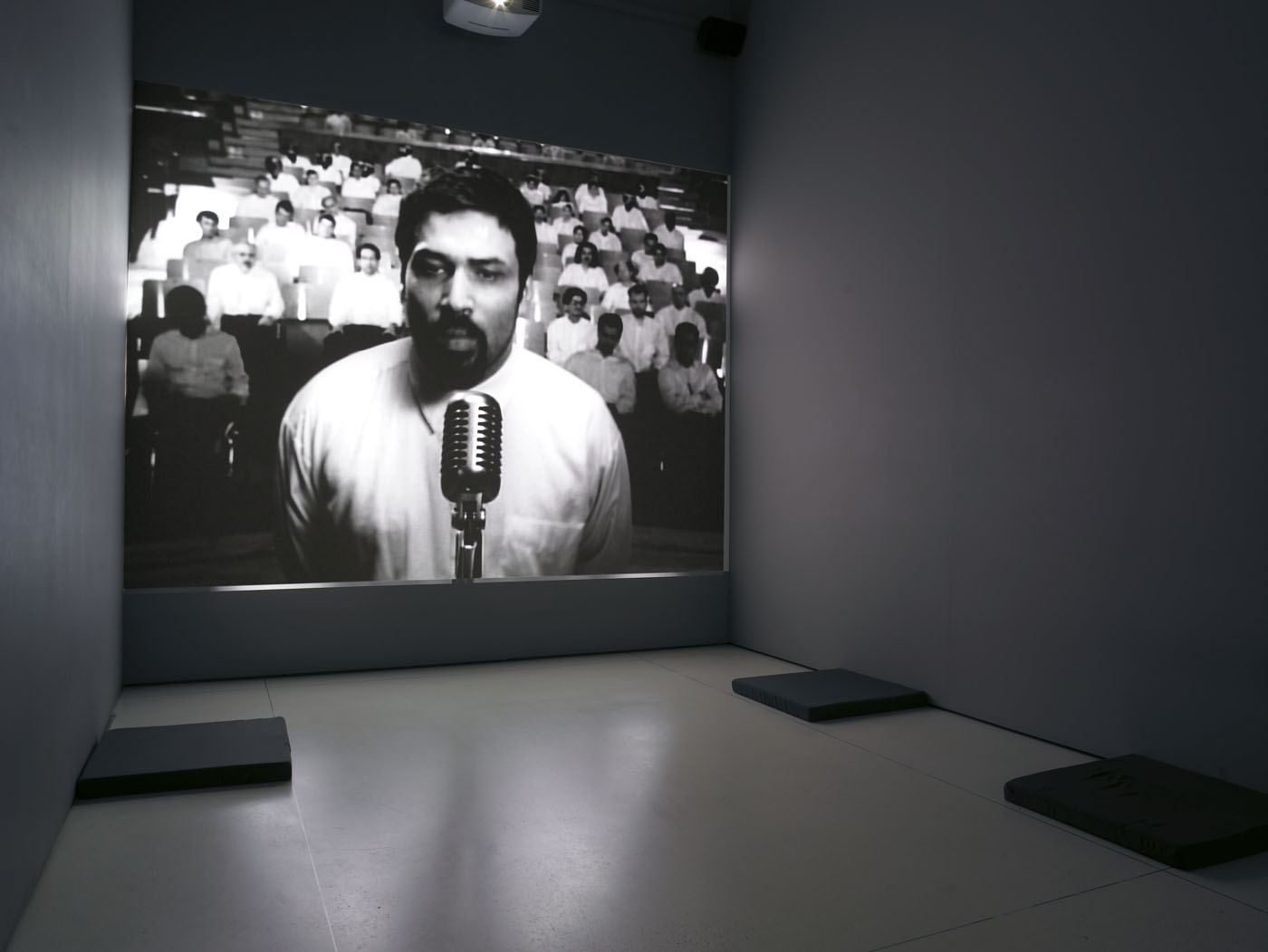
Turbulent / 1998
-
Rather Big Ugly Birds / 2004
-
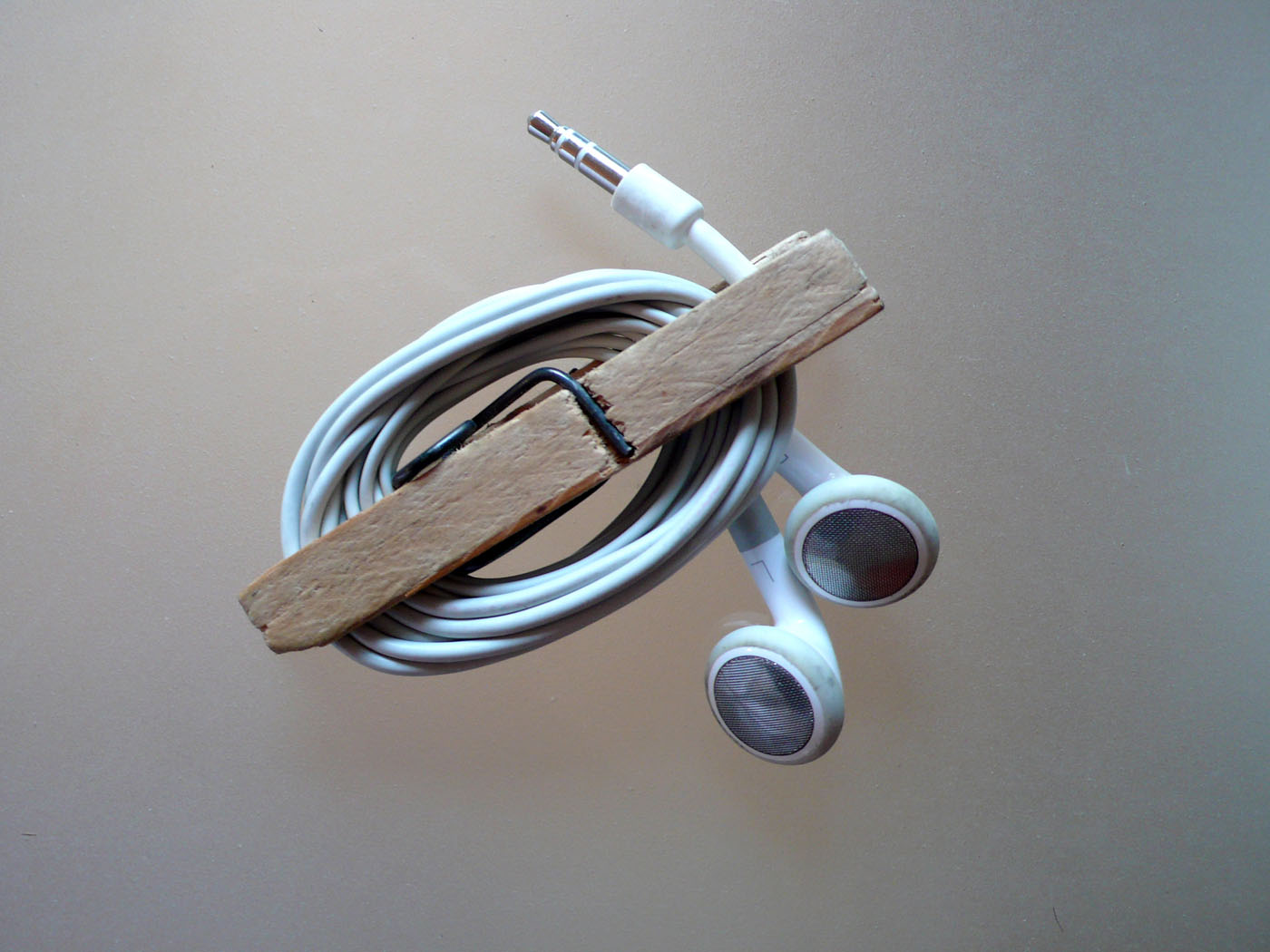
Improvisations 59 / 2007
-
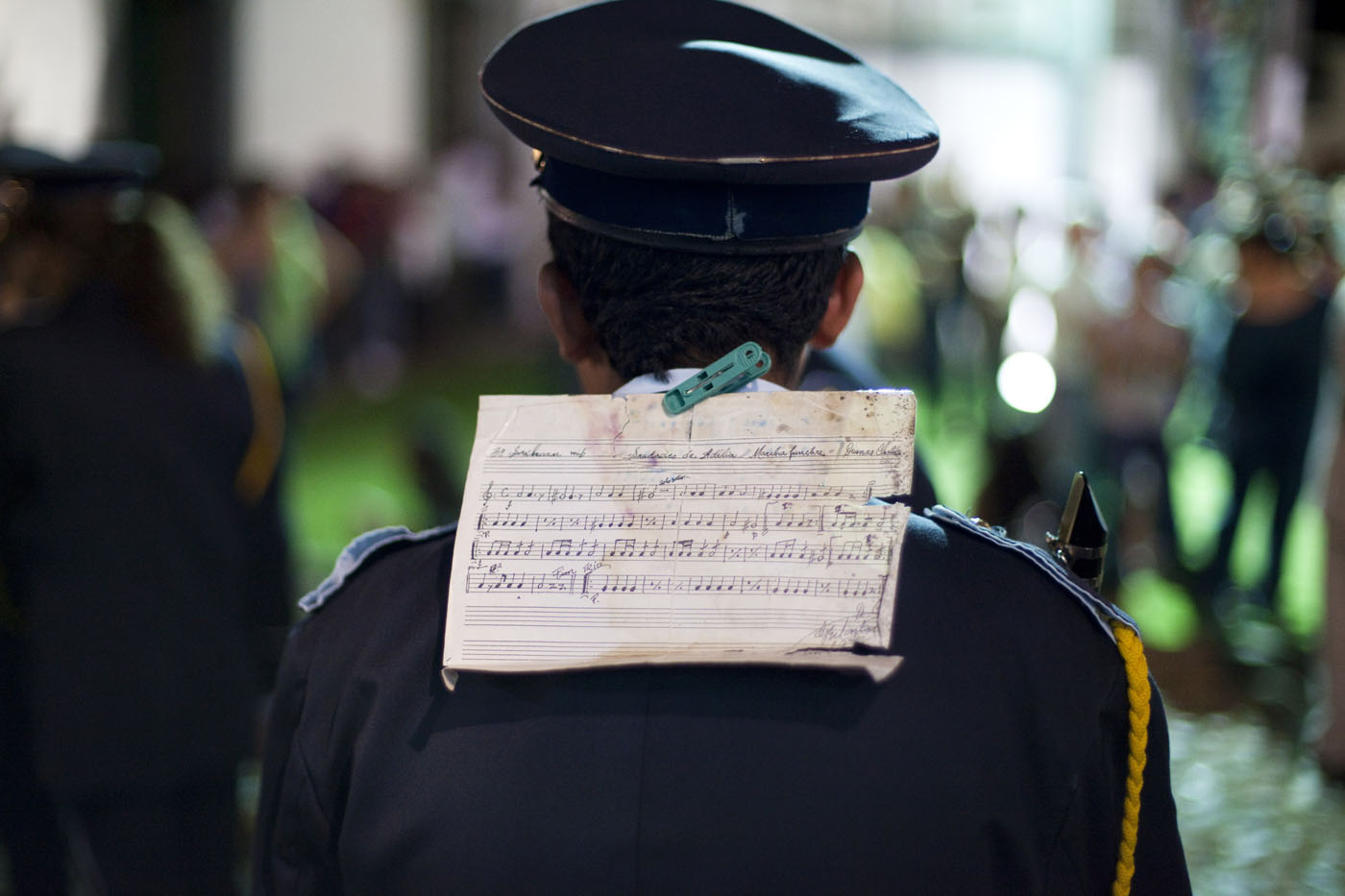
Improvisations 103 / 2010
-
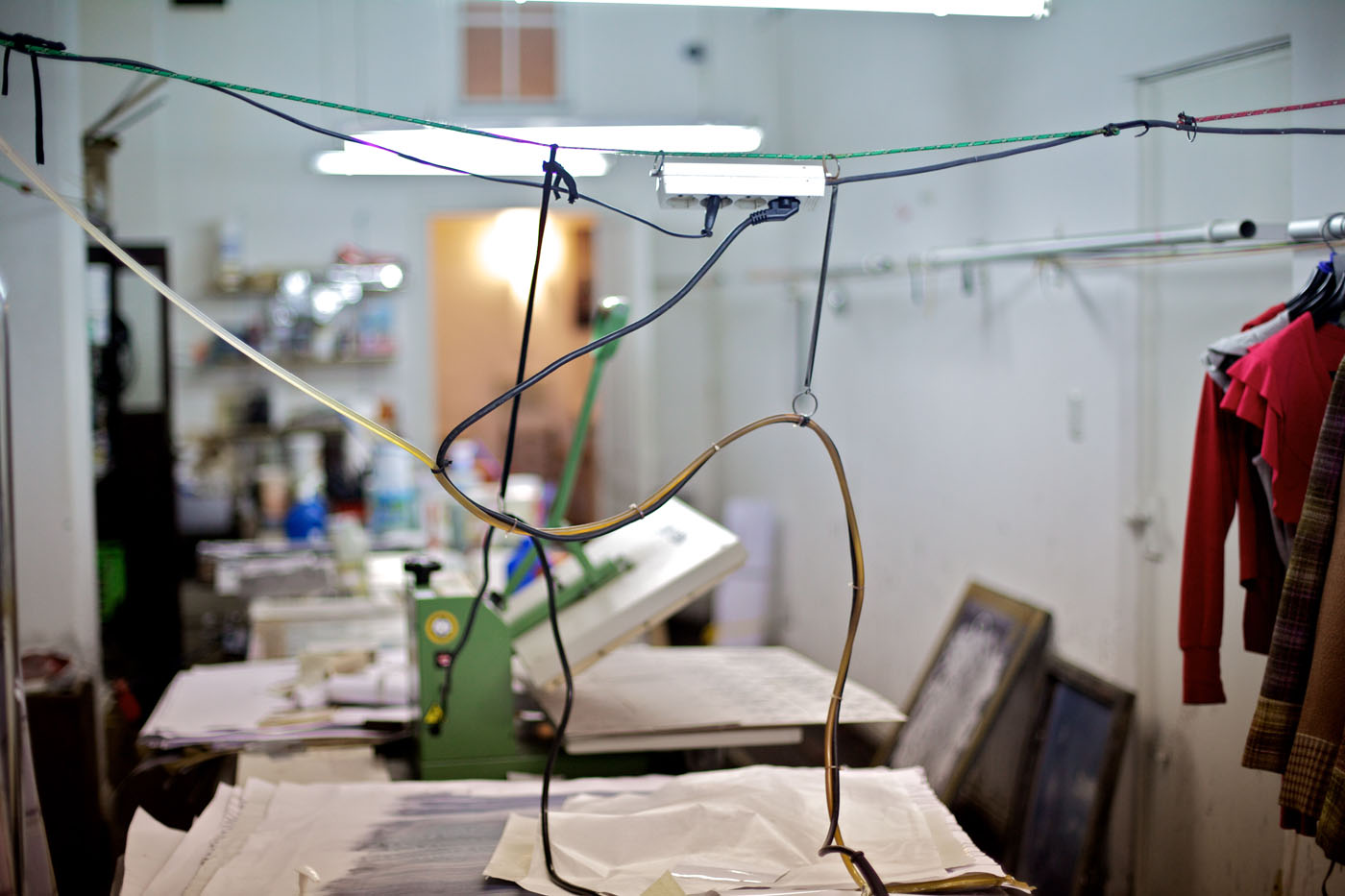
Improvisations 105 / 2010
-
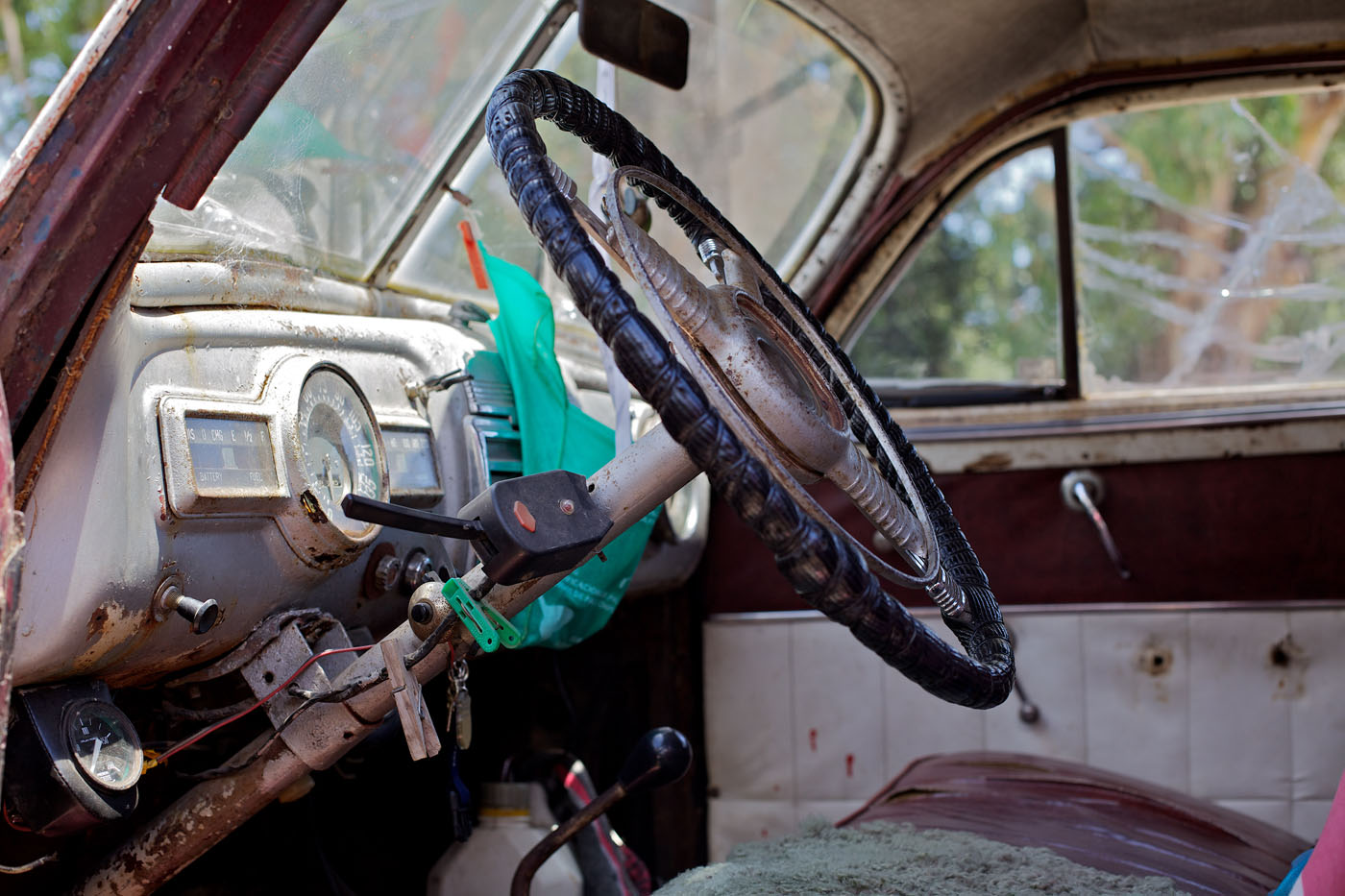
Improvisations 106 / 2010
-
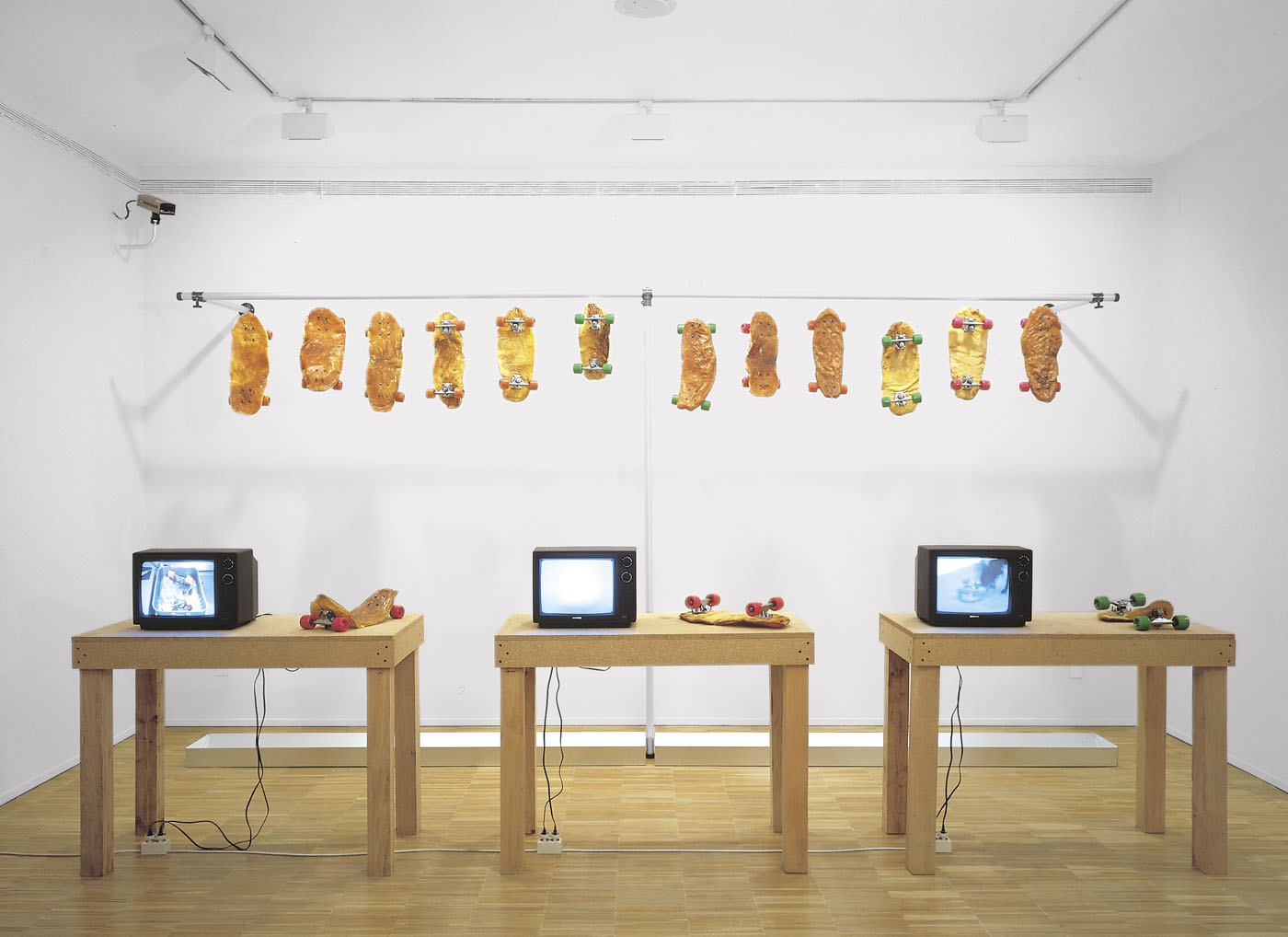
The Brotherhood / 1994
-
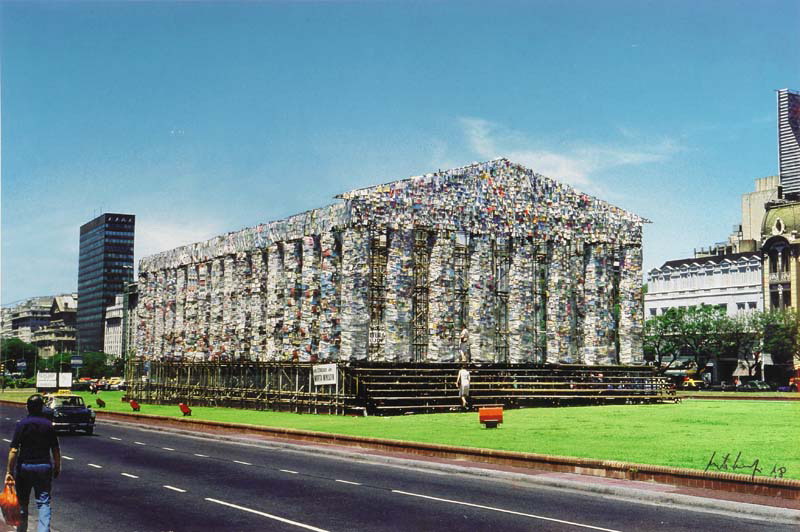
Parthenon of Books / 1983
-
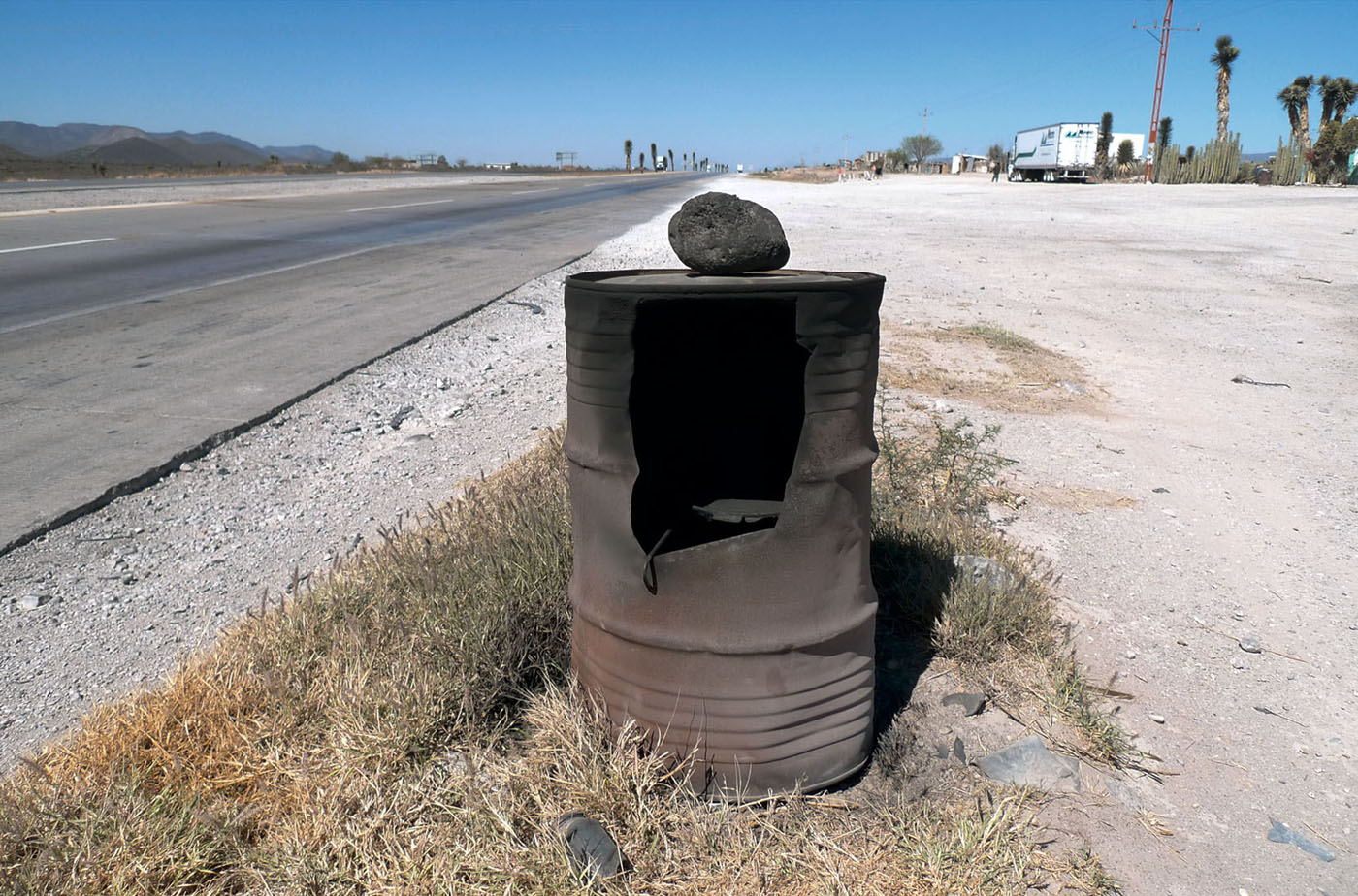
Gran Fanal / 2009
-
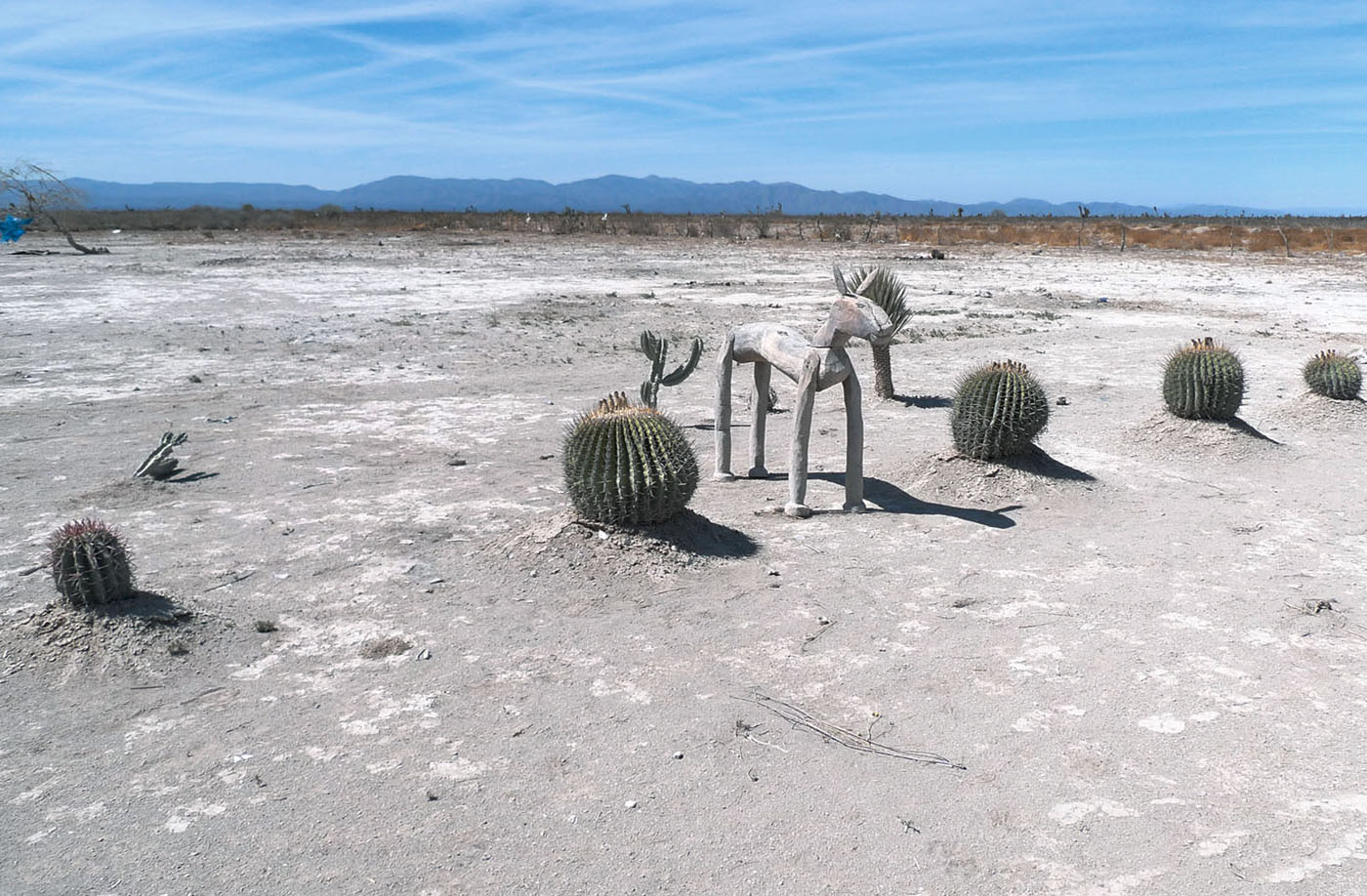
Desert Horse / 2009
-
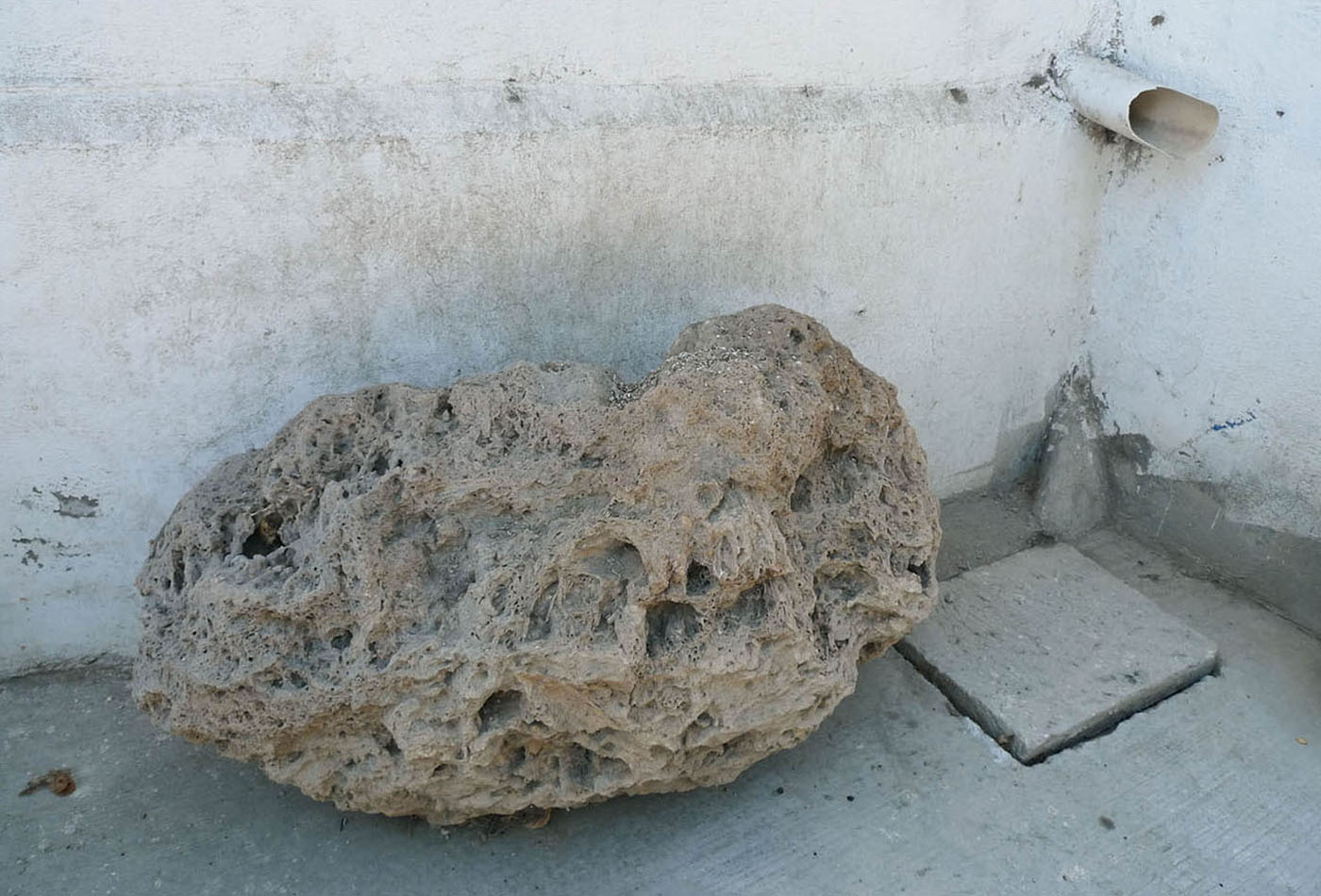
Stone, Tube and Drainage / 2009
-
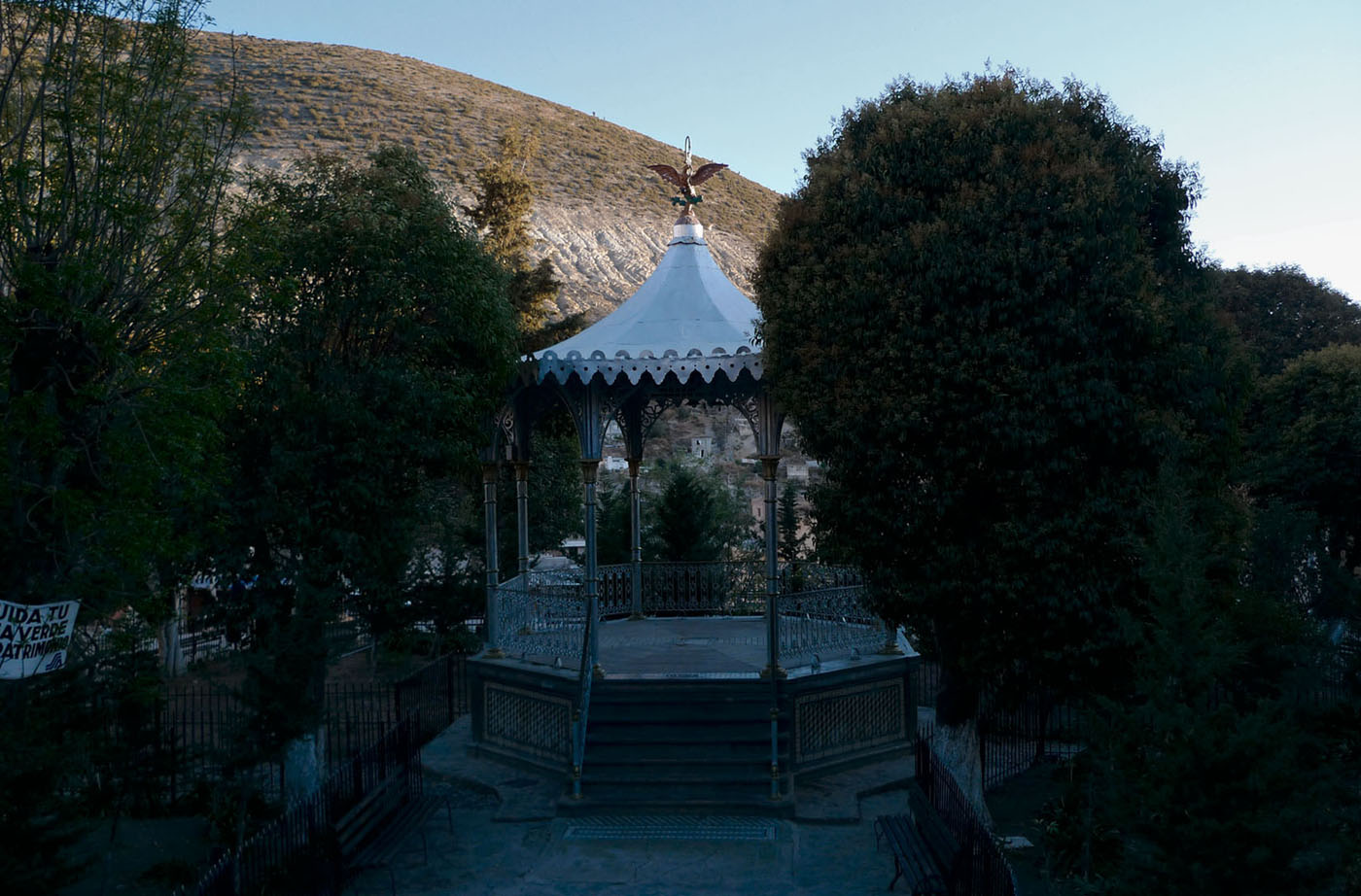
Imperial Kiosk / 2009
-
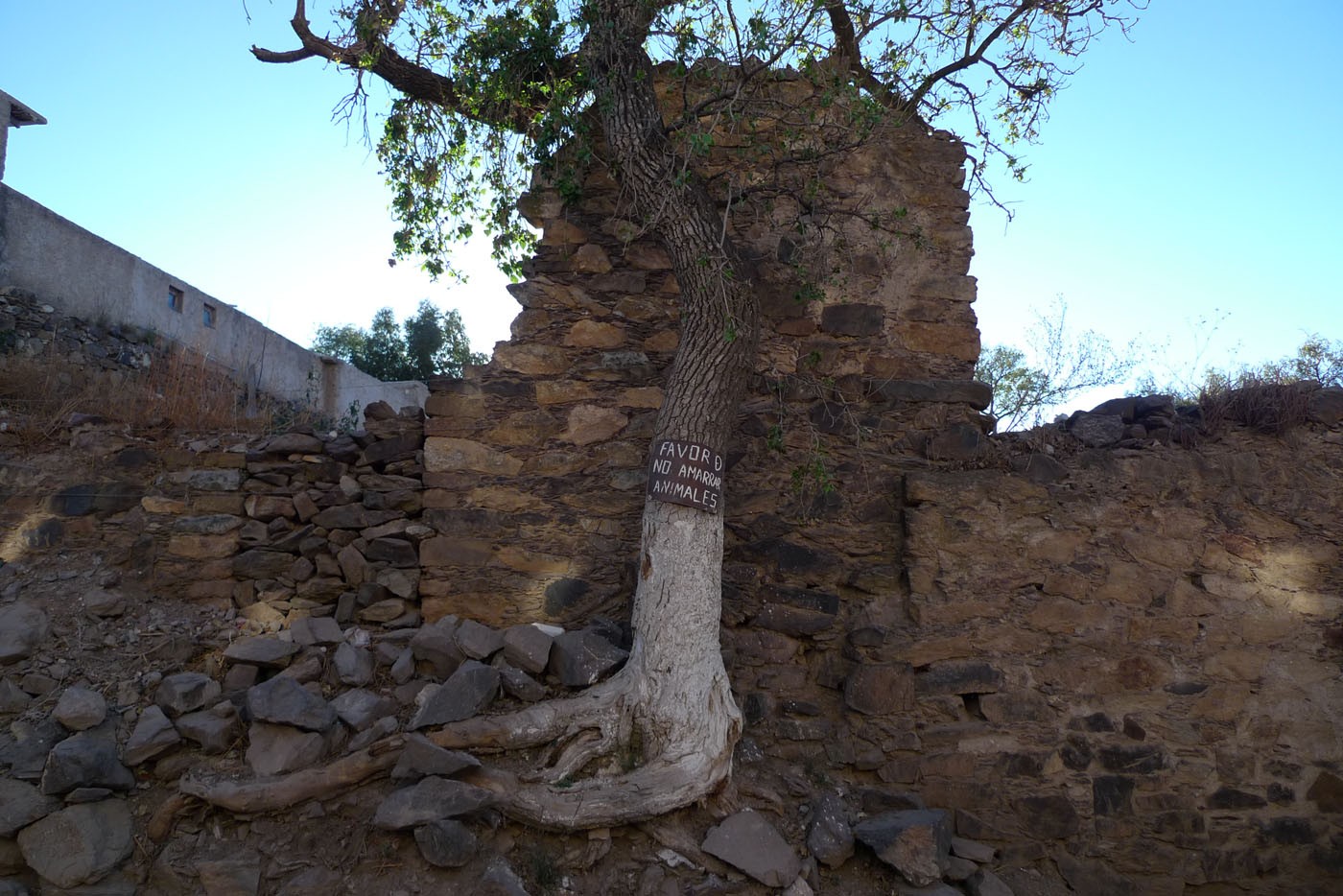
Fragile Tree / 2009
-

Winter Hoop / 2009


