

H(a)unting Images: Anatomy of a Shot
06/10/2017 - 07/01/2018
CAIXAFORUM BARCELONA
The invention proudly announced by French physiologist Étienne-Jules Marey in 1882 followed in the same line as other chronophotographic devices from the late 19th century. Designed to analyse the different phases of moving bodies, these devices expanded the possible ways of representing reality and extended the scope of sight beyond the range of the human eye. Marey’s new invention gave him a camera in a form already adapted to the human hand and let him explore the close ties between observation and shot. Although he downplayed its possible murderous connotations, this new invention revealed the potentially predatory nature of the photographic shot.
As photography developed, the relationship between cameras and firearms moved beyond purely technological parallels and turned the dark power of photography’s destructive gaze into a topos that still runs through art and literature today. In his work, French photographer Henri Cartier-Bresson elevated the link between image, moment and capture to a true dogma.
The correlation between the acts of taking photographs and stalking prey has been the subject of much critical analysis, which has revealed how photography—from capture through to consumption—always entails a certain degree of violence, capable of turning every encounter between camera, photographer and subject into an act of domination. In contemporary conflicts, the use of images produced by weapons themselves has made devices for capturing and disseminating pictures a key part of an army’s arsenal, proof that the parallels between these two devices are as strong as ever.
The works in this show analyse the three key moments in a hunt: device, capture and trace. They expand on the issues raised by Marey and share contemporary art’s growing interest in new ways of exploring and representing conflict. How has the relationship between image-capture systems and military devices evolved? Can we subject images to a critical analysis of violence that goes beyond their literal nature as records and evidence? How can contemporary artistic practices offer alternative forms of representing conflict outside the sphere of the media? This exhibition sets out to tackle these and other questions raised by the discursive implications of the shot and calls on spectators to play an active role in seeing the gaze as a predatory strategy.

Artworks in the exhibition
-
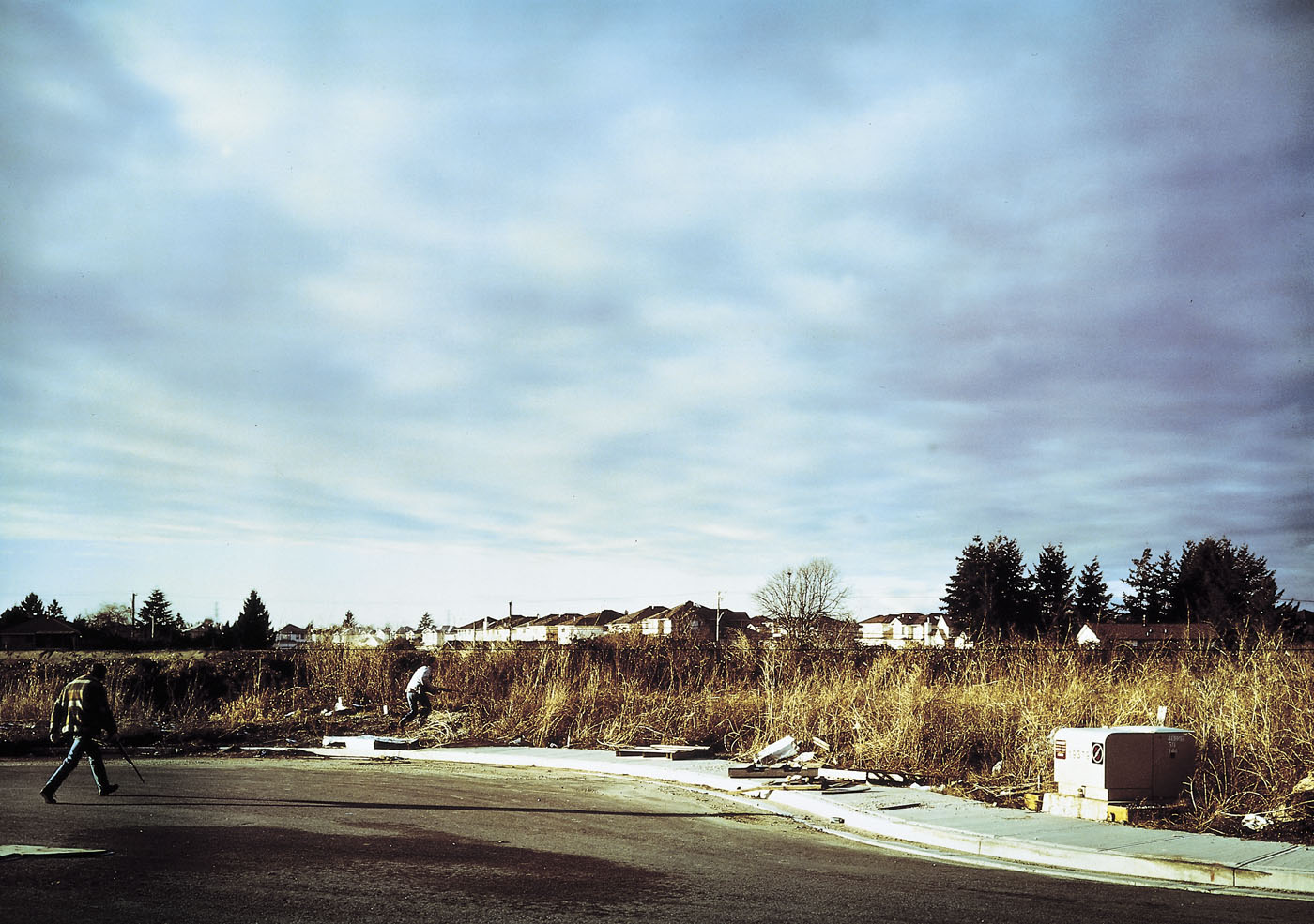
A Hunting Scene / 1994
-

Mistreatment / 1999
-
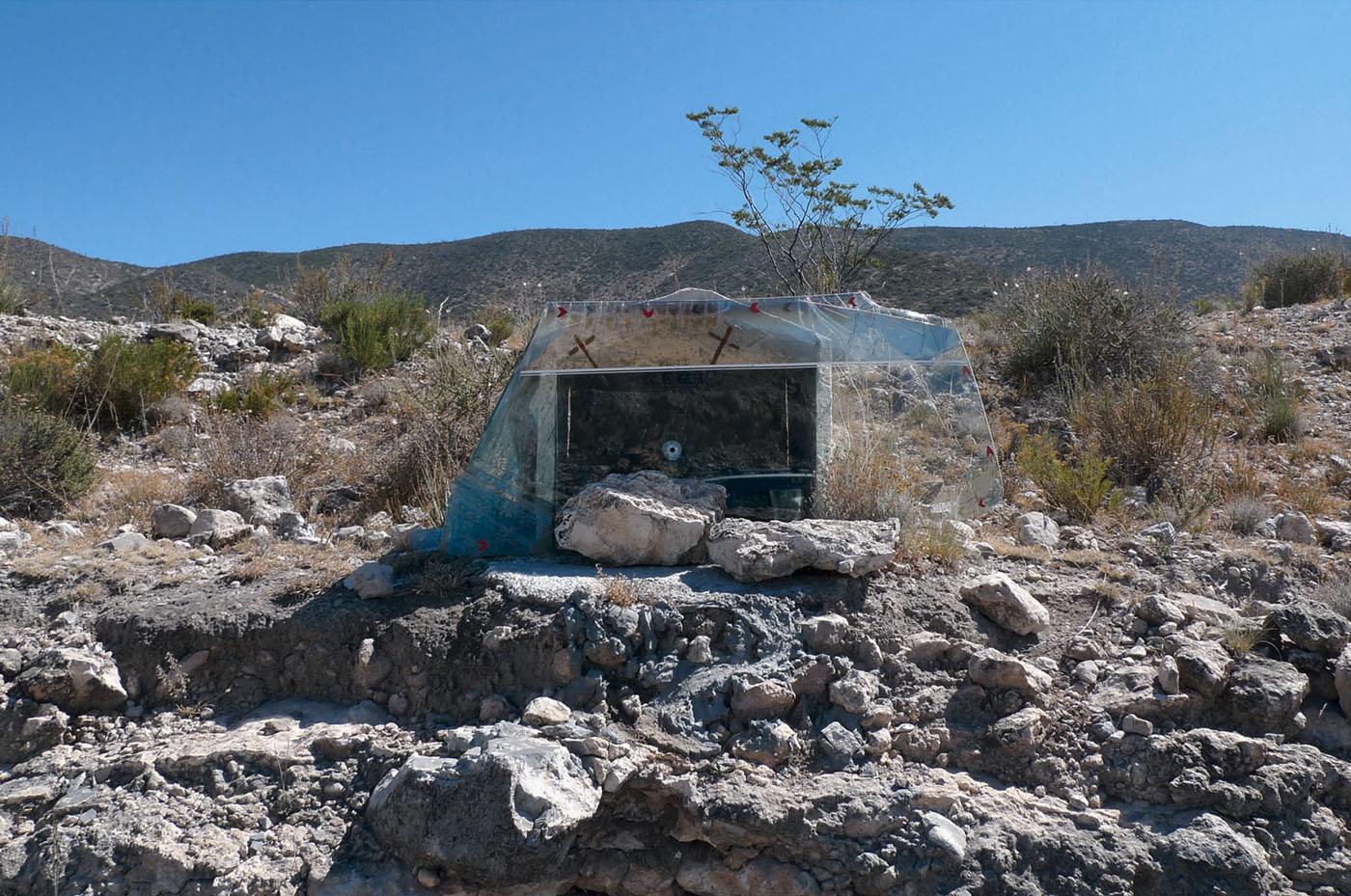
Shot Windscreen Altar / 2009
-
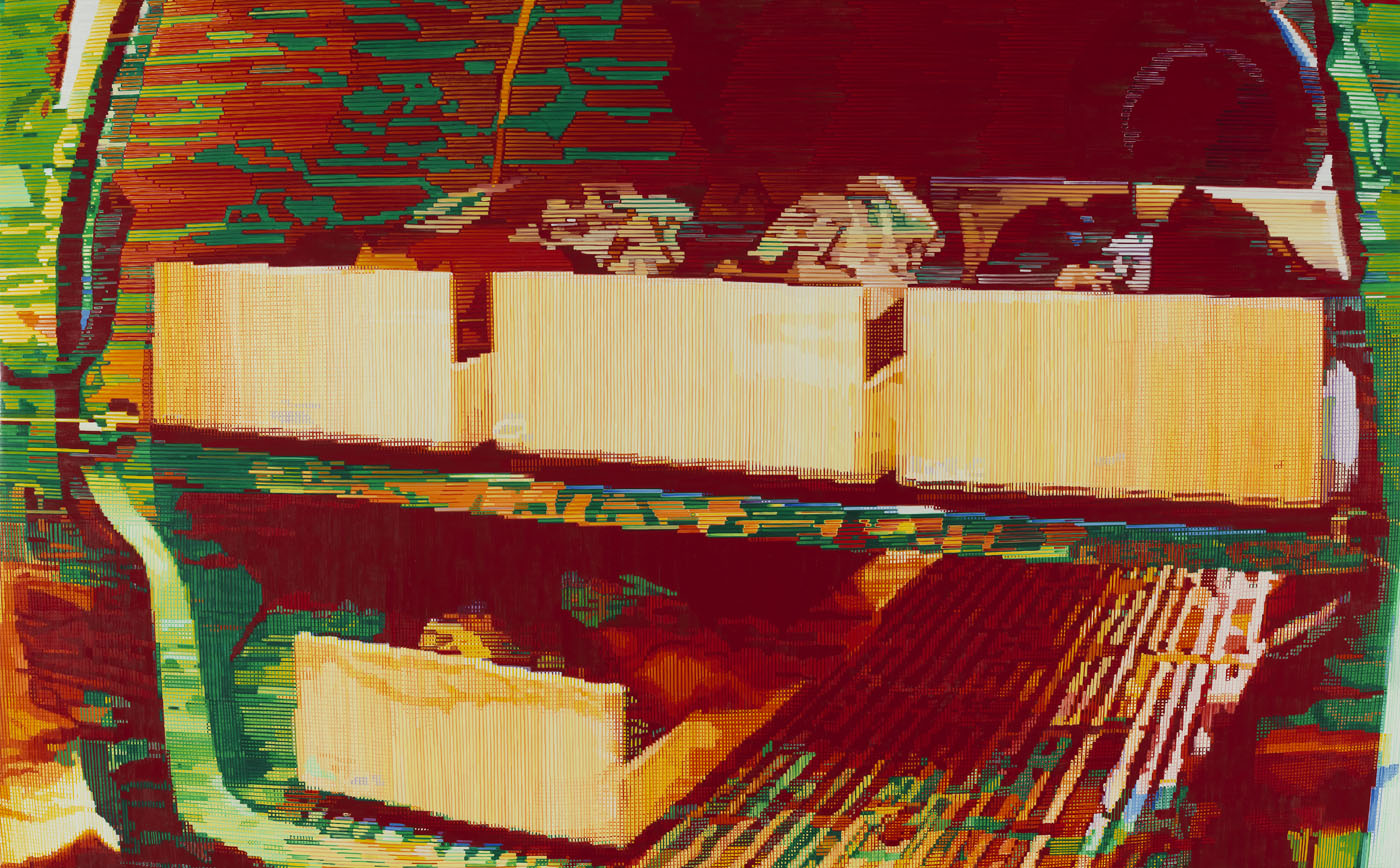
Murder Victims at Sarajevo Market, Saturday Februa ... / 2008
-
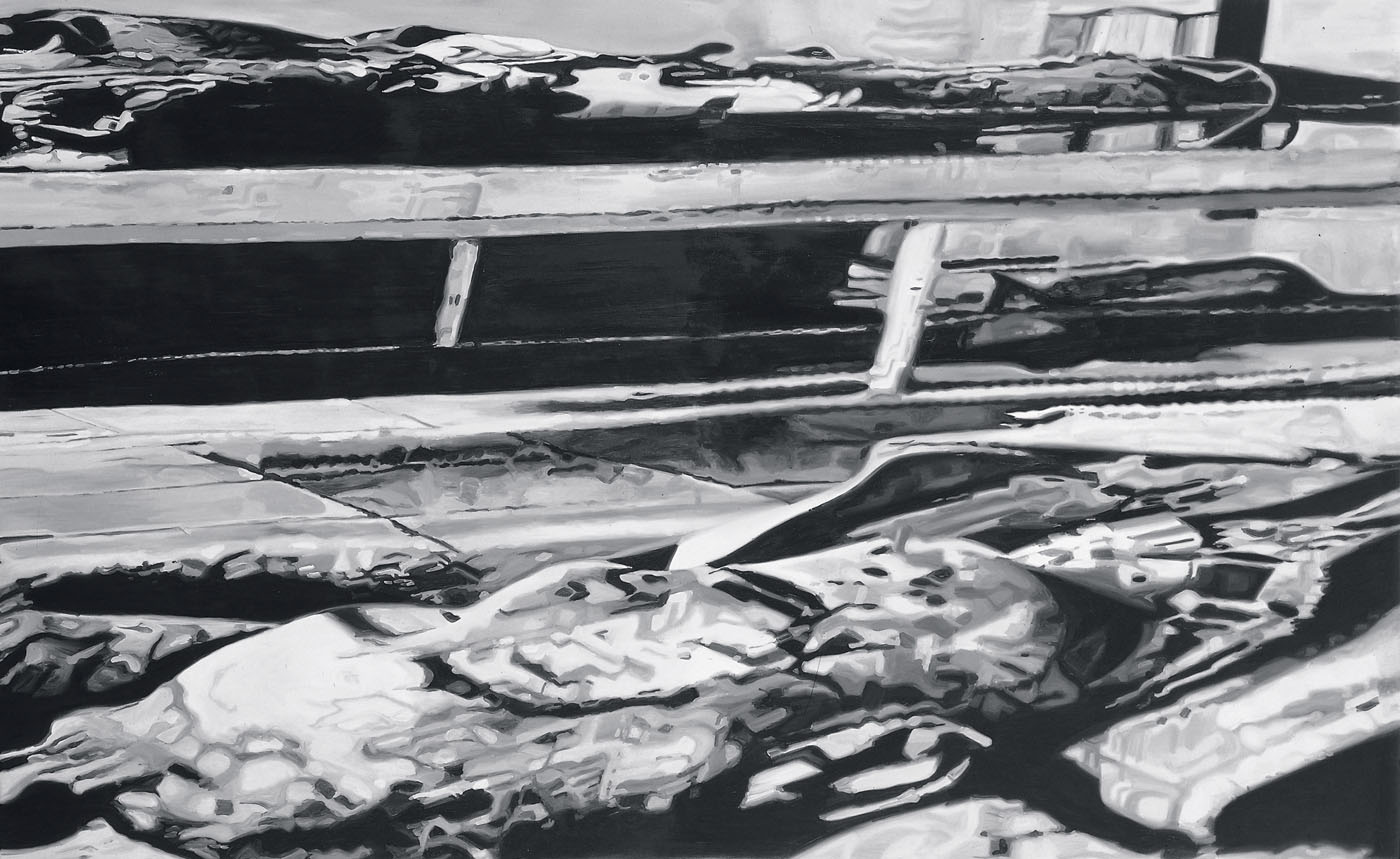
Victim of the Serbian Bombing in the Centre of Sar ... / 1996
-
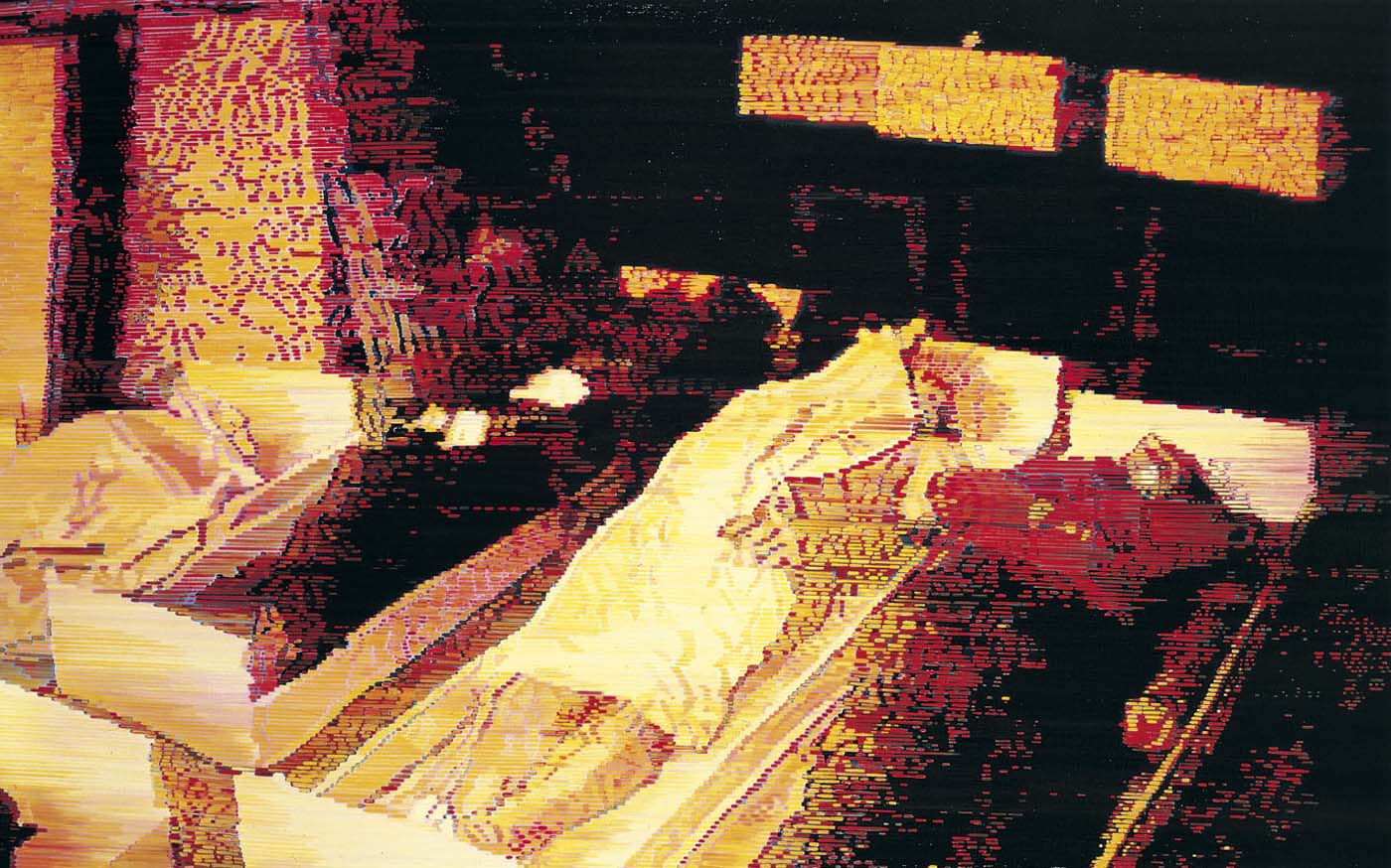
Victims of the Massacre in Sarajevo market, Saturd ... / 1998
-
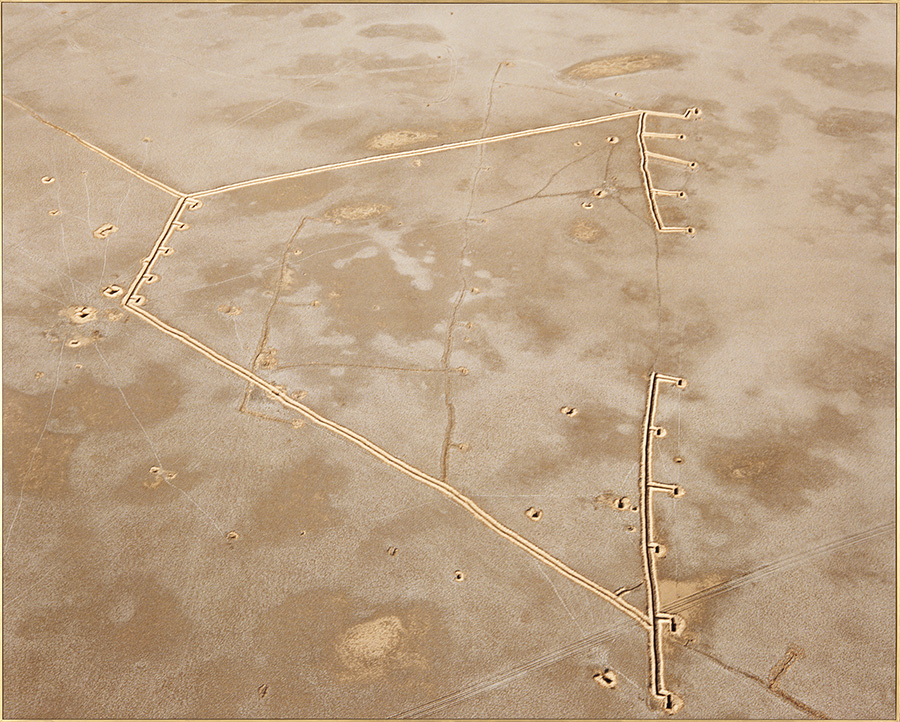
Fait # 07 / 1992
-
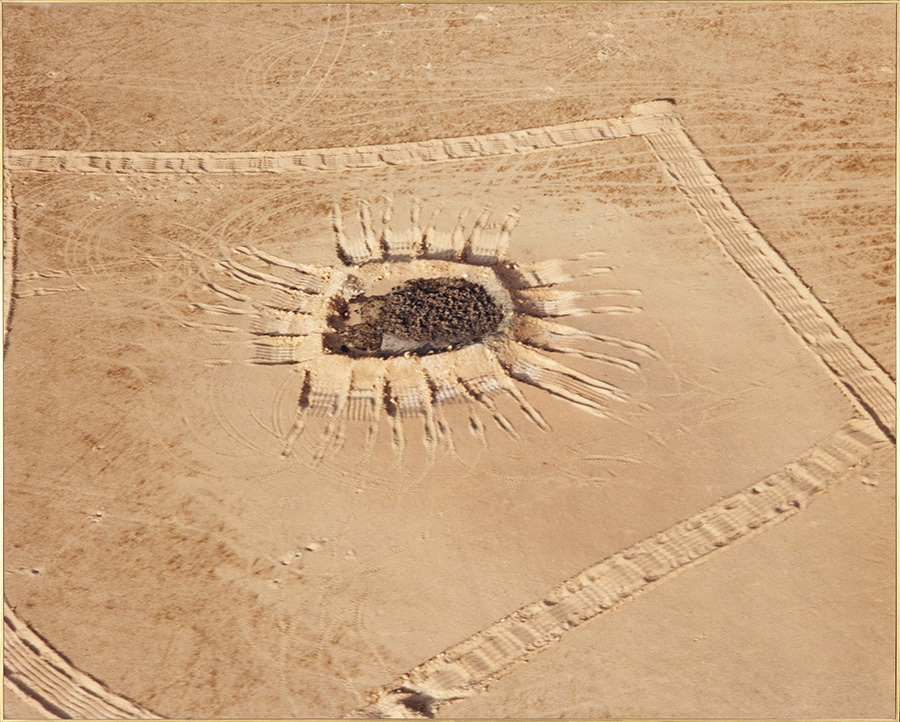
Fait # 28 / 1992
-
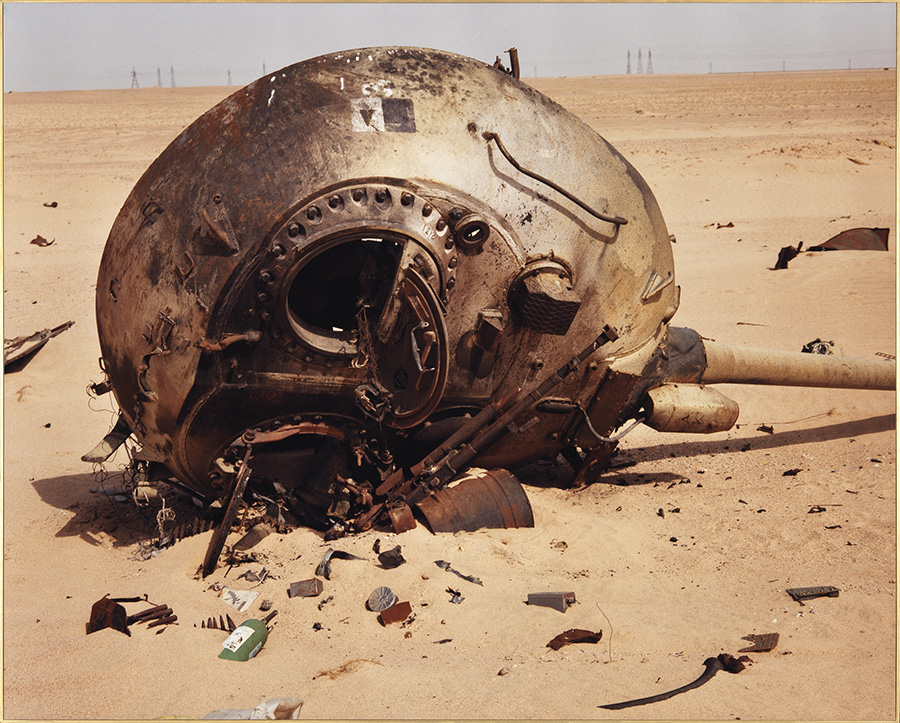
Fait # 60 / 1992
-
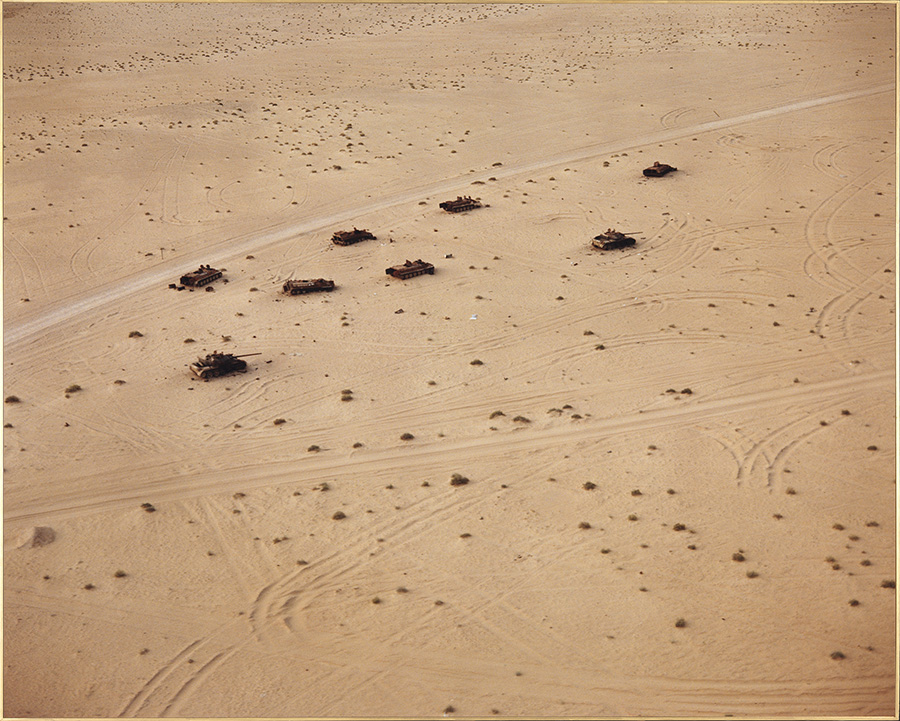
Fait # 43 / 1992
-
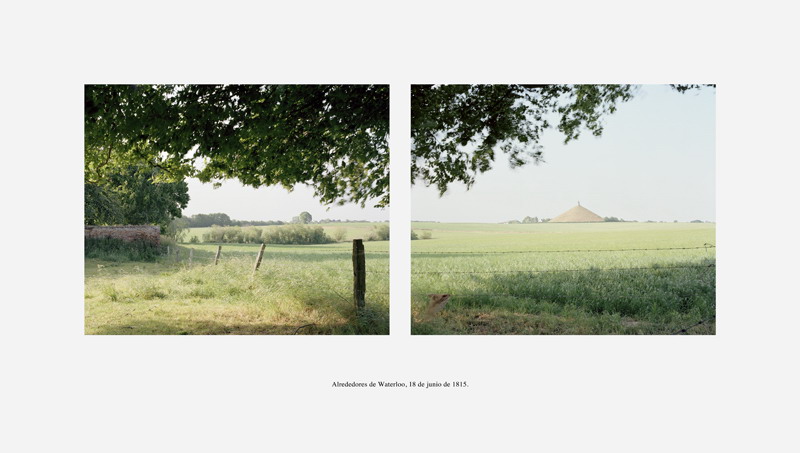
Waterloo surrounding area, 19th June 1815 ('Battle ... / 2010-2012
-
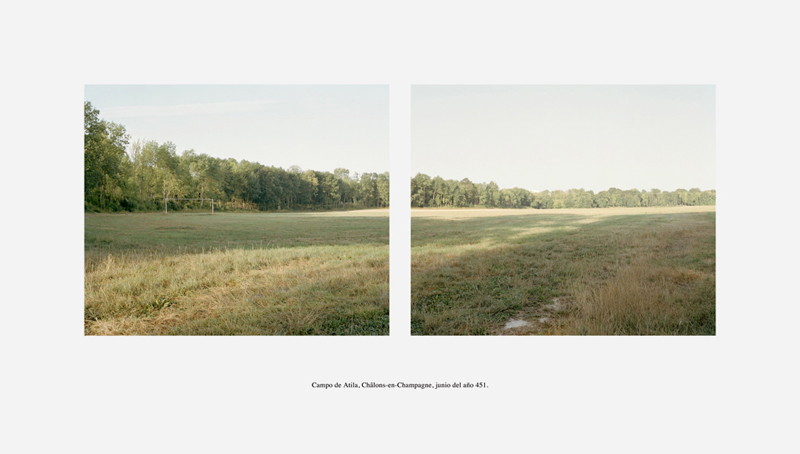
Attila's Fields, Châlons-en-Champagne, June 451 AD ... / 2010-2012
-
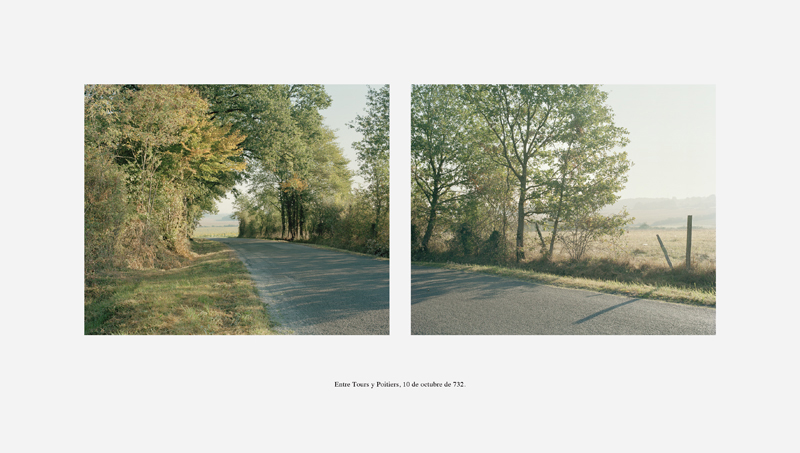
Between Tours and Poitiers, 10th October 732 AD (' ... / 2010-2012
-
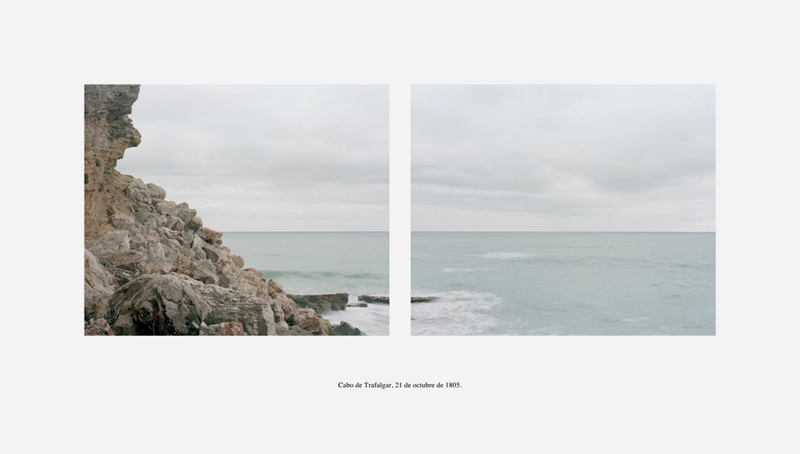
Cape Trafalgar, 21st October 1805 ('Battlefields. ... / 2010-2012
-
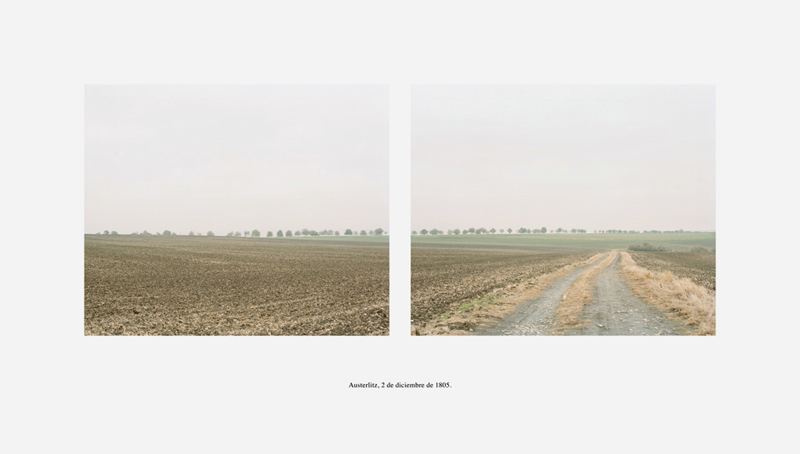
Austerlitz, 2nd December 1805 ('Battlefields. Euro ... / 2010-2012
-
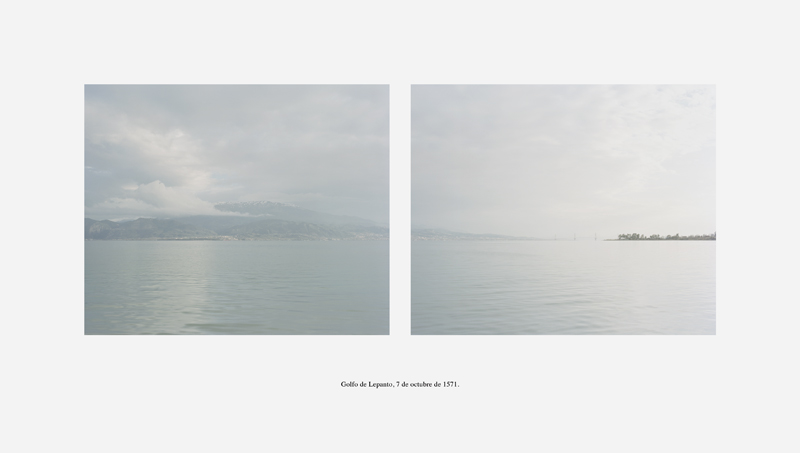
The Gulf of Lepanto, 7th October 1571 ('Battlefiel ... / 2010-2012
-
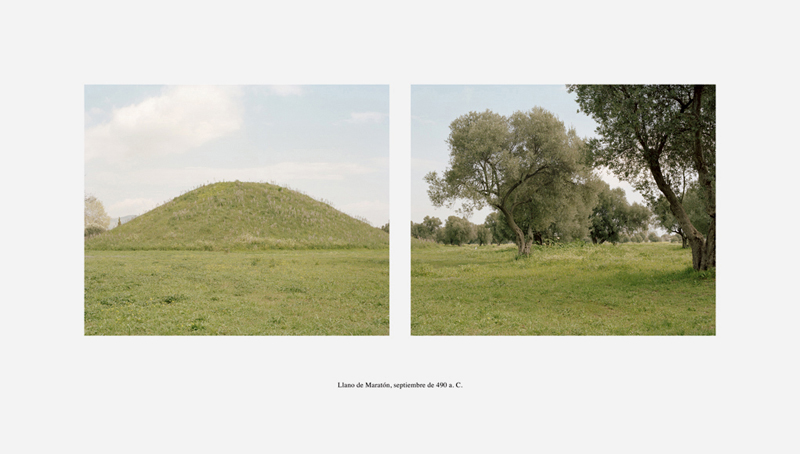
The Plain of Marathon, September 490 BC ('Battlefi ... / 2010-2012
-
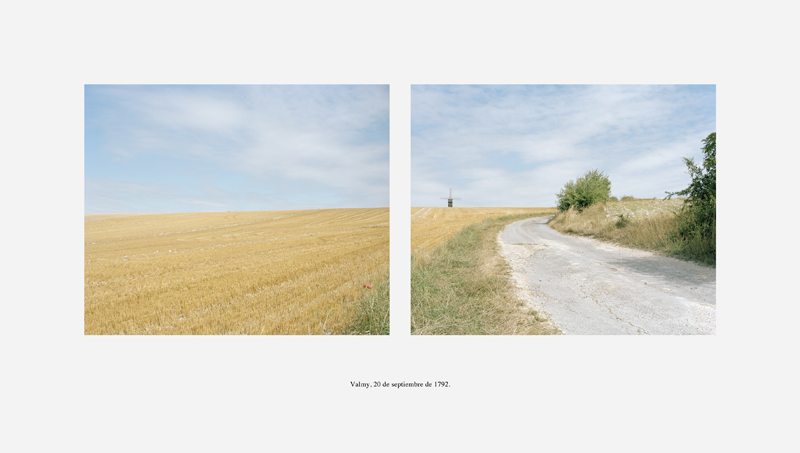
Valmy, 20th September 1792 ('Battlefields. Europe' ... / 2010-2012


