

”LA CAIXA” COLLECTION OF CONTEMPORARY ART SELECTED BY Maria Fusco
08/05/2019 - 01/09/2019
Whitechapel Gallery, London
British writer Maria Fusco was invited to curate the second of a series of four exhibitions at the Whitechapel Gallery in London featuring works from the ”la Caixa” Collection of Contemporary Art selected by internationally acclaimed authors. In addition to guest-curating the display, each author was also asked to write a book to accompany their show. This innovative partnership between the two institutions sought to offer a radical alternative to the usual approach to exhibiting and reading art collections.
In her book NINE QWERTY BELLS: Fiction for Live Voice, Fusco gives a voice to nine works of art by letting them each give a presentation at a somewhat unusual conference. Her selection of pieces explores an imaginary world woven together out of language, silence and space. Fusco was intrigued by the sensations of sound, silence and bodily presence she found in the ”la Caixa” Collection. Esther Ferrer’s silent film Extrañeza, desprecio, dolor, y un largo etc. captures a wealth of intense emotions through a roll call of her own facial gestures and expressions. From close by comes the tapping of keys and the chime of carriage returns from Ignacio Uriarte’s video featuring Michael Winslow, an American actor who can mimic the sound of 30 different typewriters. Using only his own voice and two microphones, he tells the story of analogue writing in sound. Cindy Sherman’s photograph Sin título # 102 is a dramatically staged self-portrait that gazes inquisitively at the encounter between Ferrer and Winslow, while Christopher Williams’s photographs strike up a critical dialogue full of repetitions and contradictions. Cristina Iglesias’s concrete arch offers an architectural gateway to an imaginary world of language, silence and space, and Pello Irazu’s armchair sculpture speaks of the cultural impediments of a social life. Alan Charlton’s repetitive series of mute grey monochromes dot the white wall, echoed by Astrid Klein’s experimental black-and-white photowork.

Artworks in the exhibition
-
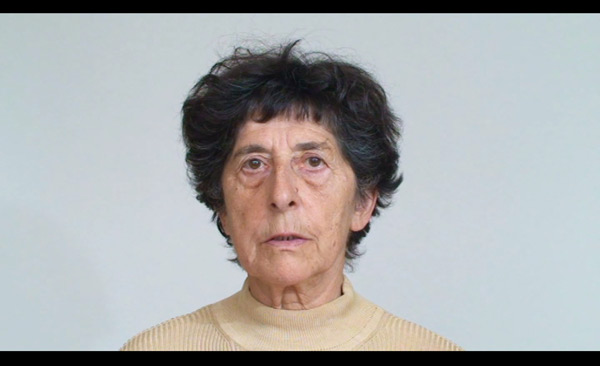
Astonishment, disdain, pain and so on / 2013
-
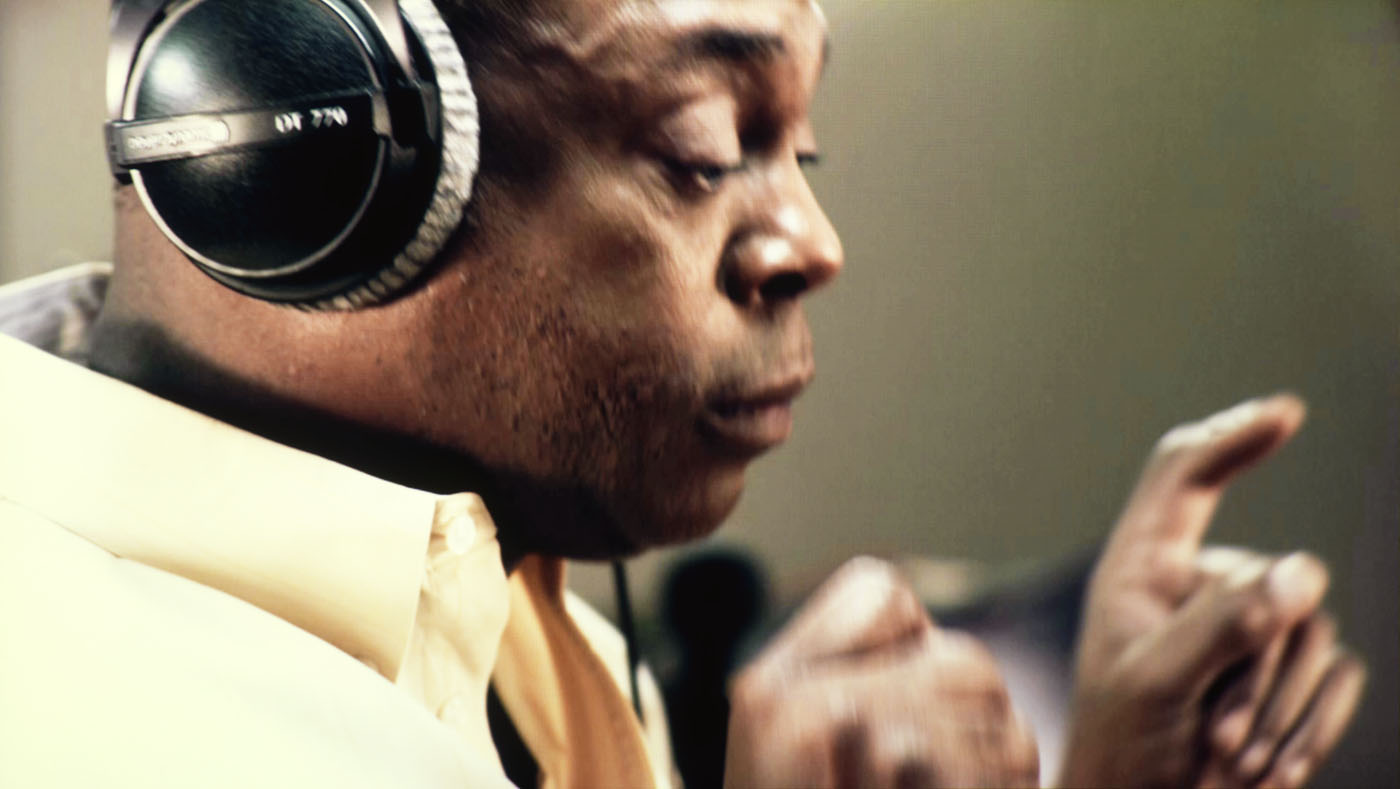
The History of the Typewriter recited by Michael W ... / 2009
-
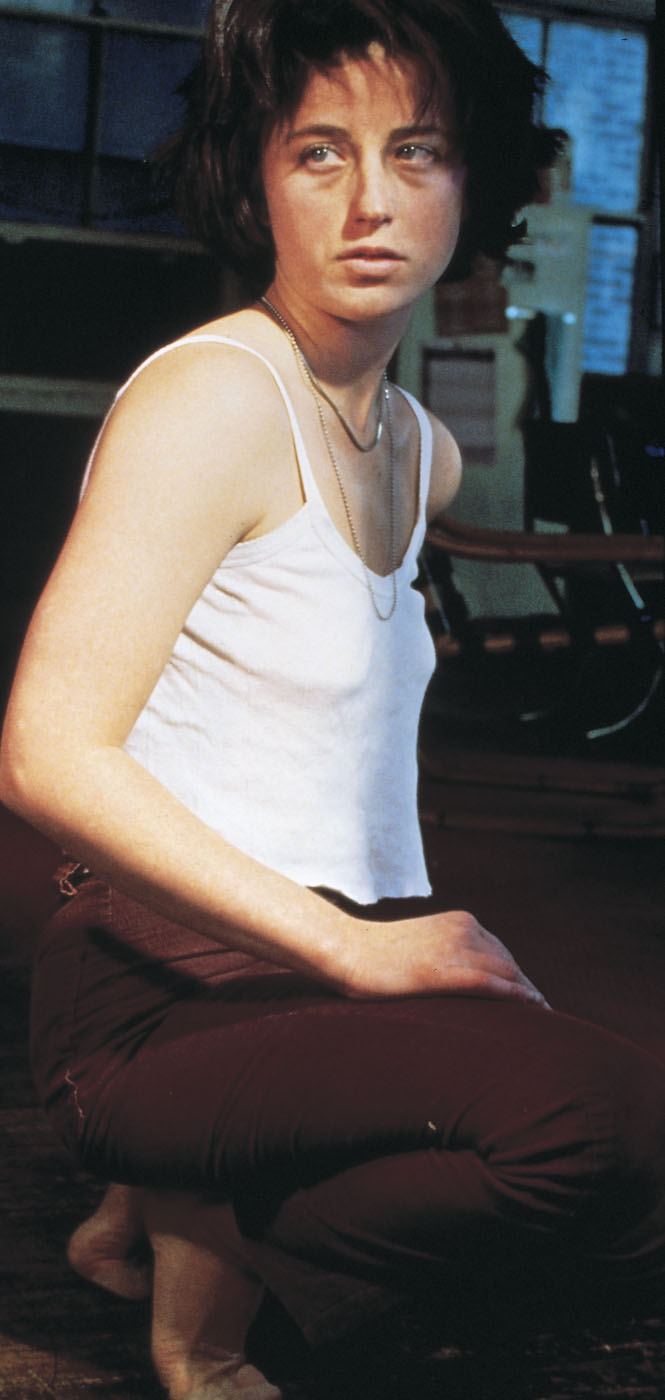
Untitled No. 102 / 1981
-
Painting in Ten Parts / 1990
-
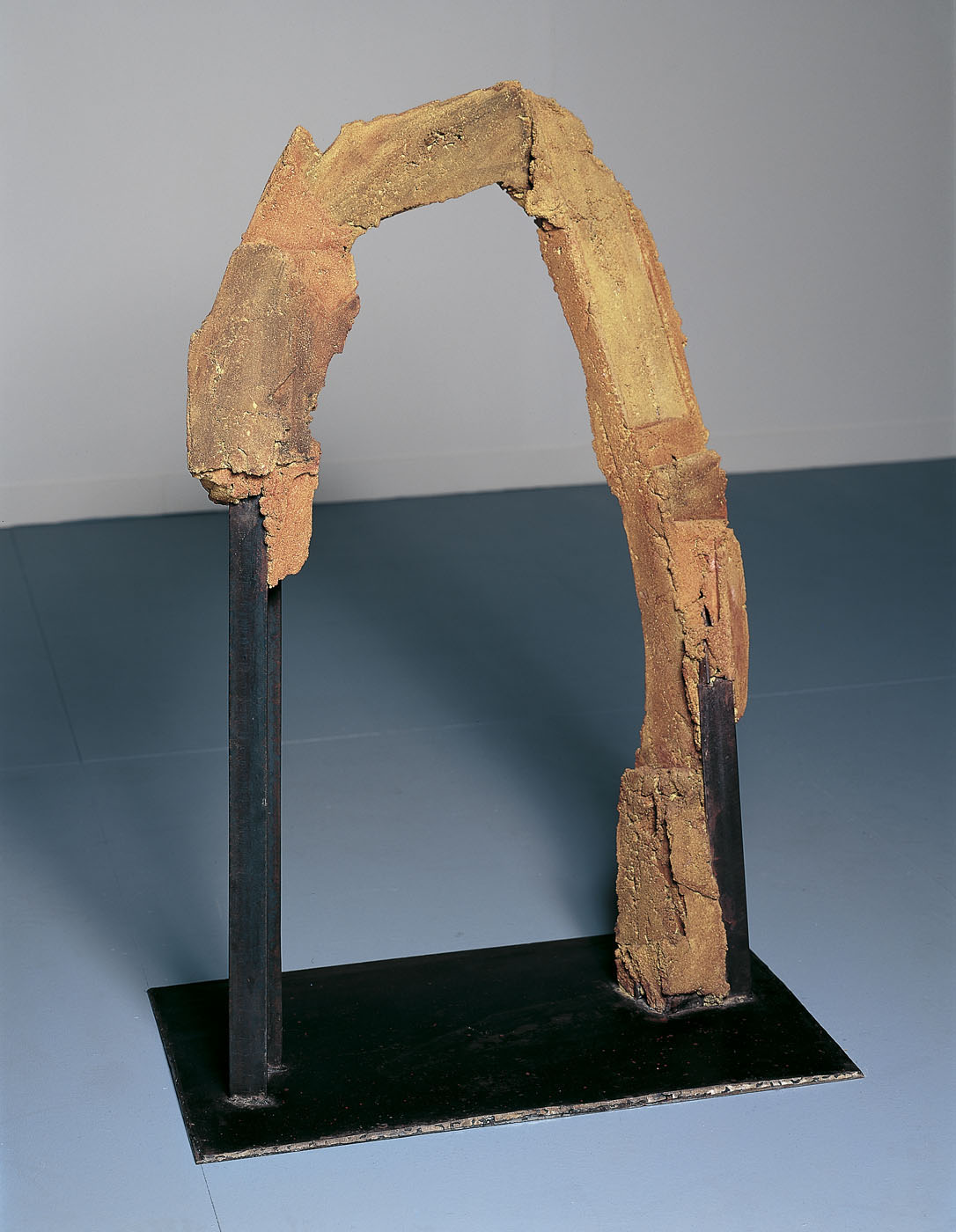
Untitled 4-7 / 1985
-
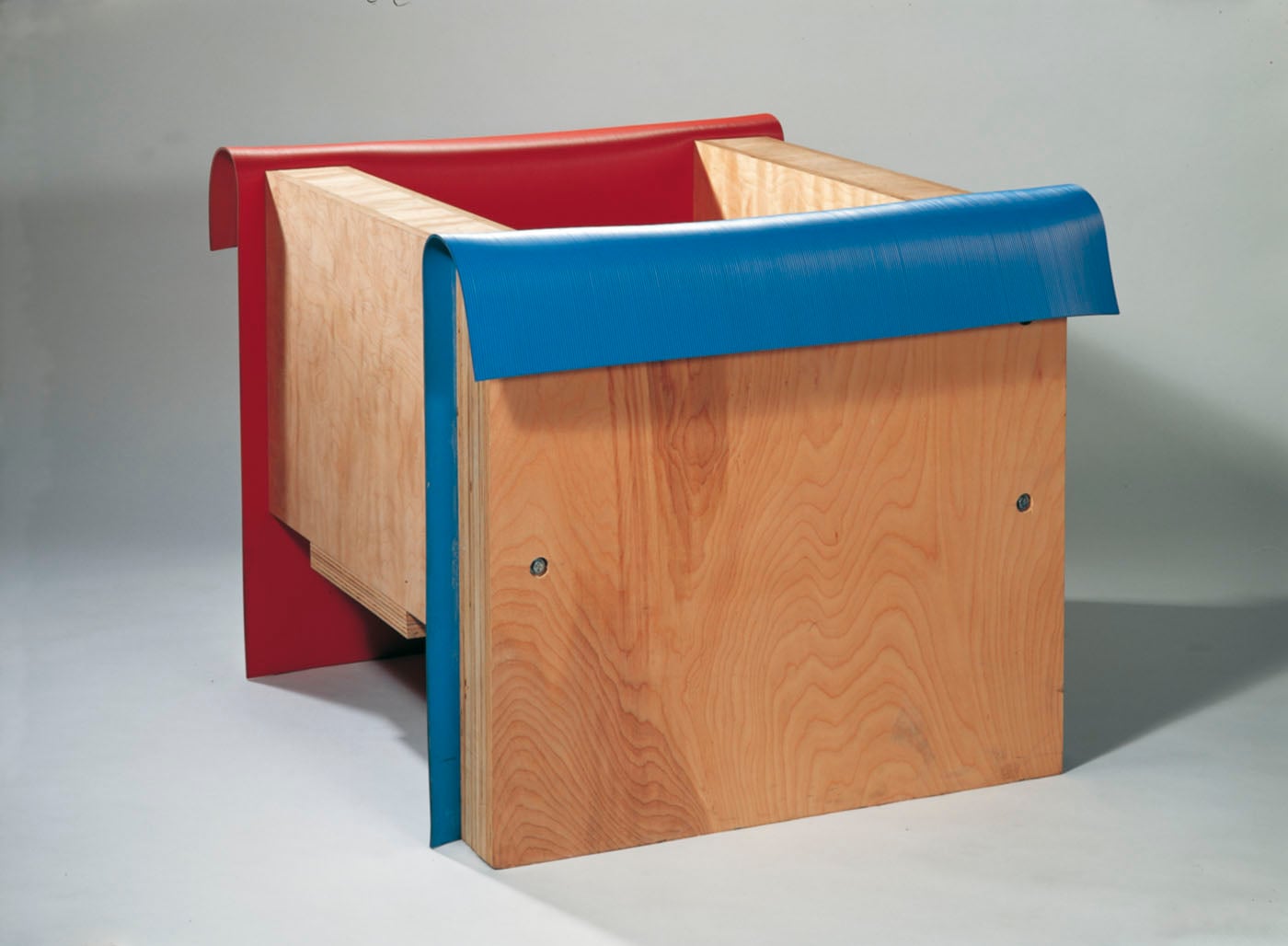
Room for Two / 1992
-
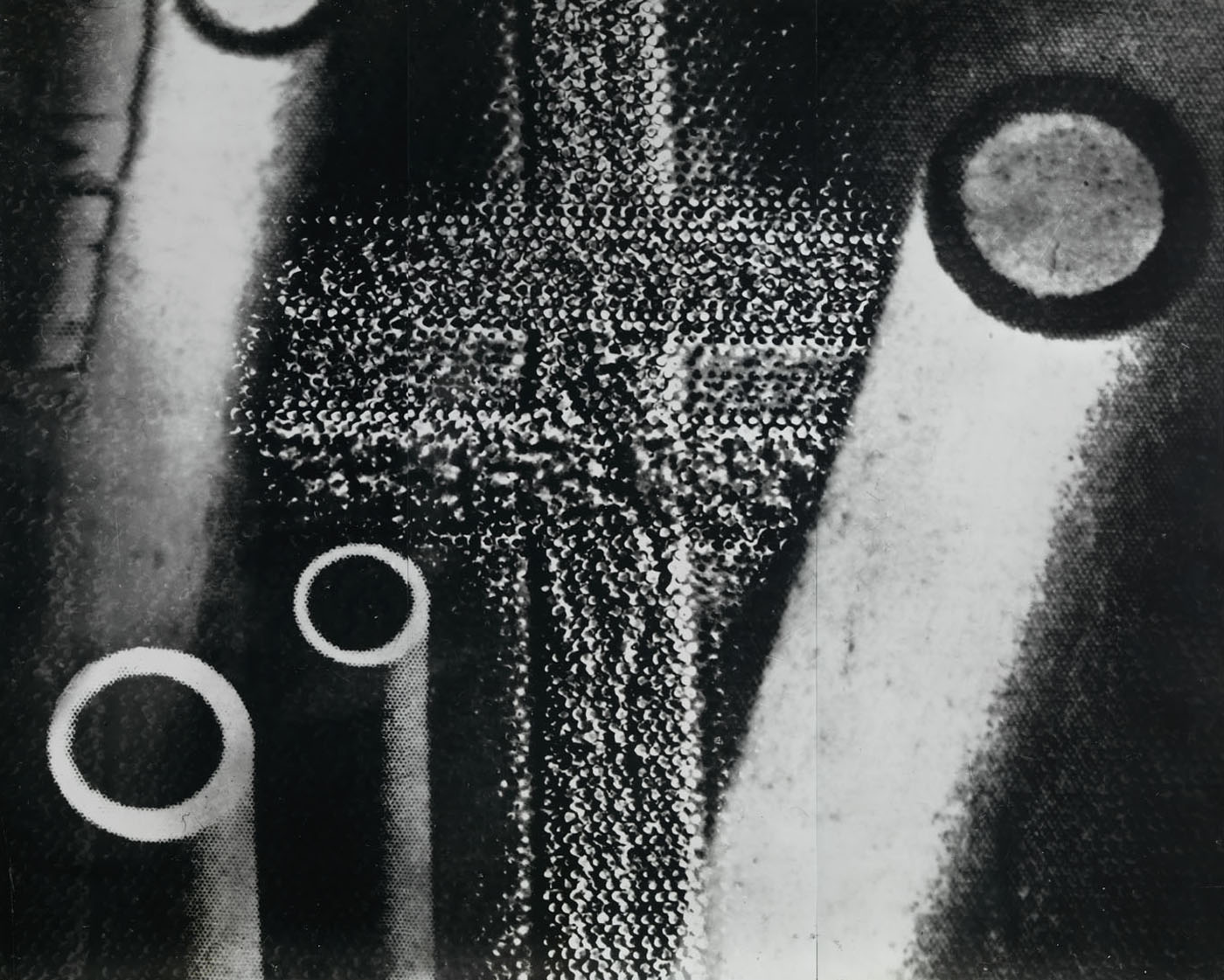
Untitled / 1987
-
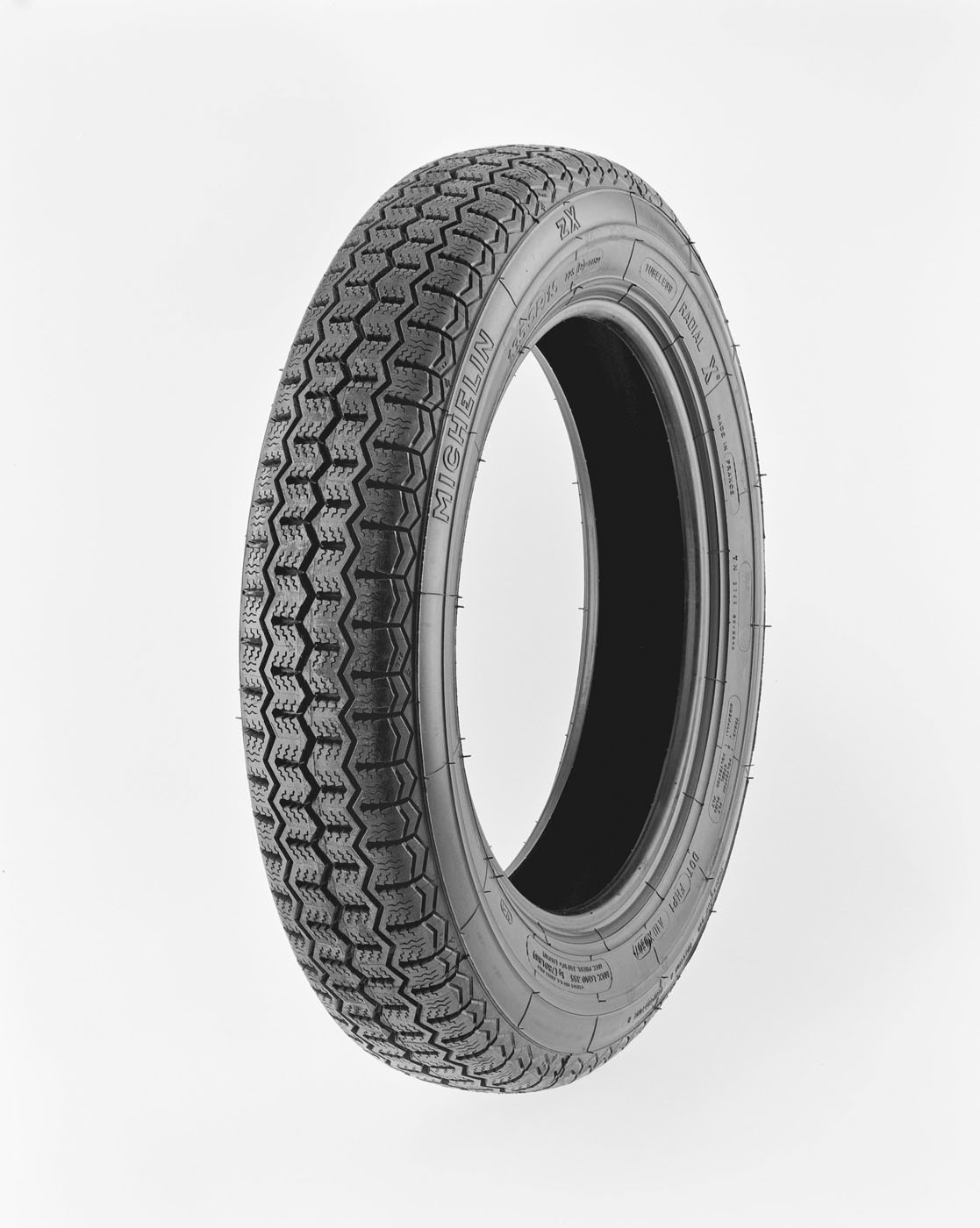
Clockwise from Manufacturer Name (Outer Ring) Mich ... / 2008
-
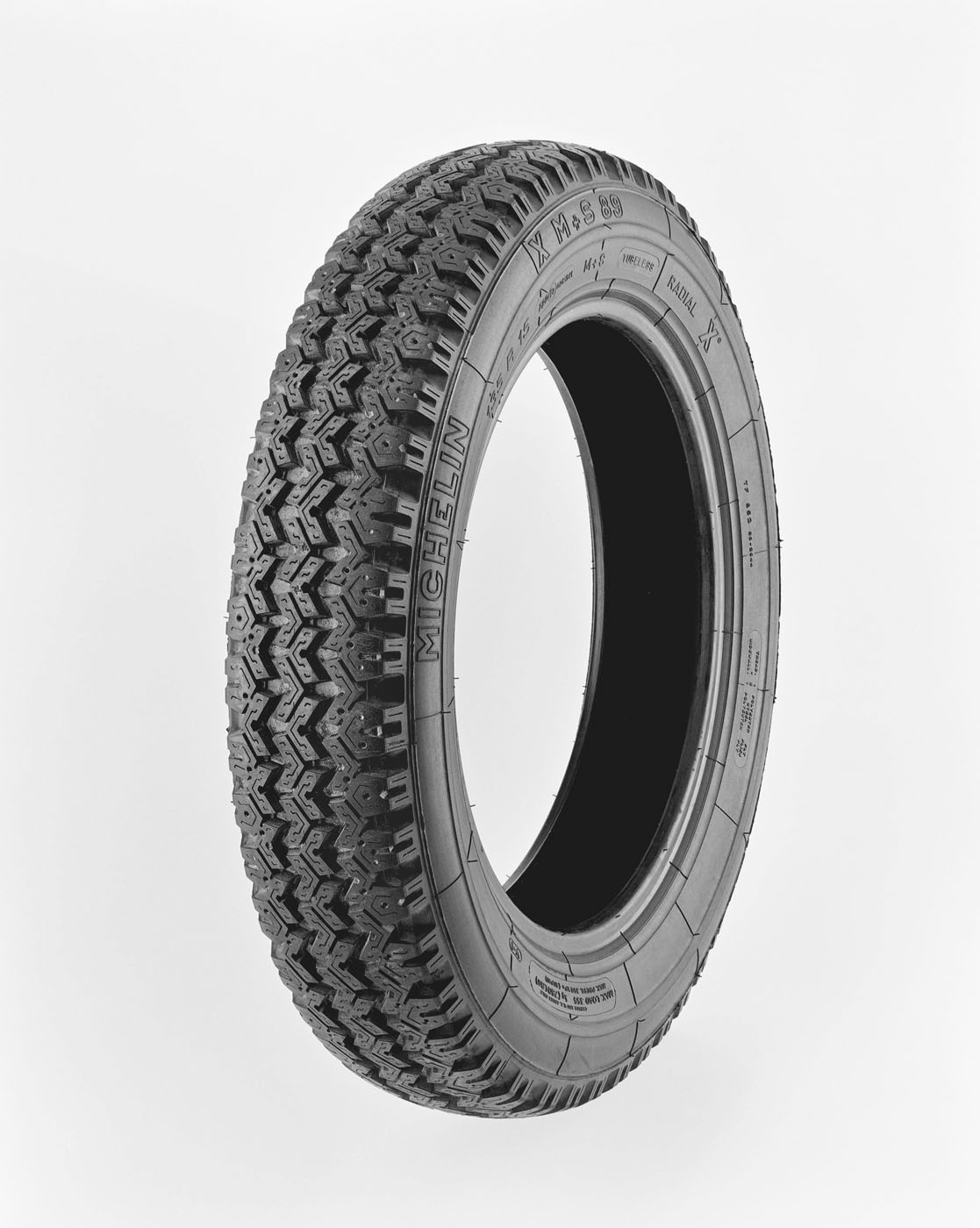
Clockwise from Manufacturer Name (Outer Ring)Miche ... / 2008


