

LOOK AT ME!
16/06/2022 - 25/09/2022
Naves de Gamazo, Santander – Fundación ENAIRE
In the thirty-six portraits that make up Roni Horn’s Cabinet Of we can make out the hazy features of a clown’s face. The artist captured a performing clown in distinctive style by using long camera exposures to blur his face and produce a pictorial effect, as if she had dashed off a sketch in red and white strokes. The figure of the clown is a symbolic form that appears regularly throughout the history of art, featuring in work by artists from Jean-Antoine Watteau to Bruce Nauman. At times it might take the form of a self-portrait of the artist, while at others it can be interpreted as a generic portrait of humanity. A clown’s raw materials are human beings’ basic emotions and forms of behaviour, and clowns have even been interpreted as a series of alter egos of different individuals. Horn could be thought of presenting this repeated image so that we can see ourselves reflected in her numerous exposures, as if in a mirror. However, the only details she picks out are his artifices—his red and white makeup—thus revealing that a clown is merely an appearance, a conventionally defined mask that hides a person and leaves their identity temporarily in suspense. Likewise, the image we project of ourselves constitutes an appearance that responds to different personal, social and cultural registers which, as a whole, make up our own portrait. Cabinet Of, though, ventures slightly further and adds an extra twist to the portrait of the clown by capturing his fleeting nature: if these photographs already make it difficult to distinguish his blurred face, it is even harder to remember it in the different sequences that capture his evanescent movement. The installation therefore weaves a story in which the character’s face never quite manages to stick in our mind, as also happens with the rapid flow of digital images we are caught up in every day in our culture of global networks. The image of the clown, like our own, is fleeting and transient, characteristic of our current world, which, in turn, can no longer be understood without images.
Cabinet Of is a key work in this exhibition, which has been designed as a confluence of gazes that invite spectators to engage in the act of observing while at the same time feeling themselves reflected in the social mirror of a portrait. Under the heading Look at Me!, the show examines the genre of portraiture in contemporary art through a selection of paintings, photographs, sculptures and videos from the ”la Caixa” Foundation Collection of Contemporary Art chosen to reveal the wide range of representational strategies that artists use to explore subjectivity and human identity in our own time. Over three decades, the collection has brought together a striking set of works of contemporary art to promote knowledge and spark critical thought on our present-day society. This exhibition pursues the same goal by showing work by noteworthy artists who explore the effect that our culture, dominated by technology and images, has on the representation of identity, especially when this notion is no longer stable and given, but has become as fluid and ambiguous as the nature of our world, subject to constant change.
The first historical reference to a portrait is found in a story by Pliny the Elder, who describes how a young Corinthian bidding farewell to her lover as he sets off to war picks up a stick of charcoal to sketch the outline of the shadow cast by his face against the wall. That artistic impulse was driven by the urge to retain the soldier’s image, although as the Greek legend of Narcissus teaches us, a portrait is also a revelation of an identity or a self. Throughout the history of art, portraits have shown human beings’ need to affirm, accentuate and remember their presence in the world.
Portraits have come down to our own day by revealing multiple perspectives on the human image and its complicated social implications. A major transformation took place with the arrival of photography, since when the popularity of portraits has increased exponentially to reach the dizzy heights of the present phenomenon of the selfie and smartphone portraits that invade social media. Although capturing a true likeness of the subject has always been an essential condition of any portrait, art has shown us that the purpose of a portrait is not to reproduce an image but to create one—in short, to construct a fiction.
Most of the works in this show examine concepts such as “truth”, “appearance” and “representation”, as well as “memory” and “fiction”. Some push the limits of the normative canons in the genre of portraiture and reveal the conventions they follow to achieve verisimilitude. Paintings and photographs both make use of masks and makeup to experiment with the power of these artifices to produce unsettling effects on reality. Some artists are interested in the anonymity of the portrait, while others untangle social roles and analyse the problems entailed by representing identity.
In the exchange of gazes set up by the show, the portraits never cease observing the spectator, as if posing such eternally human questions as “Who are they?”, “How do I see them”, “Who am I”, “How do people see me?”
The exhibition is divided into four sections which cover different interests and ways of approaching a portrait. These sections, however, are not neatly defined, hermetic compartments, since there are several pieces that could well belong in more than one section. All the works in the show aim to reveal the fiction in a portrait, while at the same time affirming its valid role in distinguishing the identity that defines a person in their individuality and in relation to society.

Artworks in the exhibition
-
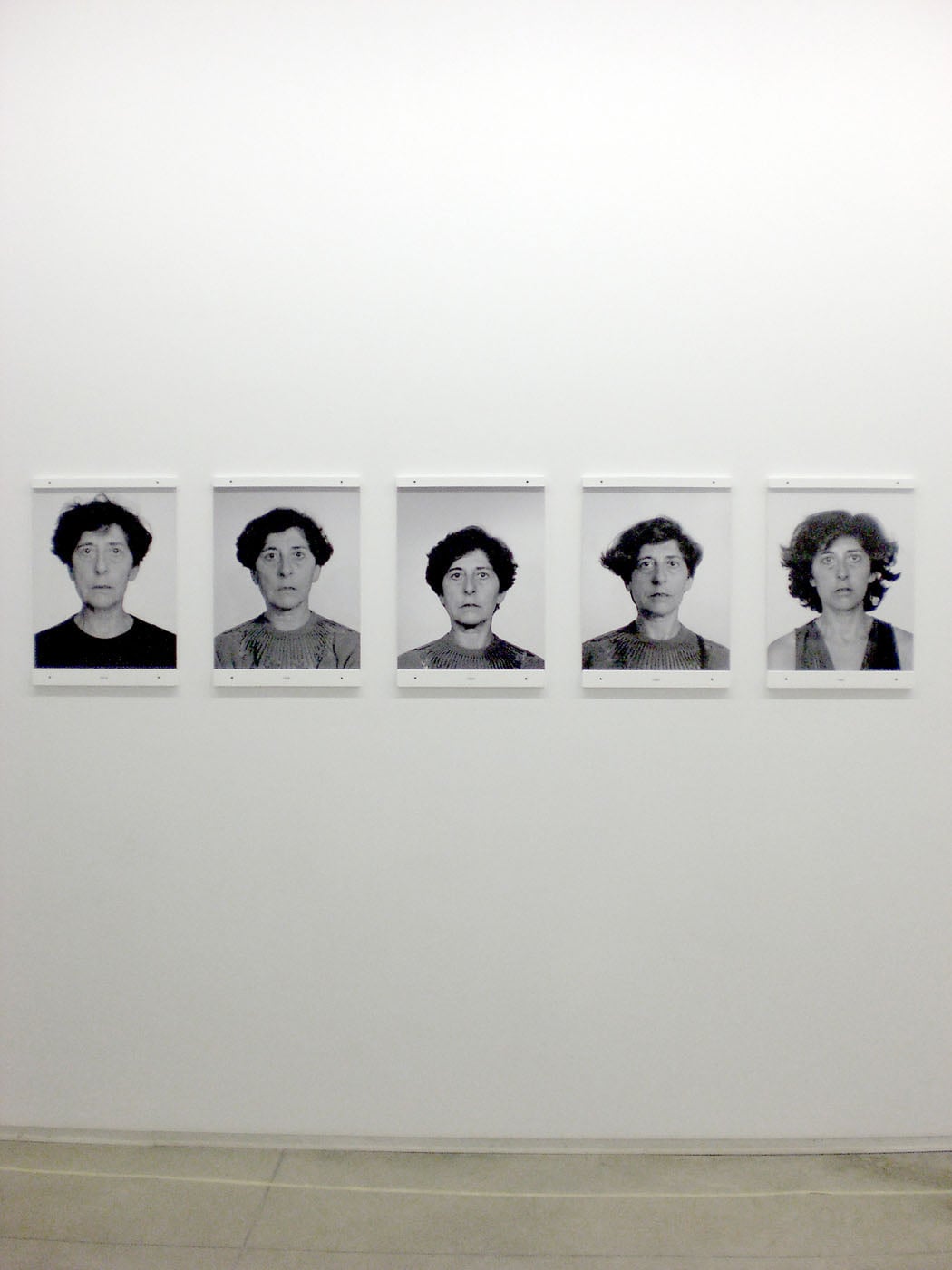
The Book of Heads. Self-Portrait in Time (2004 ver ... / 1981-2004
-
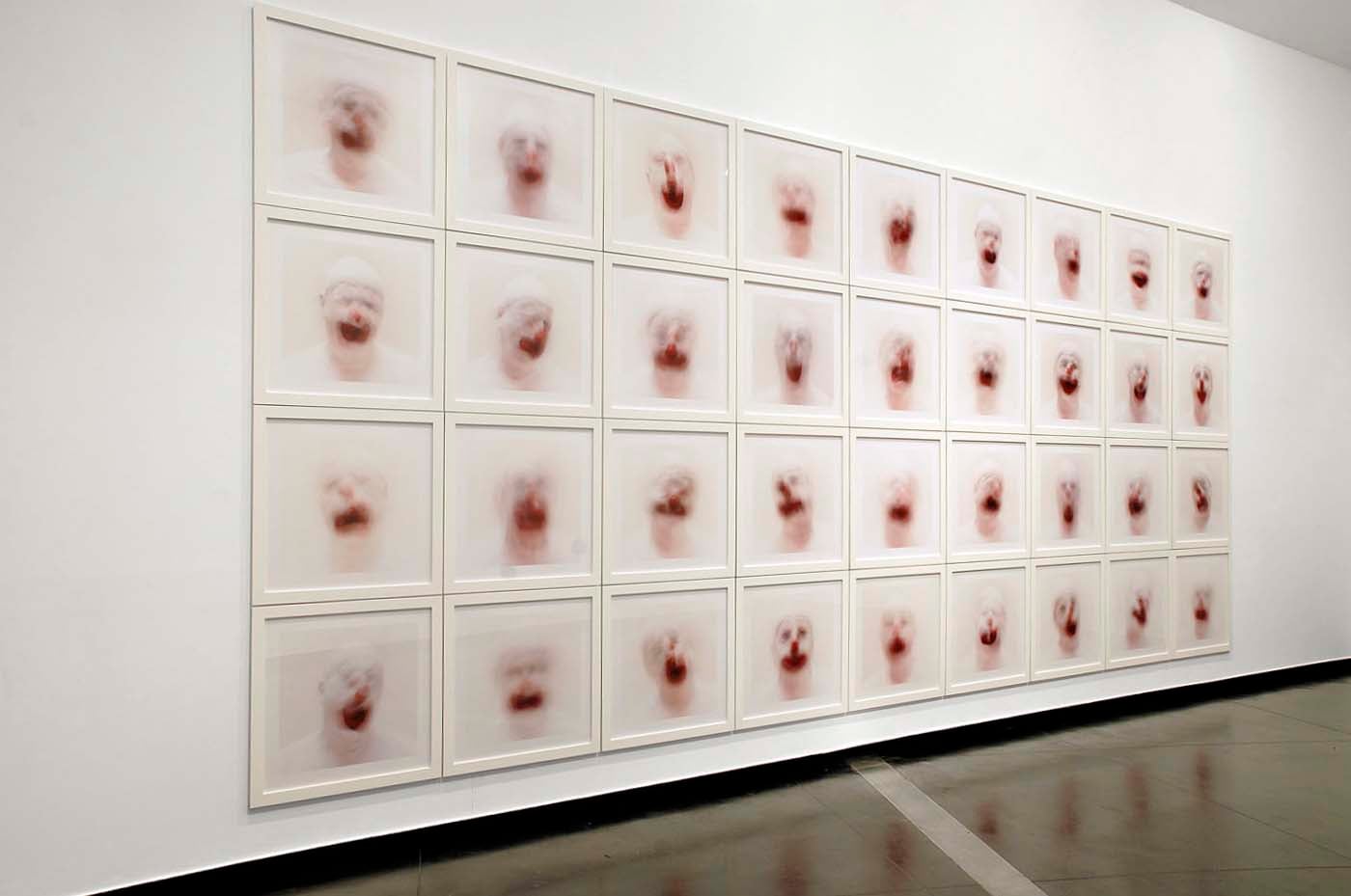
Cabinet of / 2001-2002
-
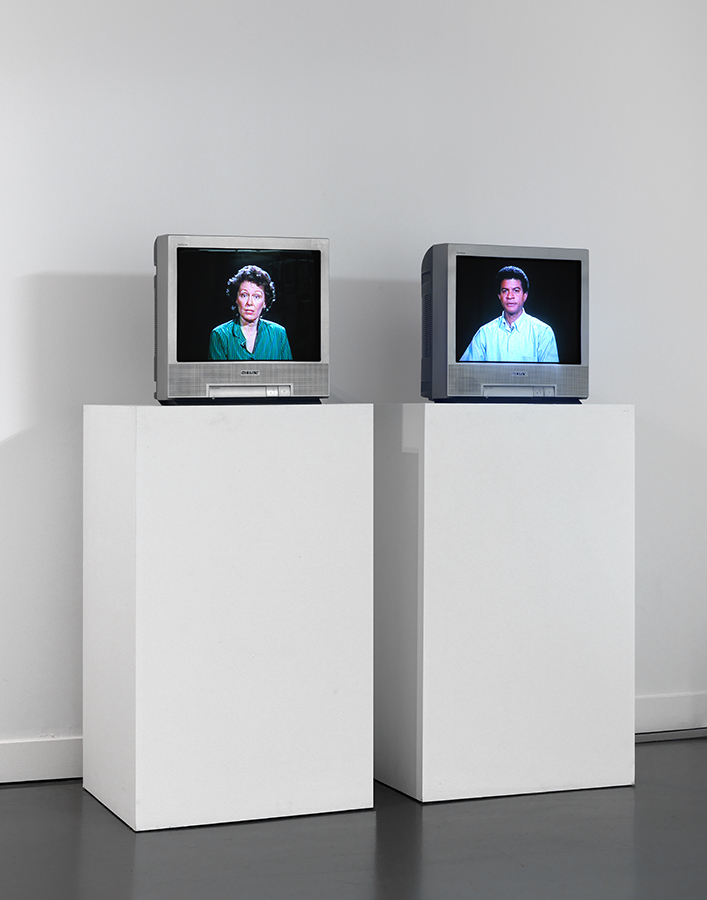
Good Boy Bad Boy / 1985
-
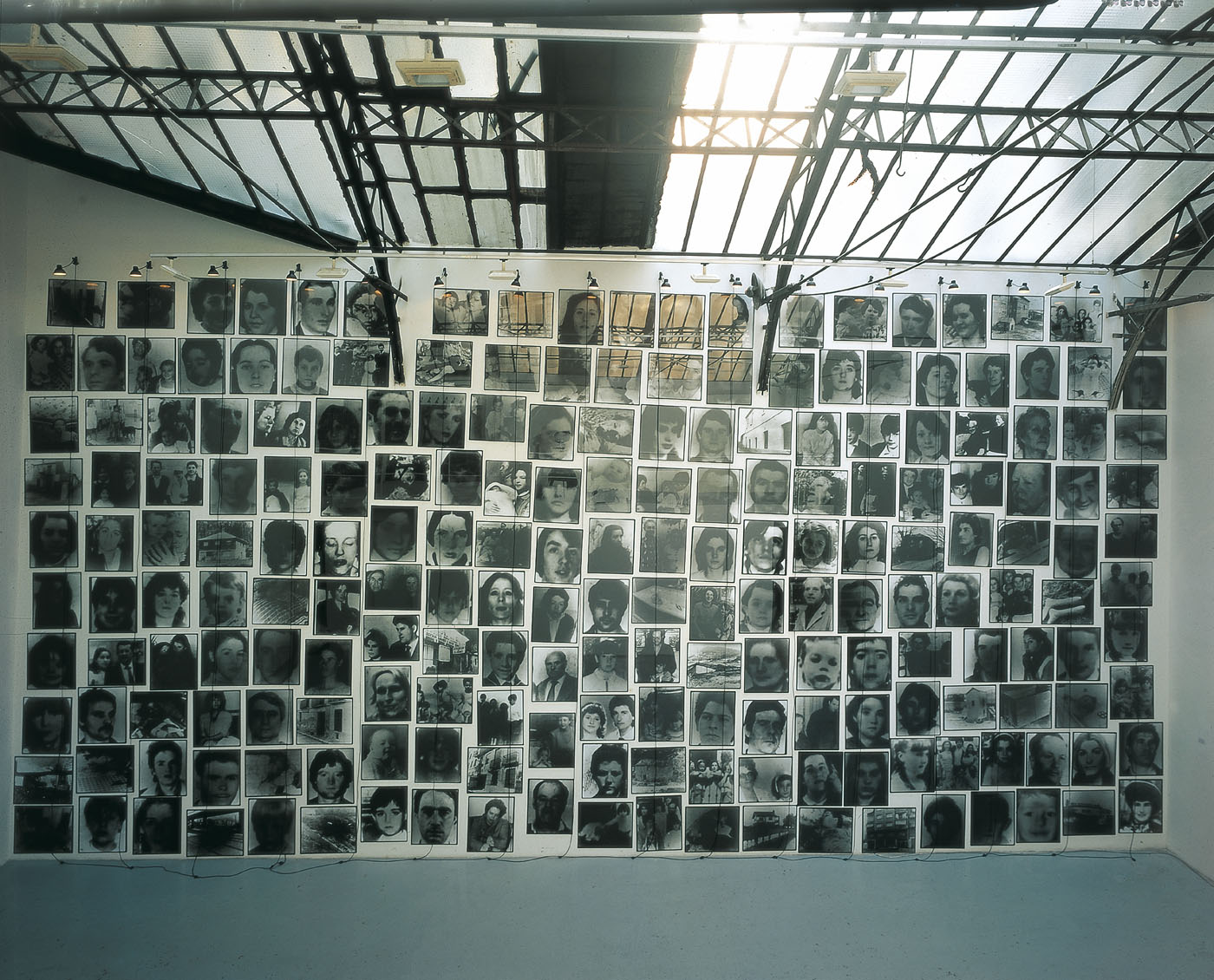
The 1987 Archives of El Caso Newspaper / 1989
-
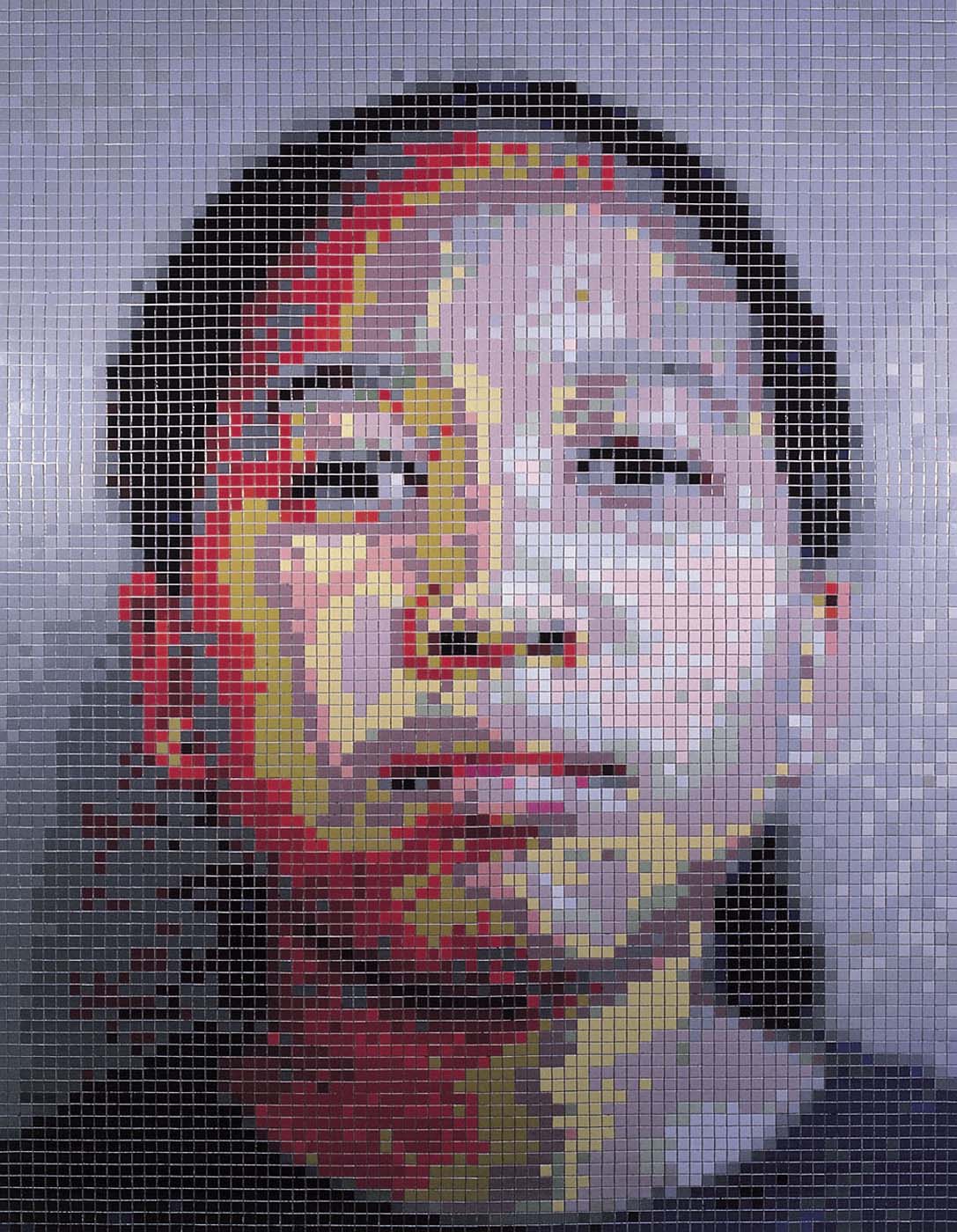
Amber Smoot / 1998
-
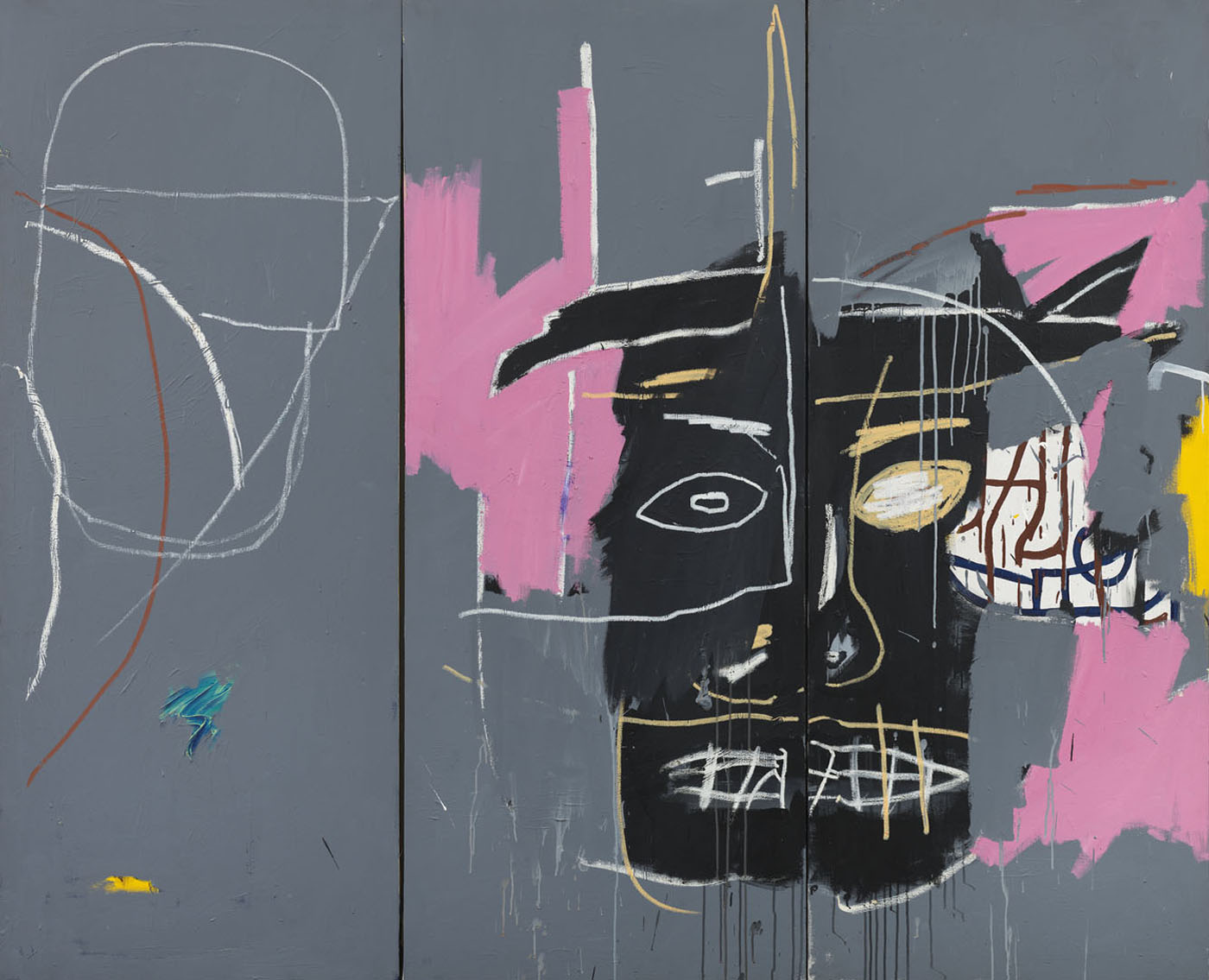
Beast / 1983
-
Vondelpark, Amsterdam, May 12, 2006 / 2006
-
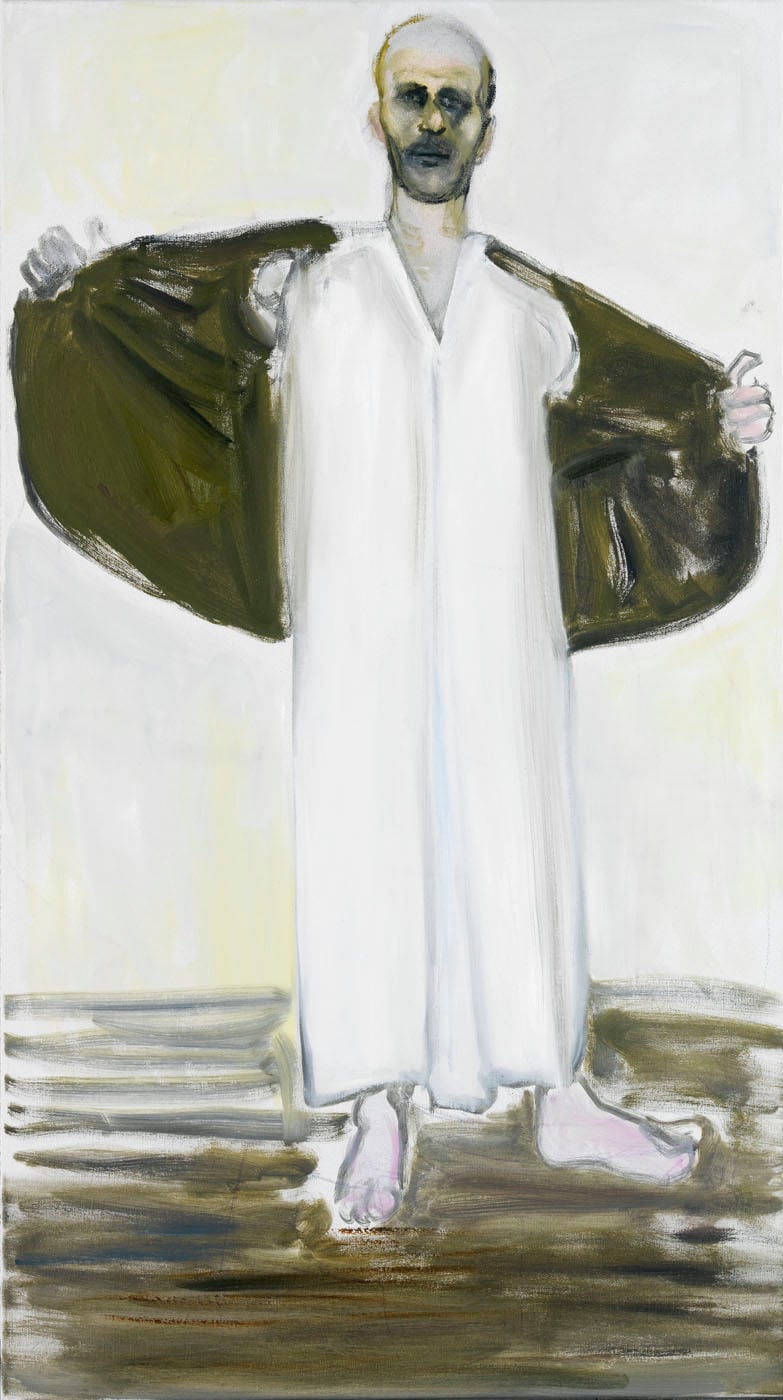
The Prophet / 2004
-
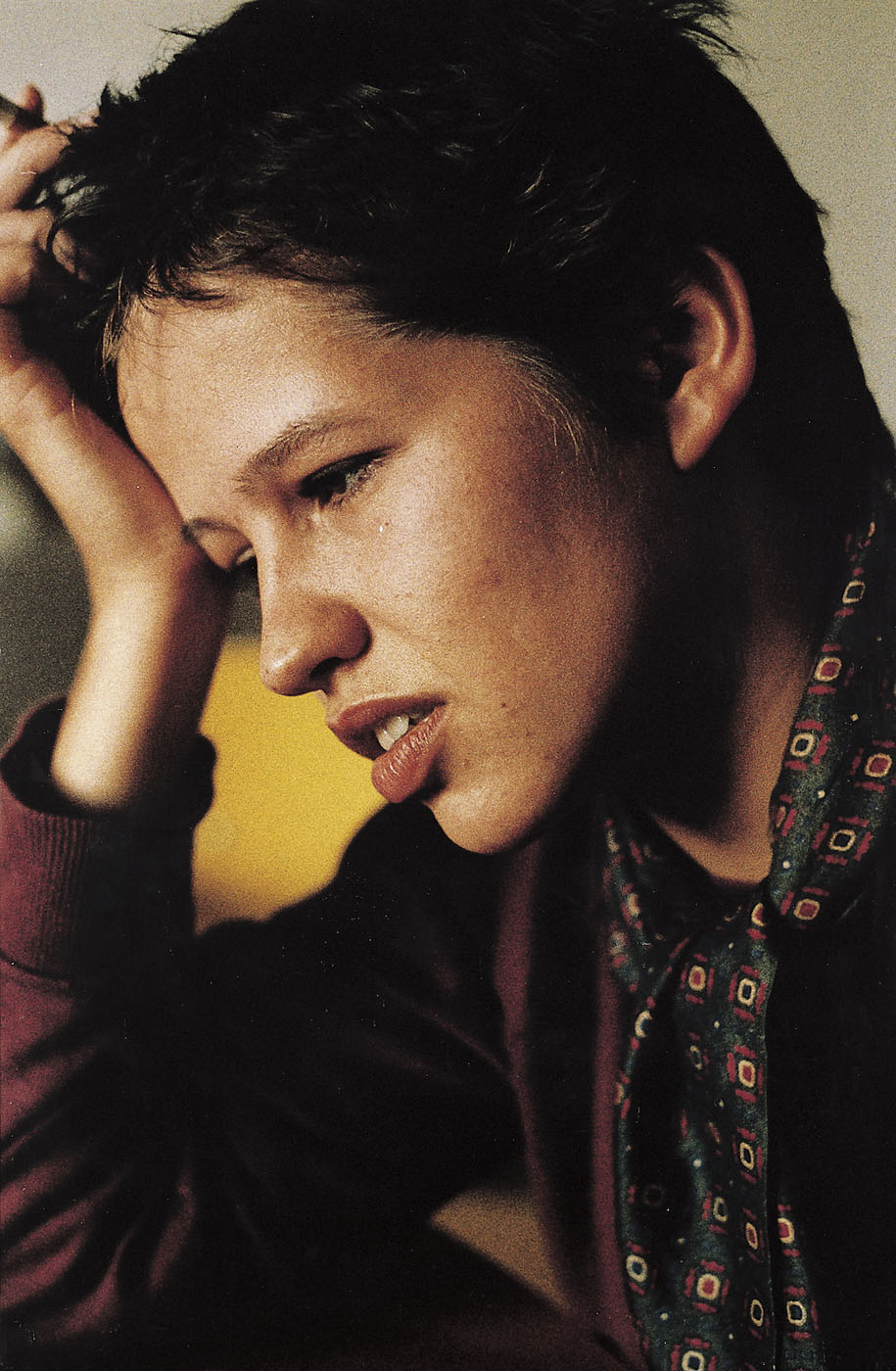
Eva / 1983
-
1962 - 1929 / 1995-1996
-
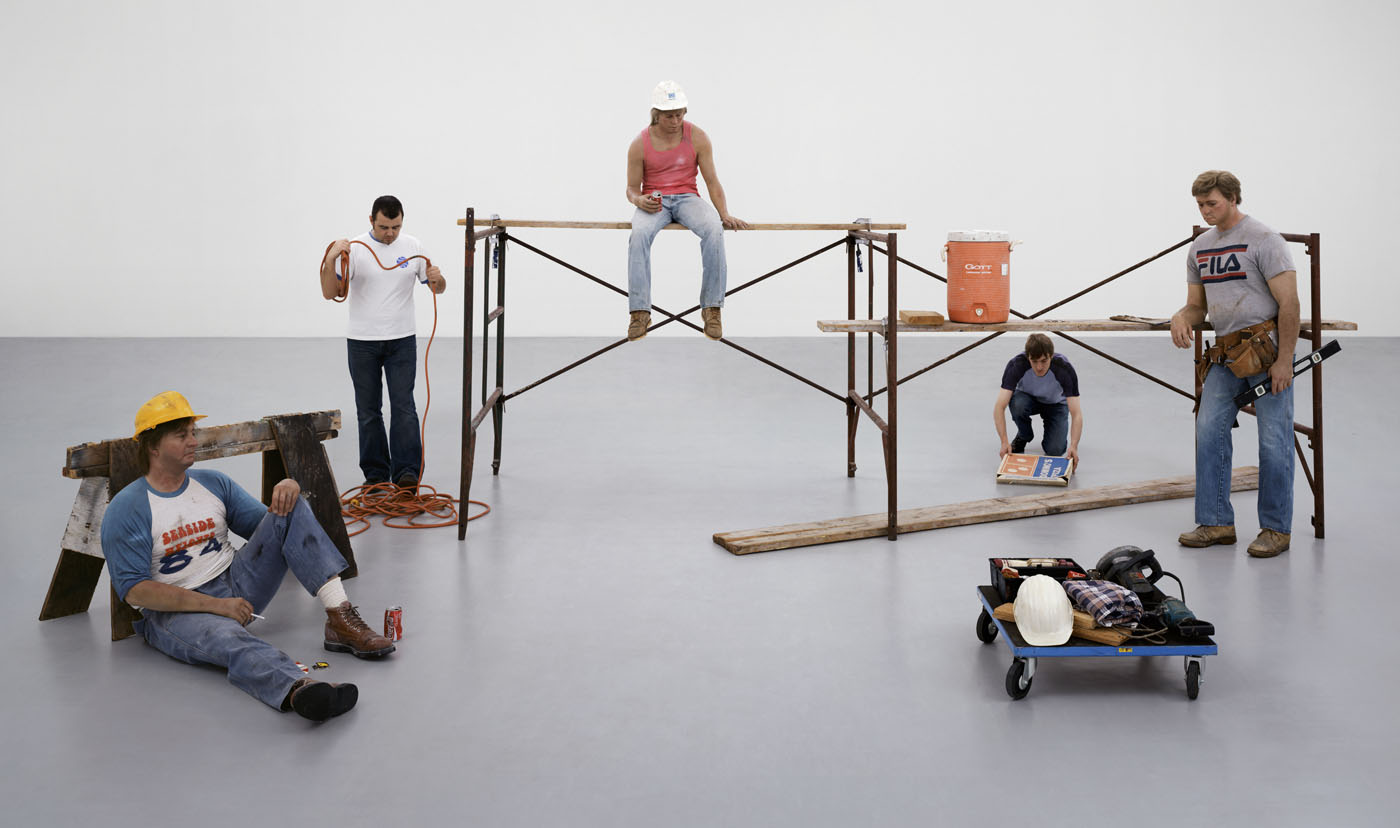
Lunch Break installation, Duane Hanson: Sculptures ... / 2003
-
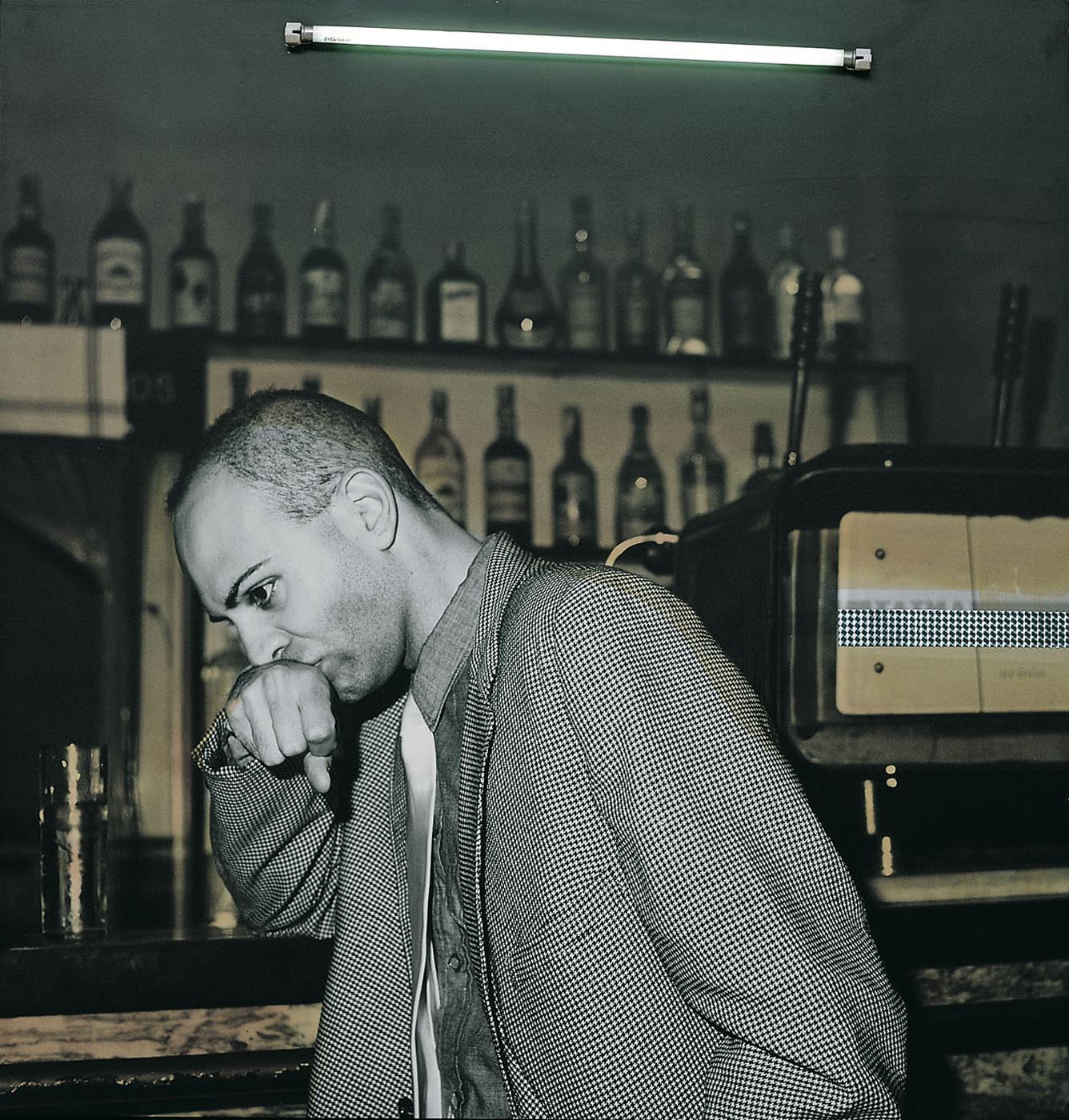
Milonga / 1980
-
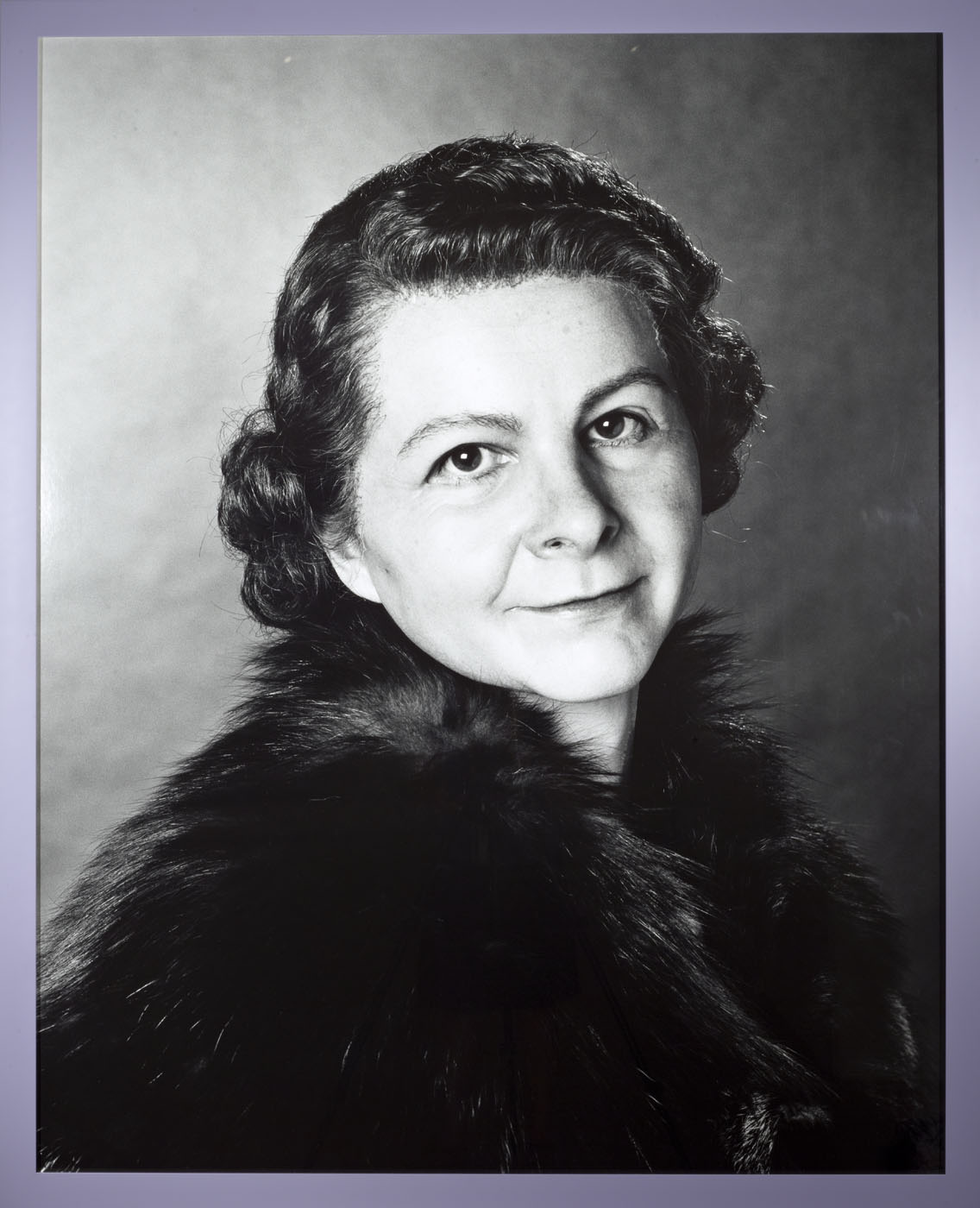
Self Portrait as My Grandmother Nancy Gregory / 2006
-
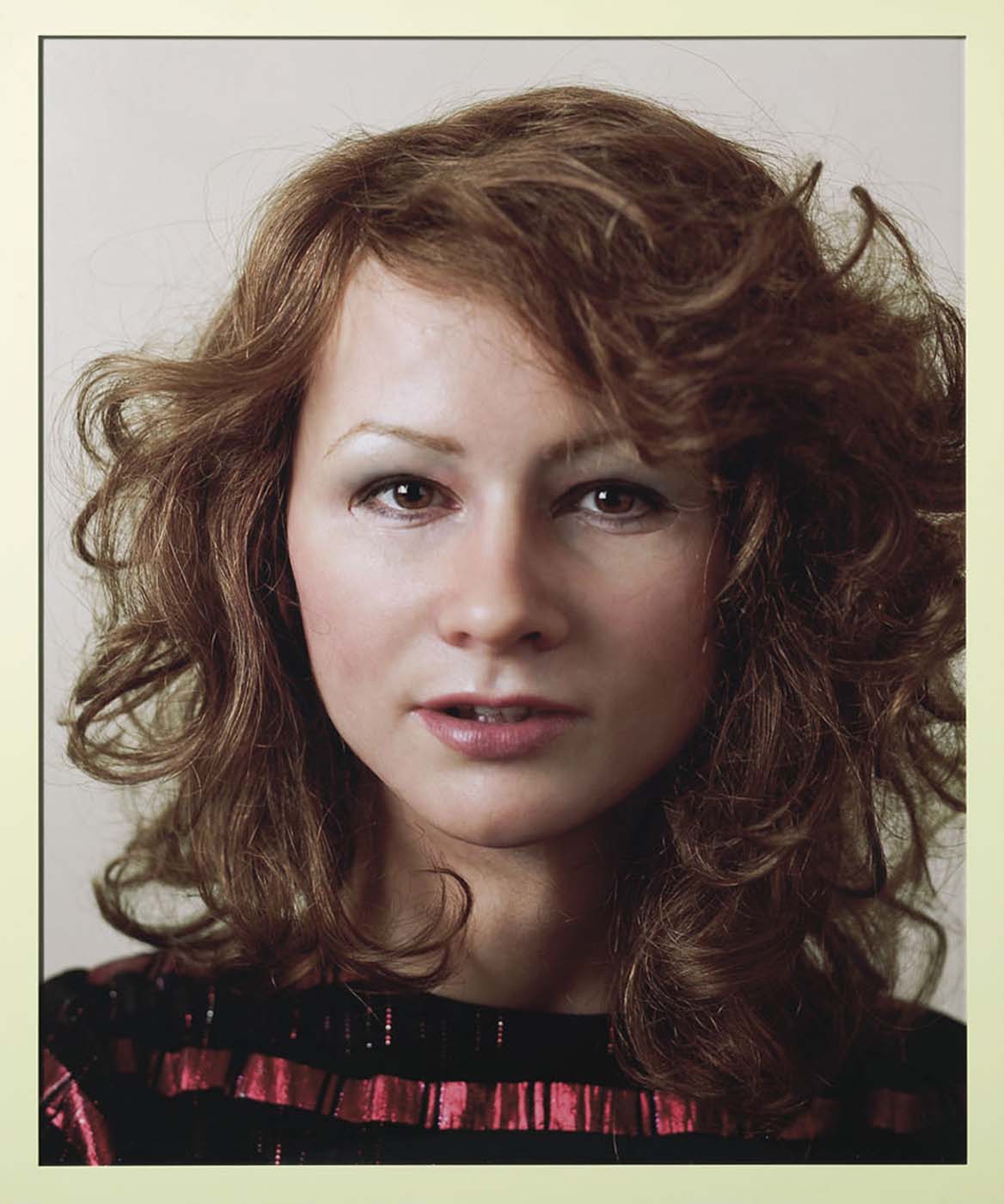
Self Portrait as my Sister Jane Wearing / 2003
-
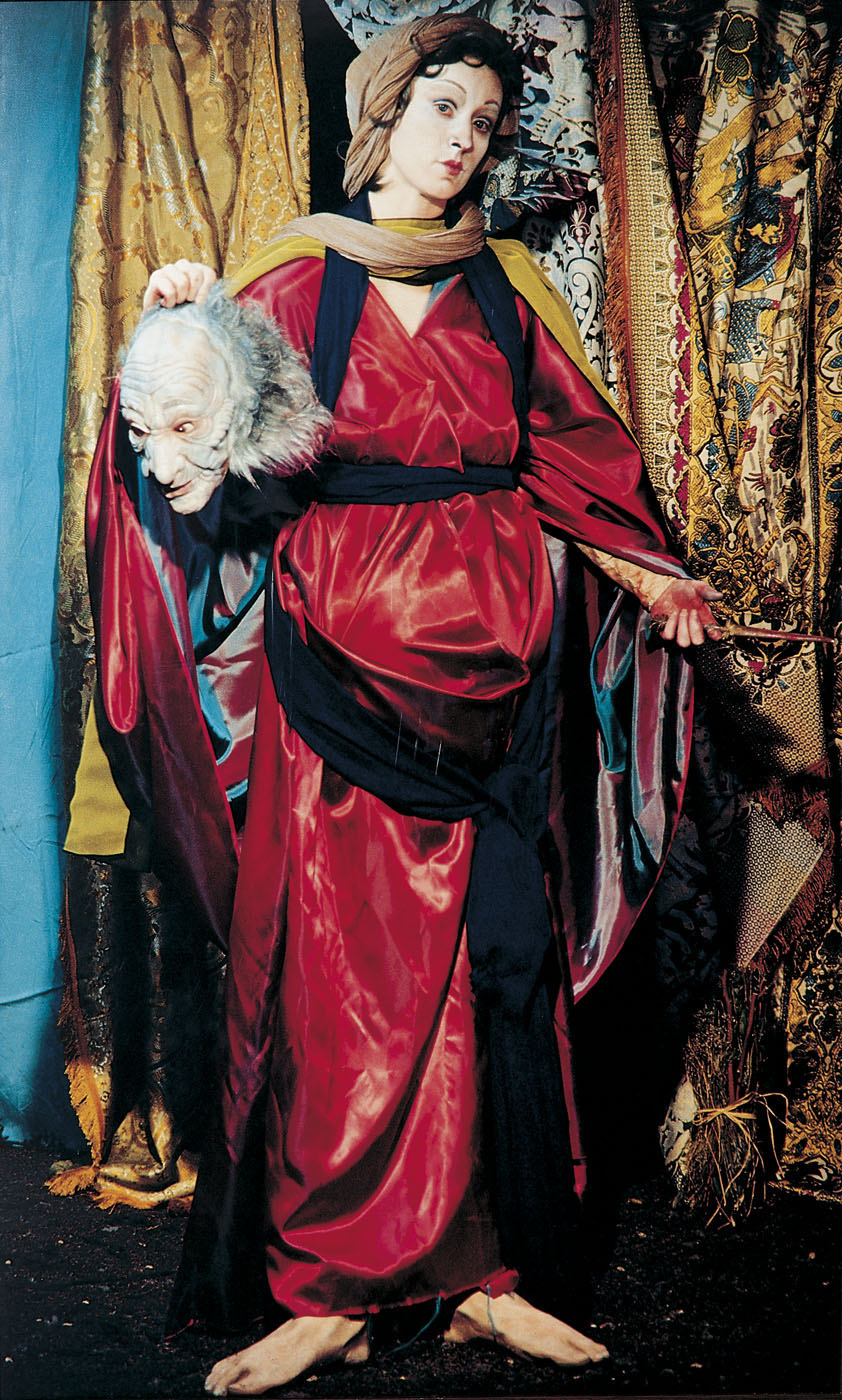
Untitled No. 228 / 1990
-
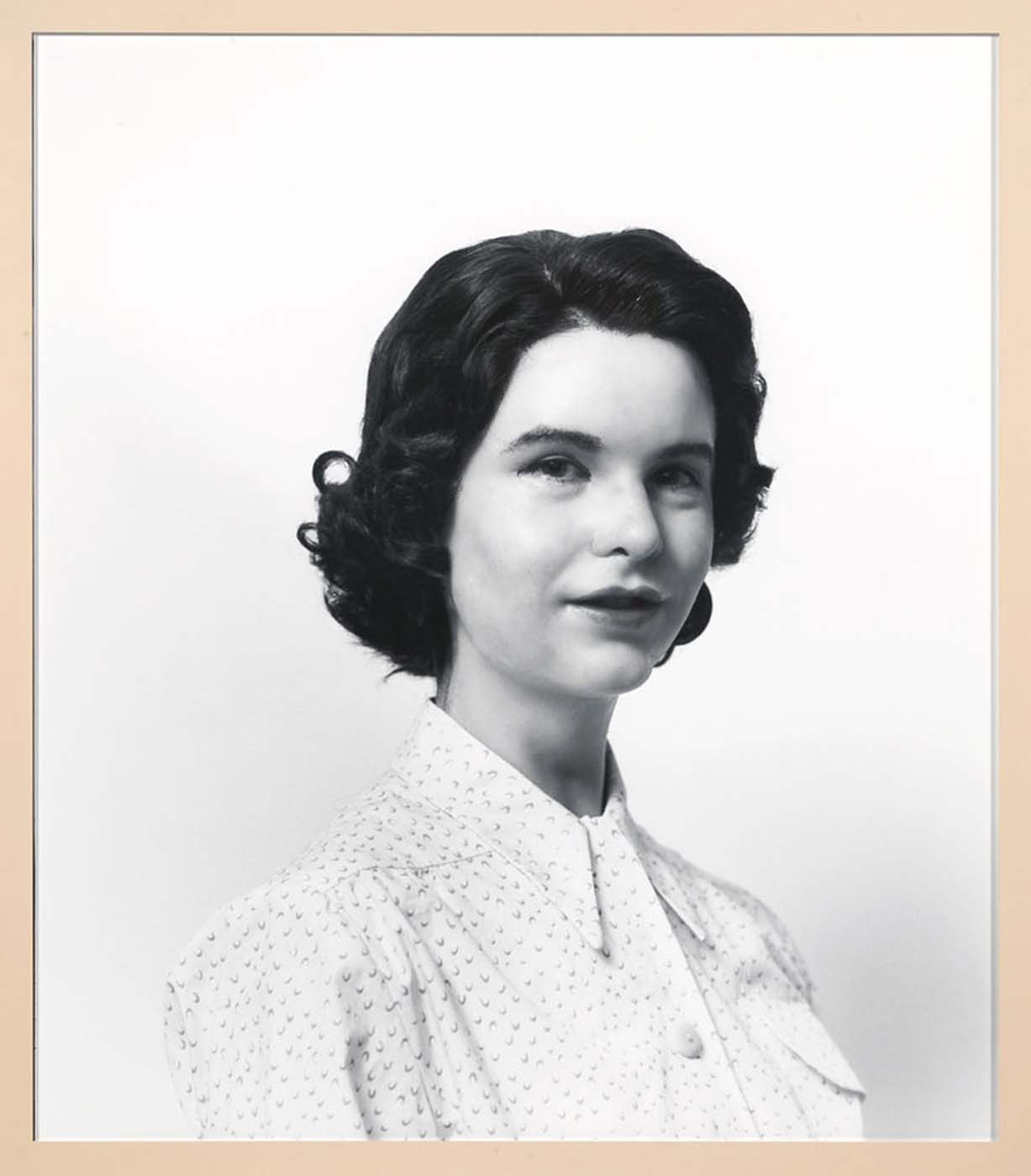
Self Portrait as my Mother Jean Gregory / 2003
-
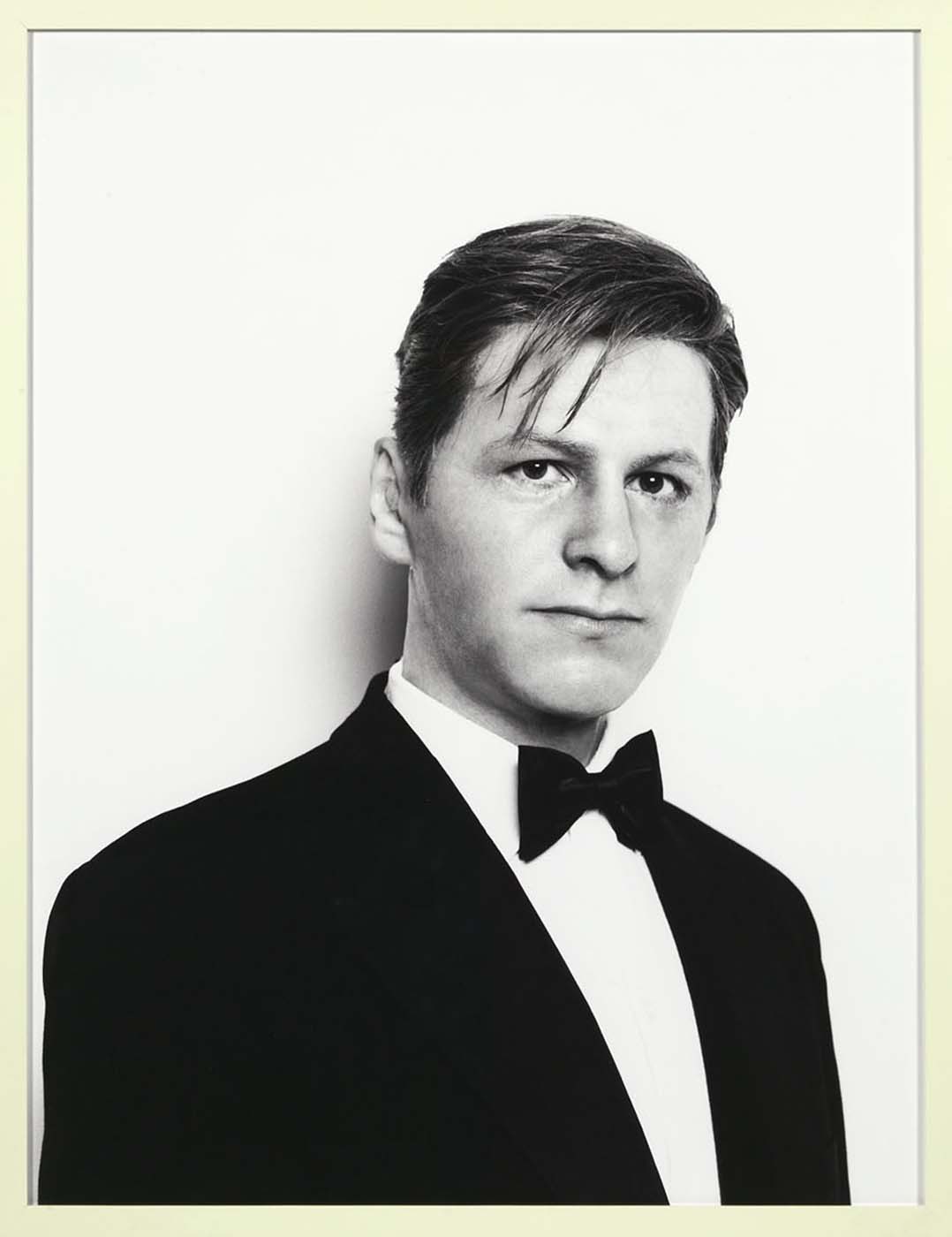
Self Portrait as my Father Brian Wearing / 2003
-
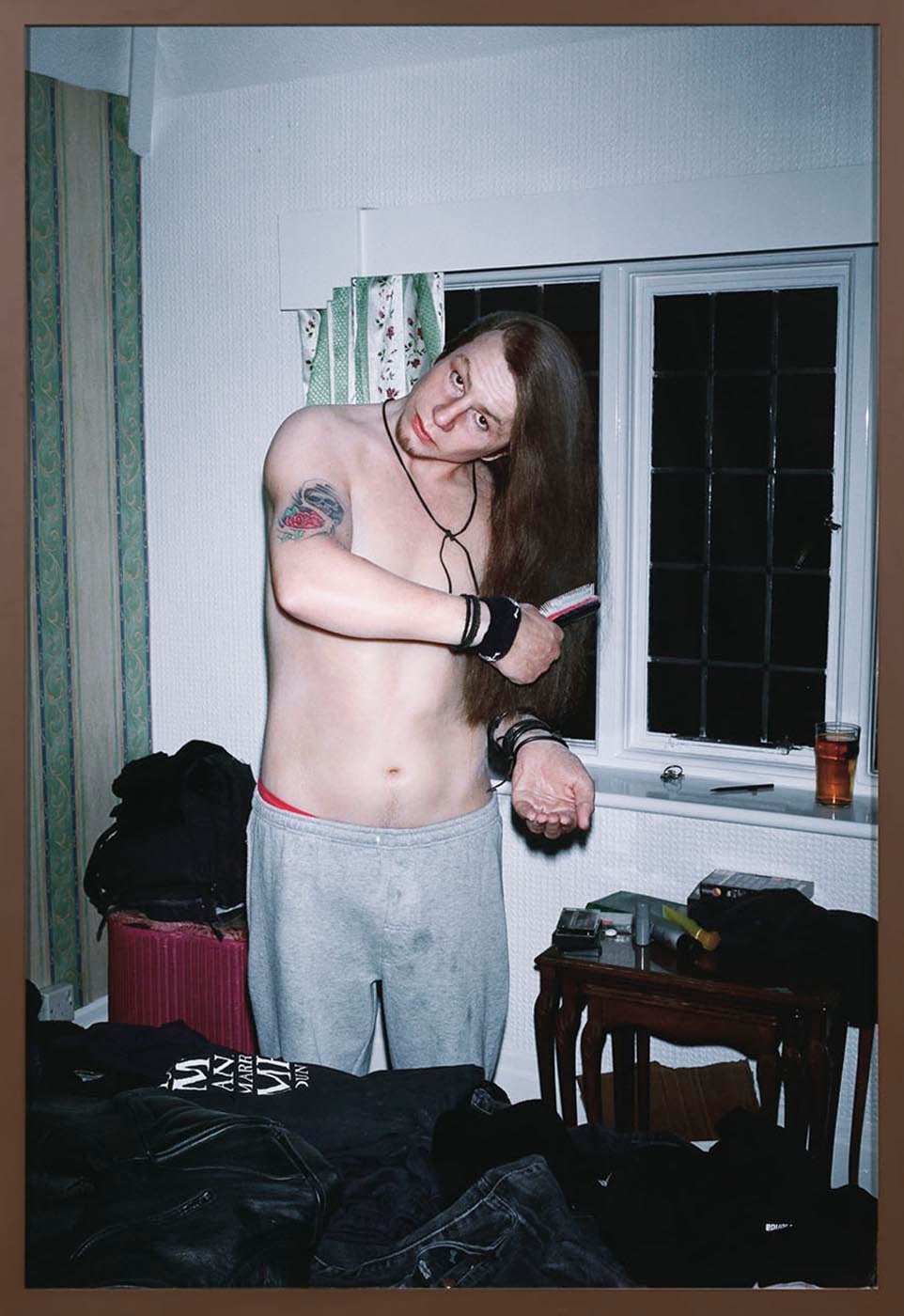
Self Portrait as my Brother Richard Wearing / 2003
-
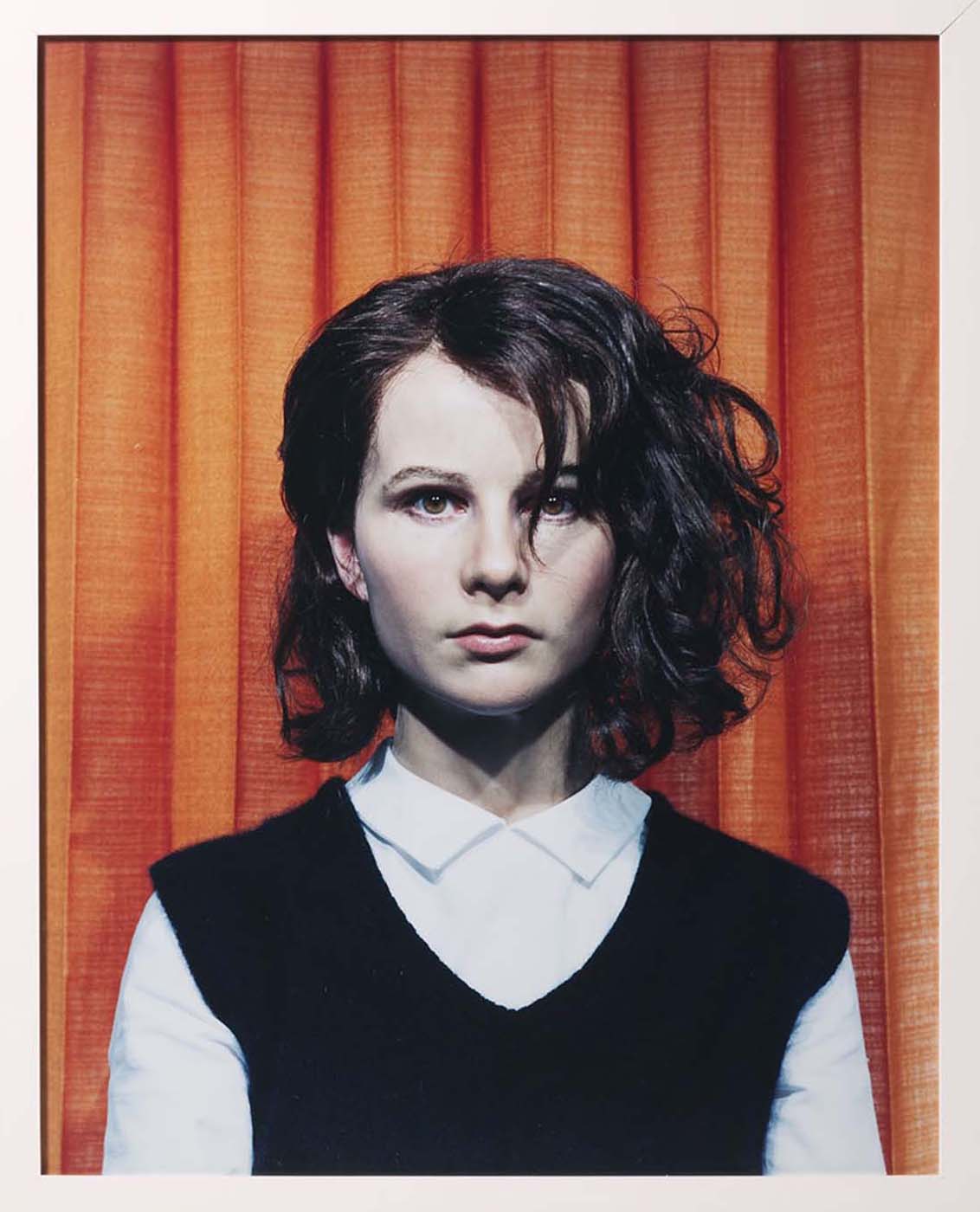
Self Portrait at 17 Years Old / 2003
-
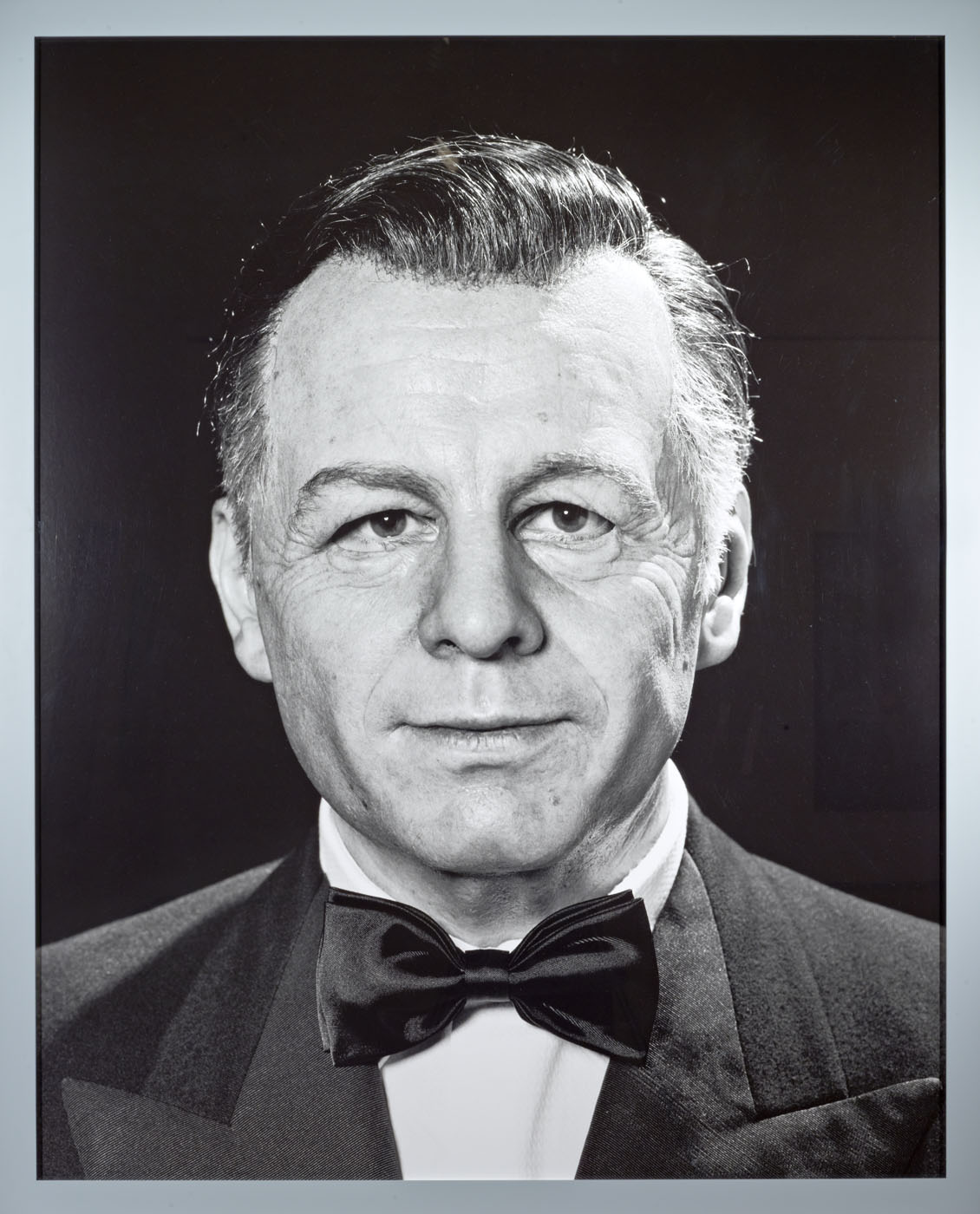
Self Portrait as My Grandfather George Gregory / 2006
-
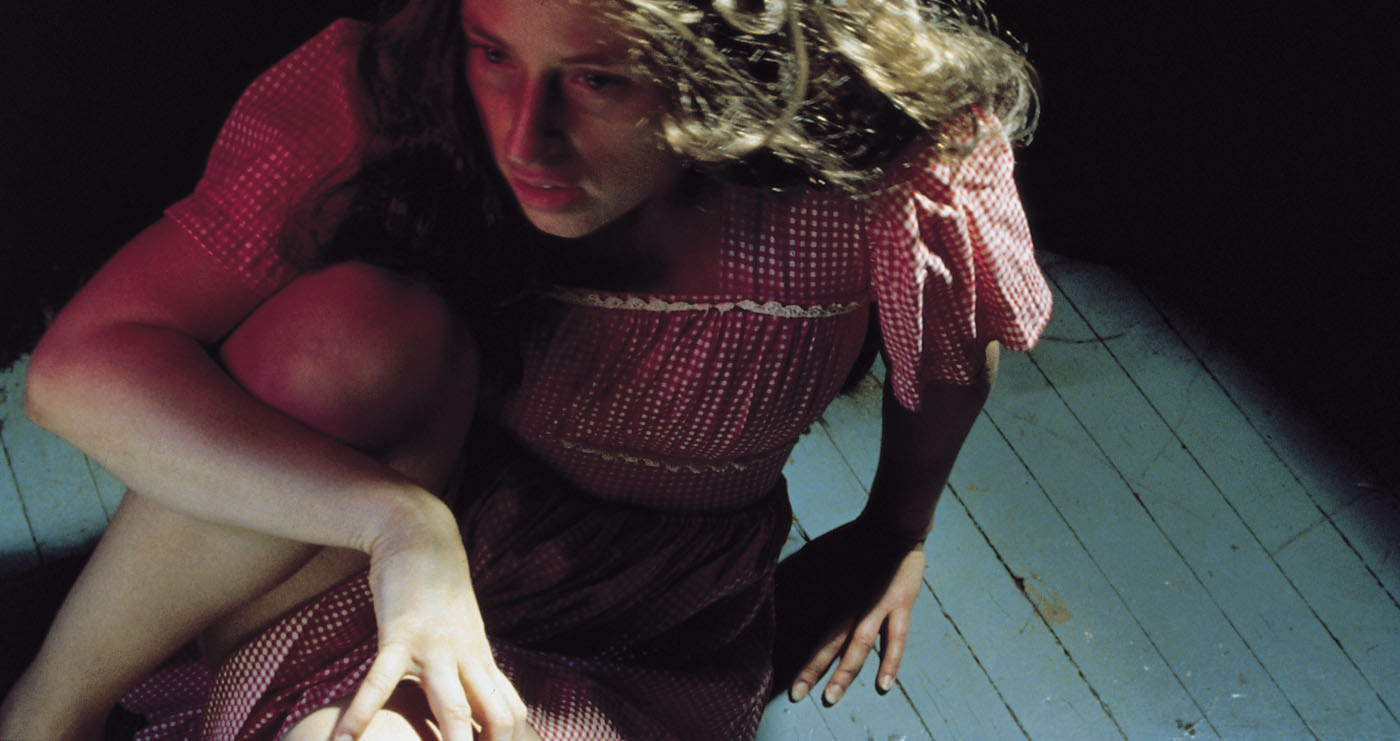
Untitled No. 85 / 1981
-
Untitled / 2019


