

Conversation Piece
19/05/2017 - 17/09/2017
Galleria Nazionale d’Arte Moderna e Contemporanea, Rome
The classical architecture of the Galleria Nazionale welcomes this
Under the title Conversation Piece, name derived from a sculptural ensemble by Juan Muñoz, the exhibition translates on the museum stage dialectics and relations between a dozen-odd works by artists with different poetic voices. As suggested by the expressive gestures of Muñoz's three characters, the show has the assertiveness of dialogue, but also that of contrast and intrigue, and is driven by the search for revelatory meaning. The interaction between the works follows a specific pattern, established on the one hand by the continuous quiet of the Minimalist aesthetic, and on the other by the threefold relationship between architecture, sculpture and the human figure.
The subtle, delicate horizontal bands by Agnes Martin and the material density of Richard Serra's black surface contain traces of the formalist vocabulary of Minimalism. The geometric principle underlying these paintings is tempered by spaces of light and intervals of stillness interwoven in the mesh of waves of silvery light from the monochromatic landscape depicted by Joan Hernández Pijuan, and in the existentialist silence evoked by Antoni Tàpies in the bareness of his white painting.
Donald Judd's Minimalist sculpture bridges the gap between his generation and that of later artists who would subject the movement's formal paradigm – the box – to all kinds of deconstructions and variations in order to reintroduce a sense of the real in art and a meaning that connects it to society. Rachel Whiteread re-materialises architecture's empty spaces, returning art to lived spaces, while the exquisite architectural units by Fernanda Fragateiro, who also mediates skilfully in spaces, evoke the utopias that have steered art towards social issues. In their turn, the mock-ups by Thomas Schütte move away from the orthodoxy of Minimalism towards an imaginary architecture that opens spaces up to fiction and to reflections on social organisation. The sense of unreality of these mock-ups is as intriguing as the one generated by Muñoz's three extraordinary characters with their depersonalised faces, hybrids between people and sacks. Their presence evokes a premonition of human finitude, of a world that is gradually becoming unnatural, like the 3D reproduction made by Julião Sarmento of Edgar Degas's ballerina. The dancer portrayed by the Portuguese artist has greater realism, particularly as regards its form and eroticism, and yet this incarnation of the small sculpture is disquietingly artificial, almost dehumanised. Jana Sterbak, on the other hand, starts from actual action, from the here and now. There is no space for fiction either in her performance or in her subject matter, although there is of course theatricality, as she resorts to different narrative strategies to stage fragility, the dangers and difficulties of human existence. The last work in the show is a video by Spanish artist Ignacio Uriarte, who projects a humorous reflection on the dialectics between human beings and machines. Uriarte filmed actor Michael Winslow flawlessly imitating the sound of thirty typewriters, a feat that could be interpreted as man's desire to imitate technology.
In this exhibition, the formalist interpretation of the geometry of Minimalist art is dispelled by the strength of the experiences, symbolisms and fictions of the works. Form is of course important, but the artists represented here draw on it to support personal poetics and references to the reality of our world. Moreover, the plays on contrast and the affinity between the various artistic proposals displayed in the show trigger multiple readings that, in turn, are able to generate other different readings.

Artworks in the exhibition
-
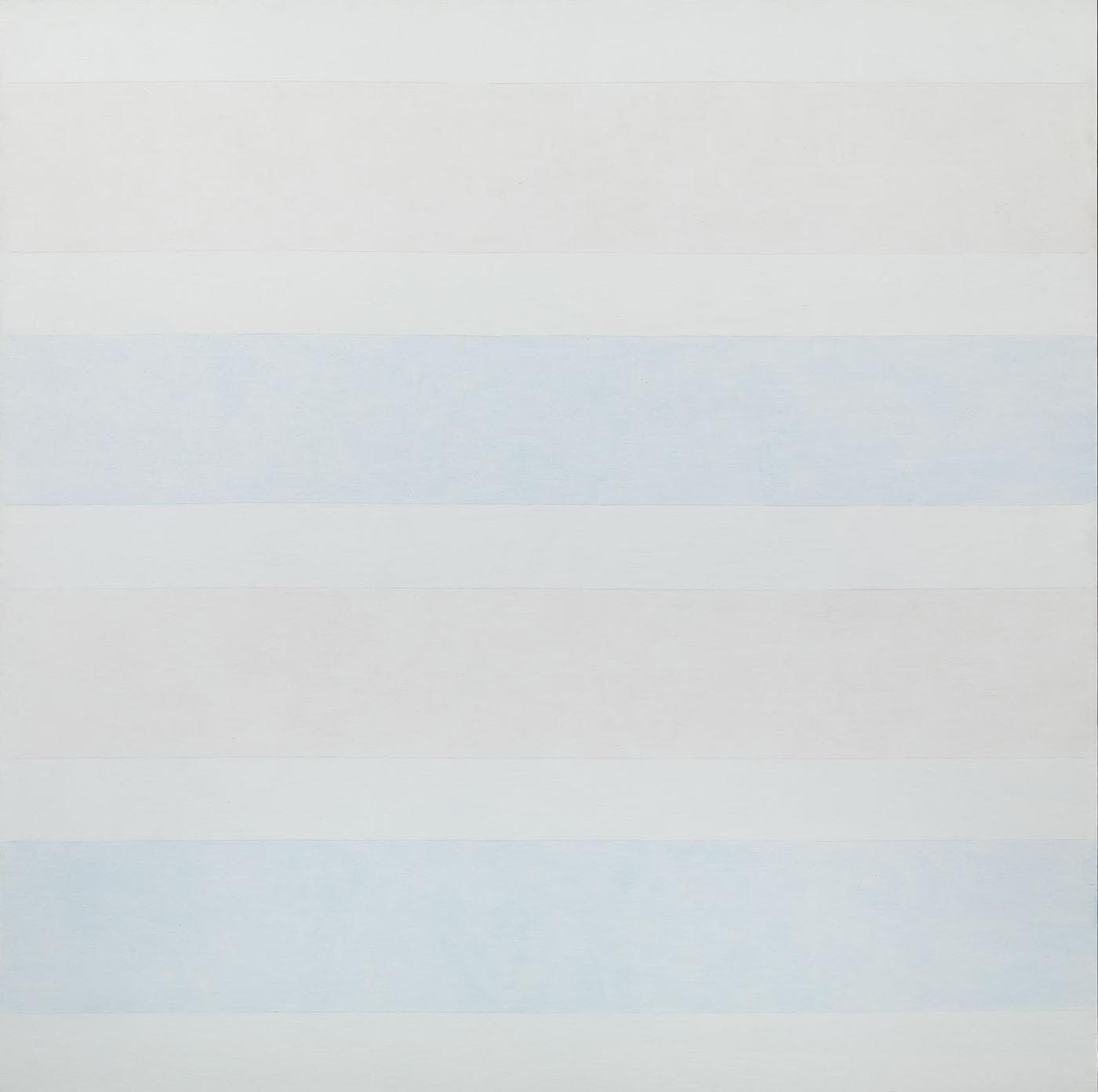
Untitled No. 7 / 1997
-
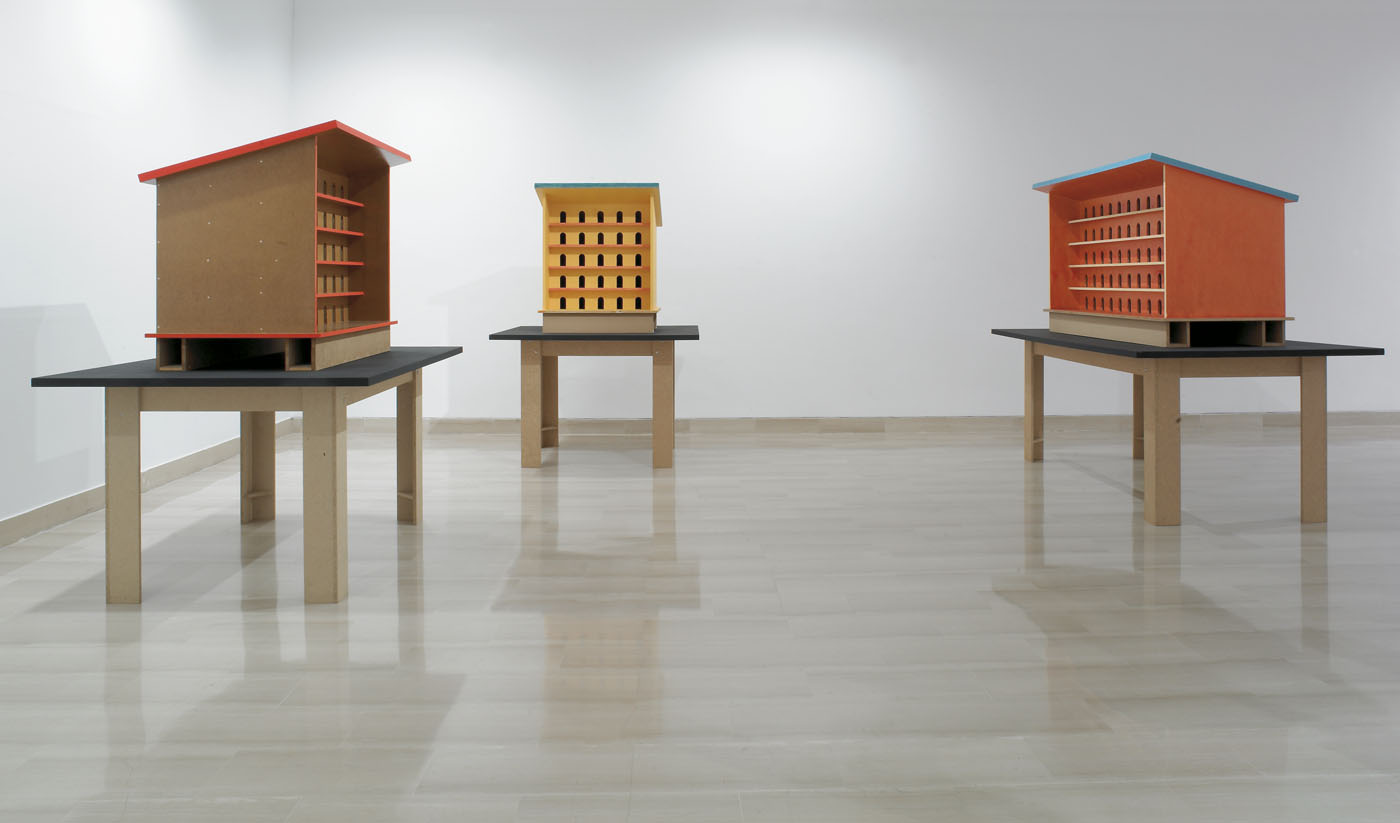
For the Birds / 1997
-
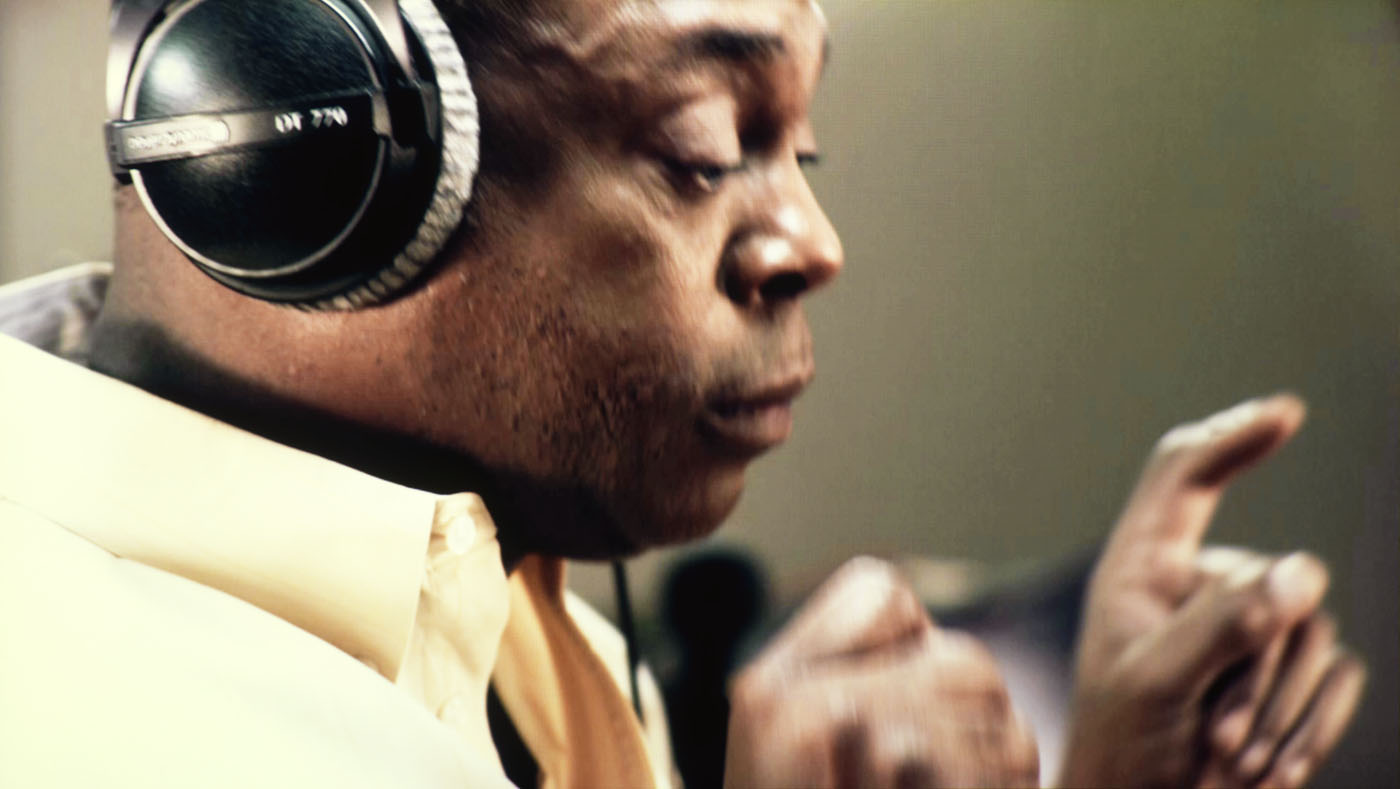
The History of the Typewriter recited by Michael W ... / 2009
-
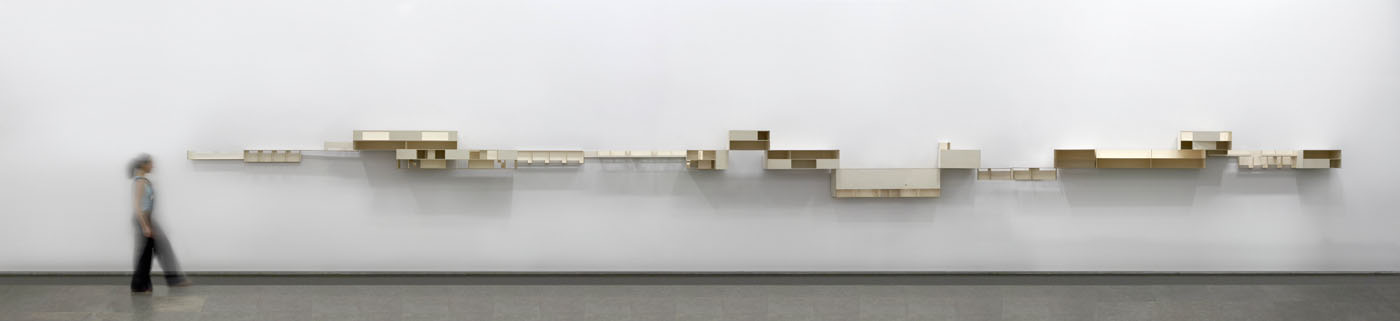
Unbuilt. After Conjunto habitacional em Scalaheen, ... / 2010
-
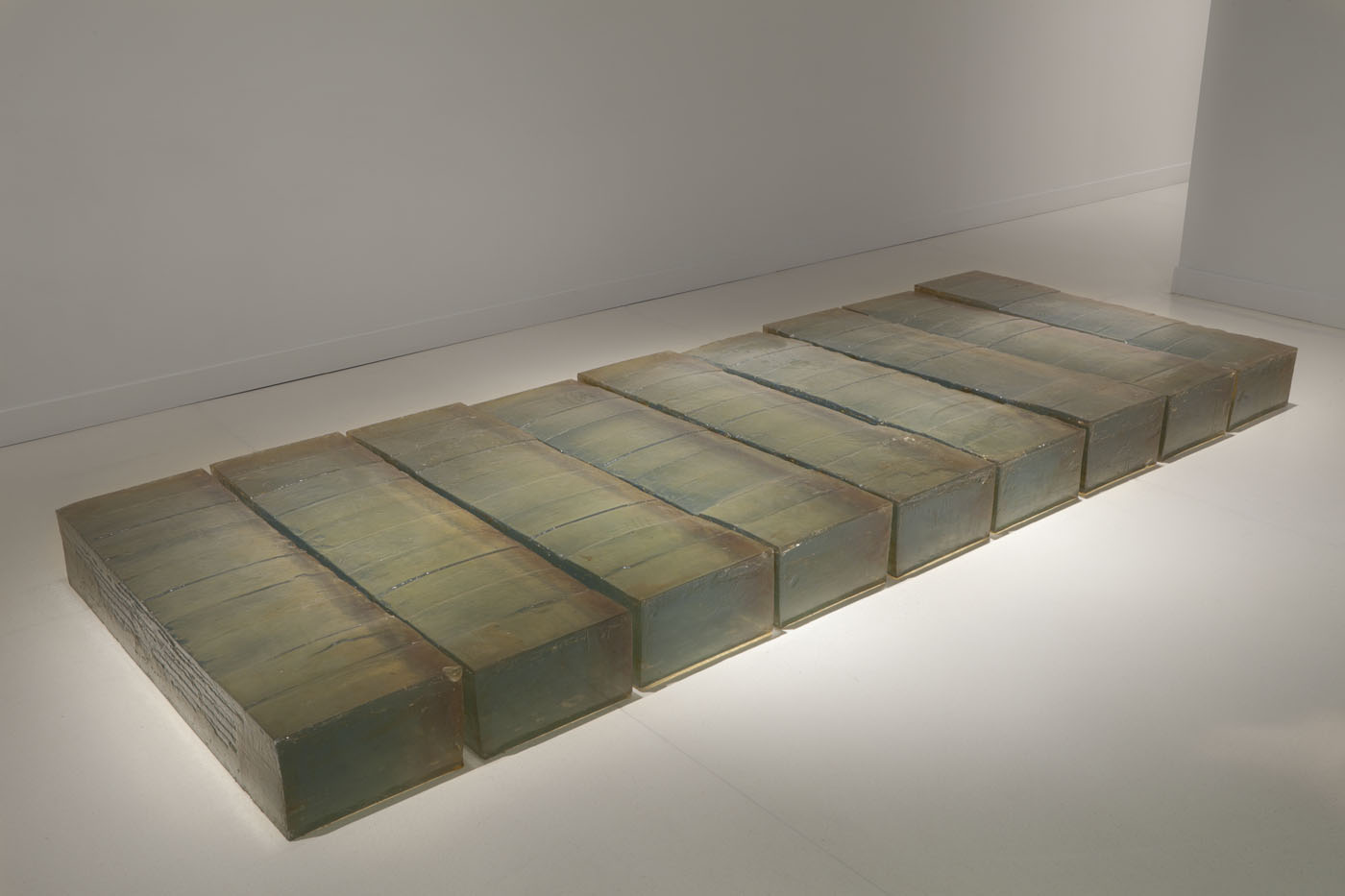
Untitled (Resin Corridor) / 1995
-
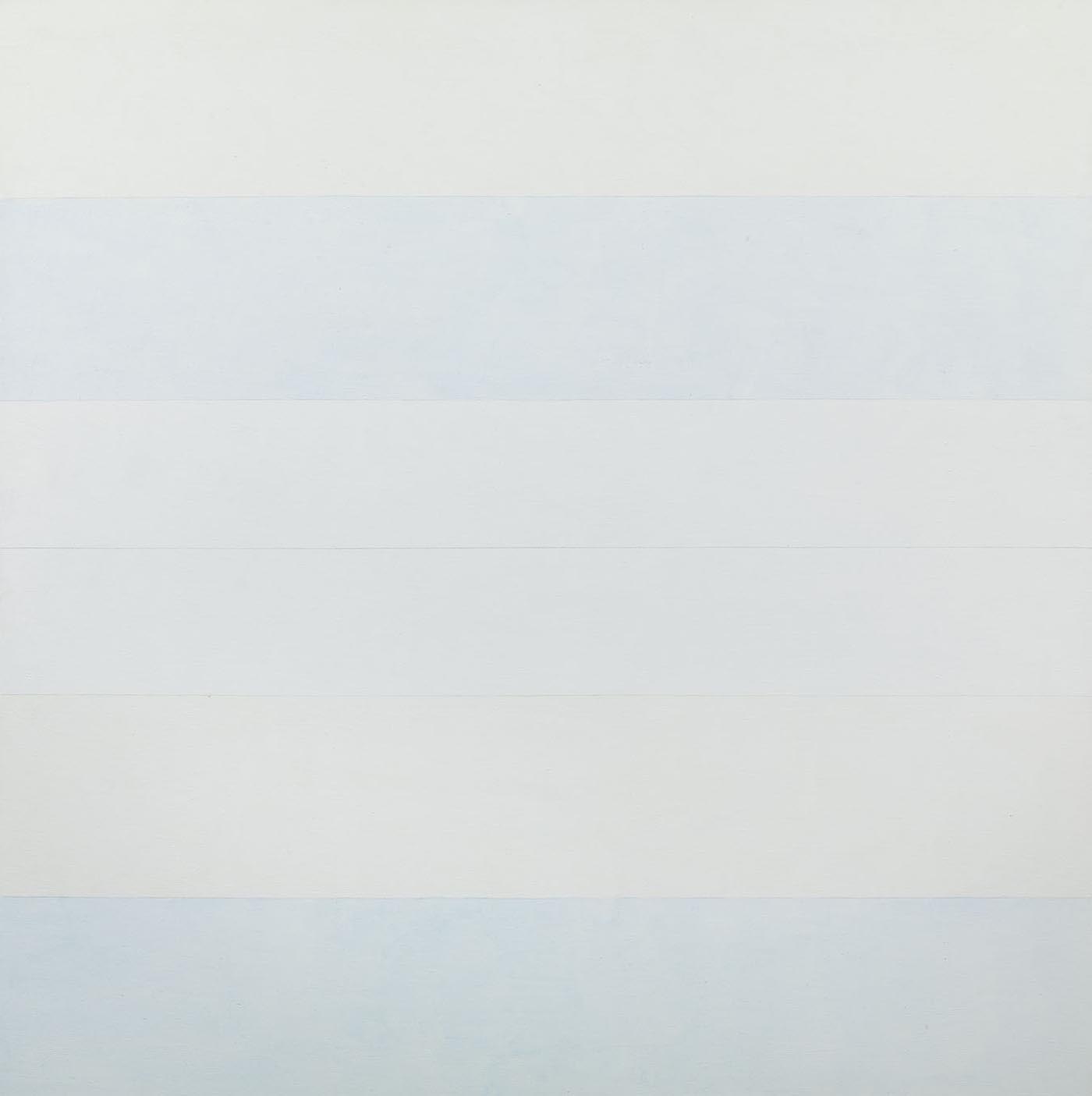
Untitled No. 5 / 1997
-
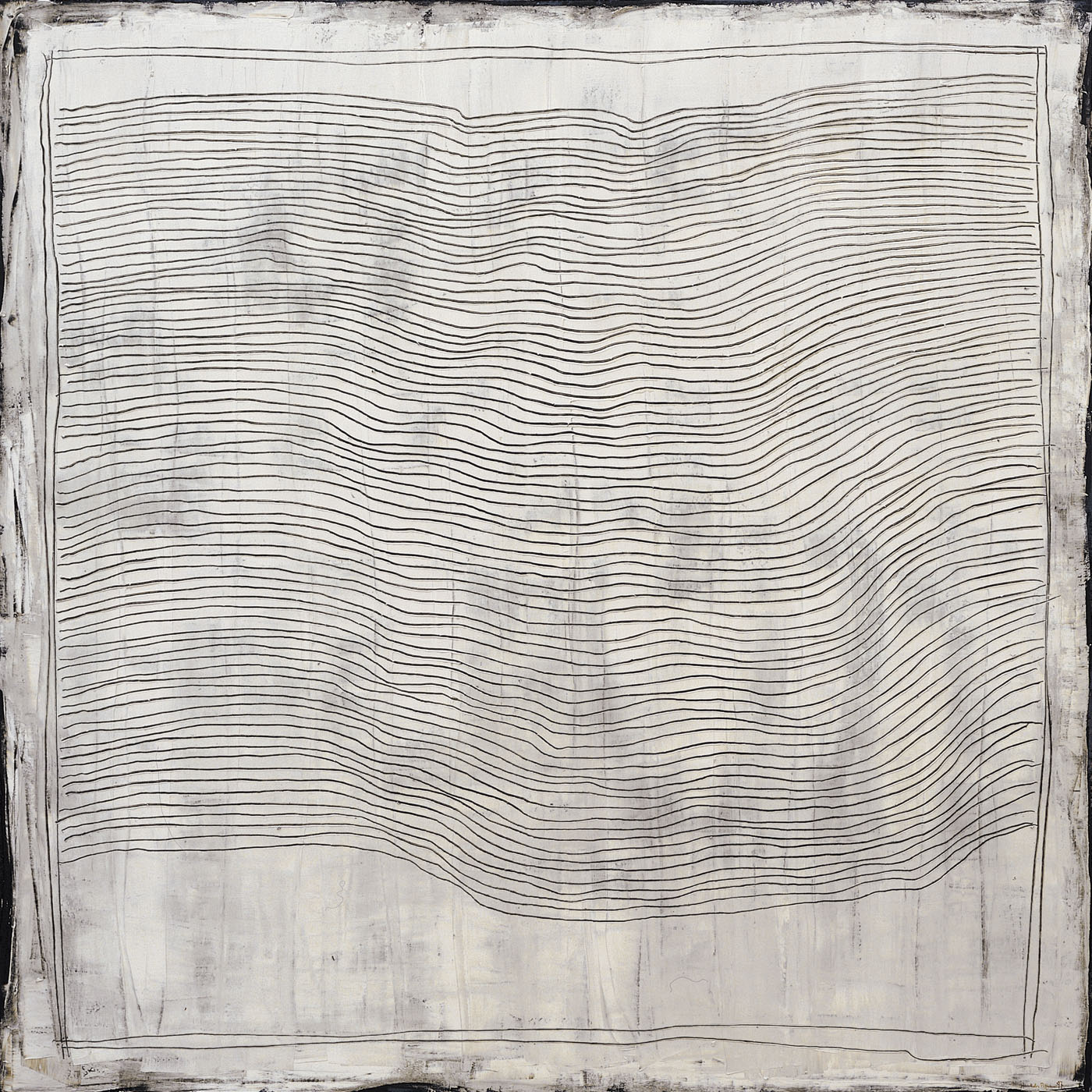
Furrows with Silver Light / 1997
-
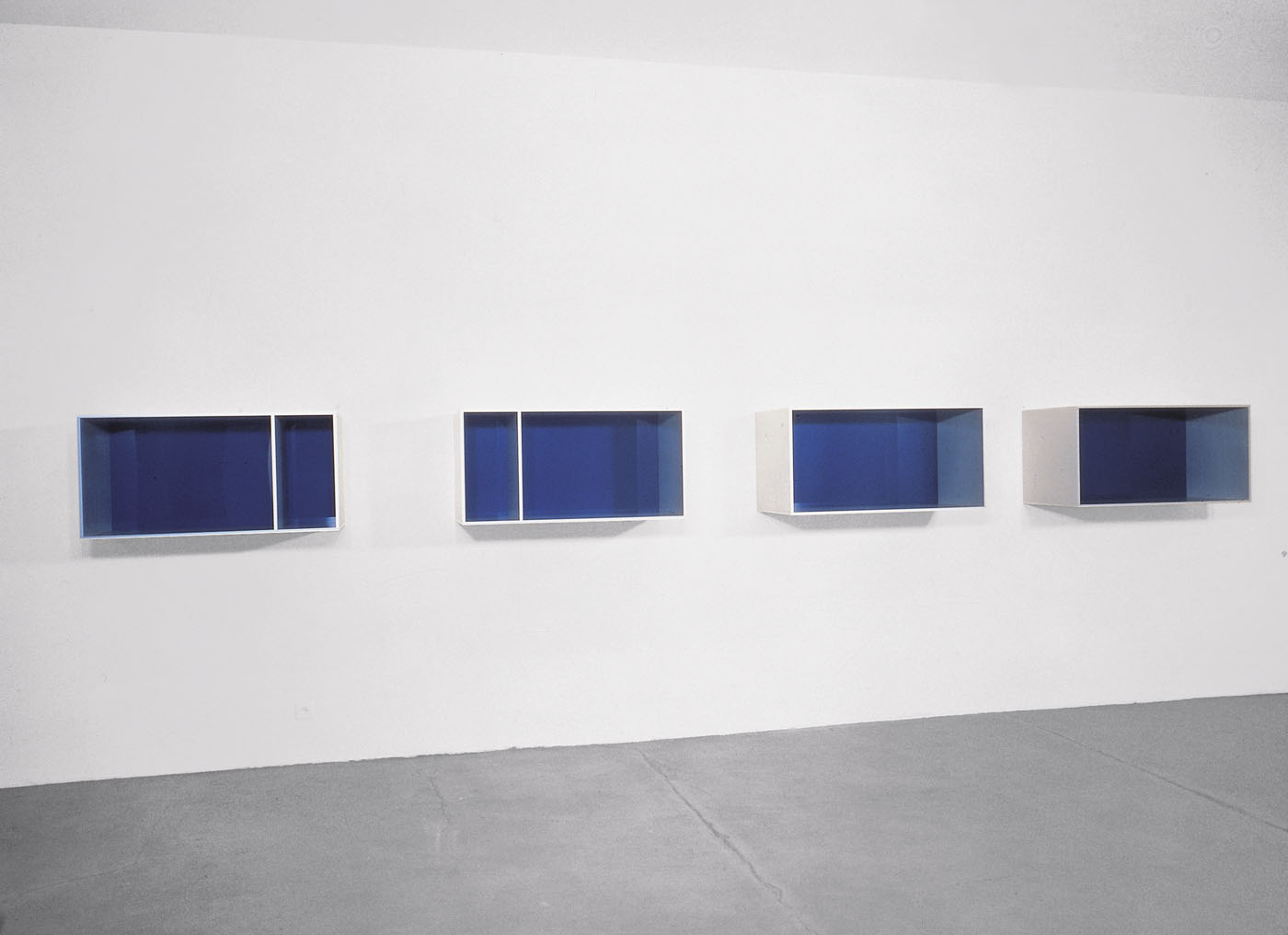
Untitled / 1988
-
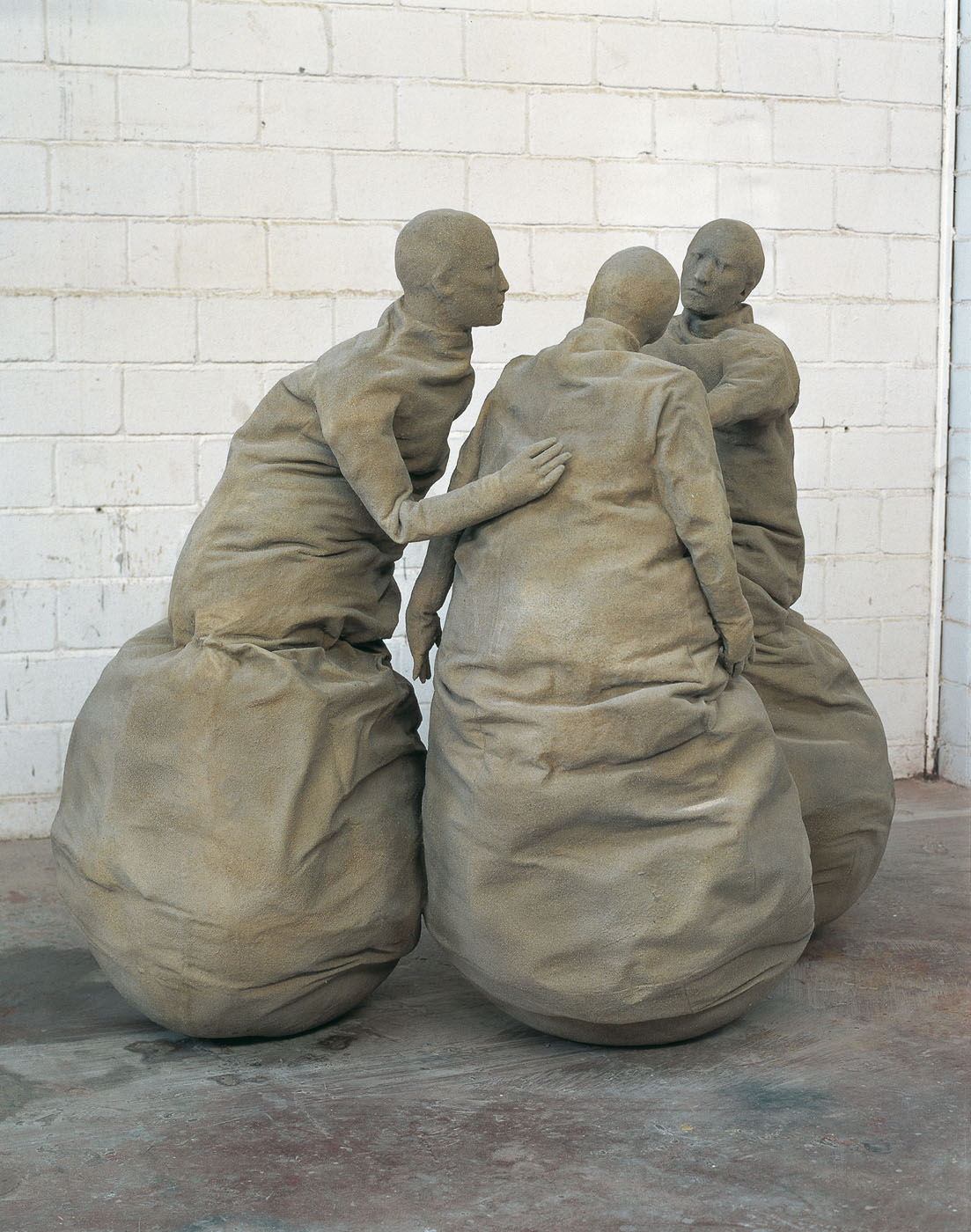
Conversation Piece (Hirshhorn) / 1995
-
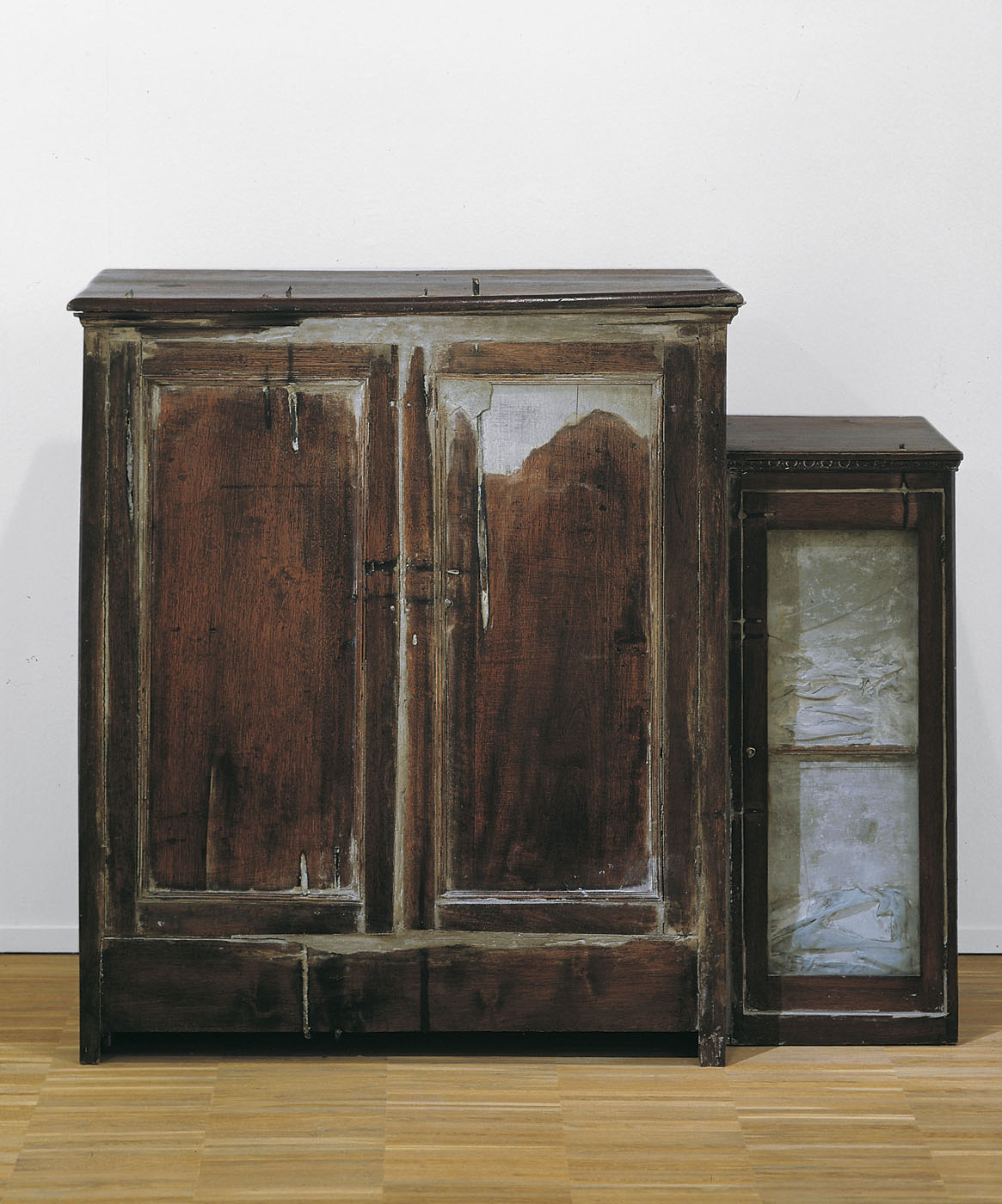
Untitled / 1995
-
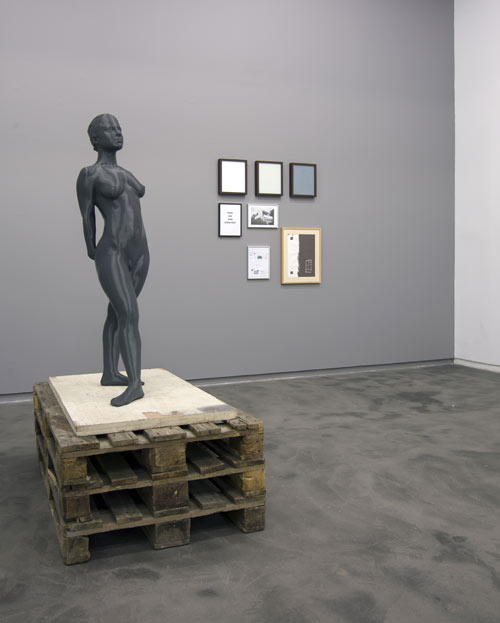
First Easy Piece / 2013
-
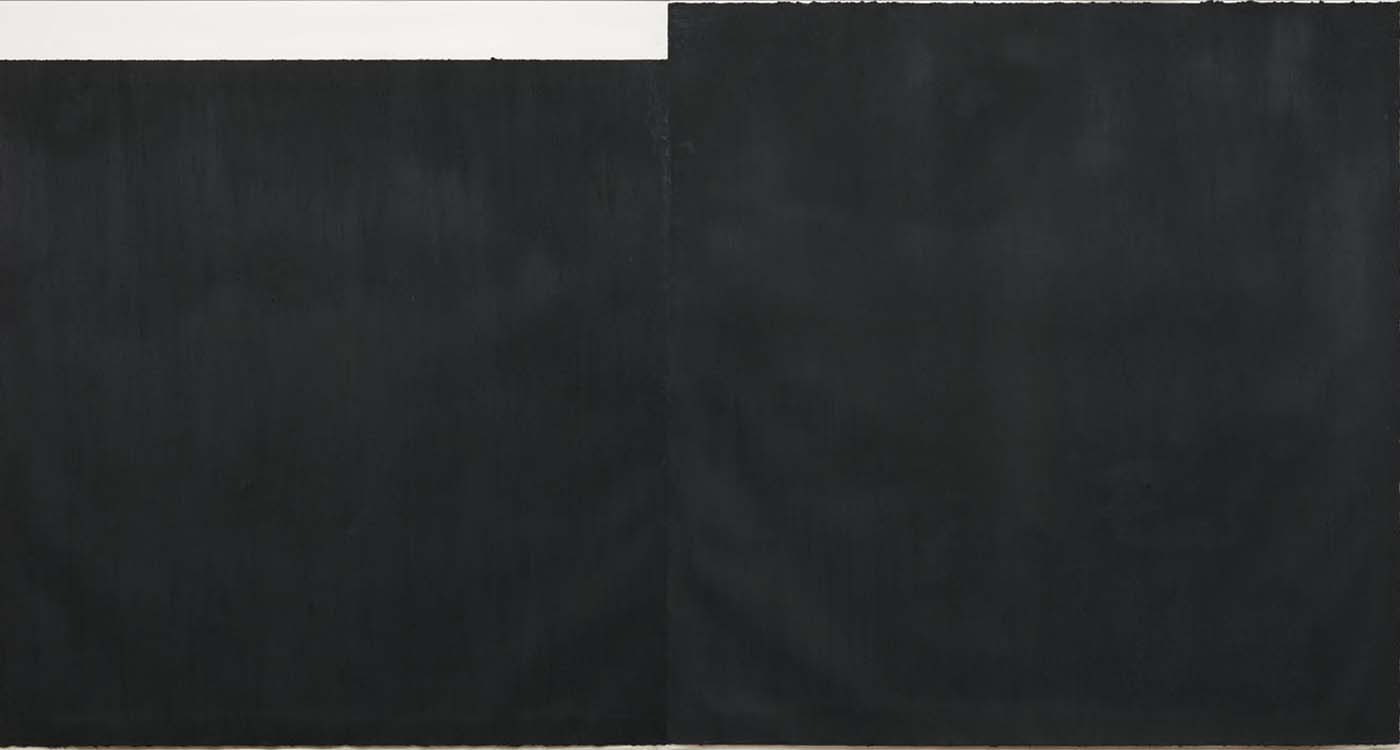
Crosby / 1989
-
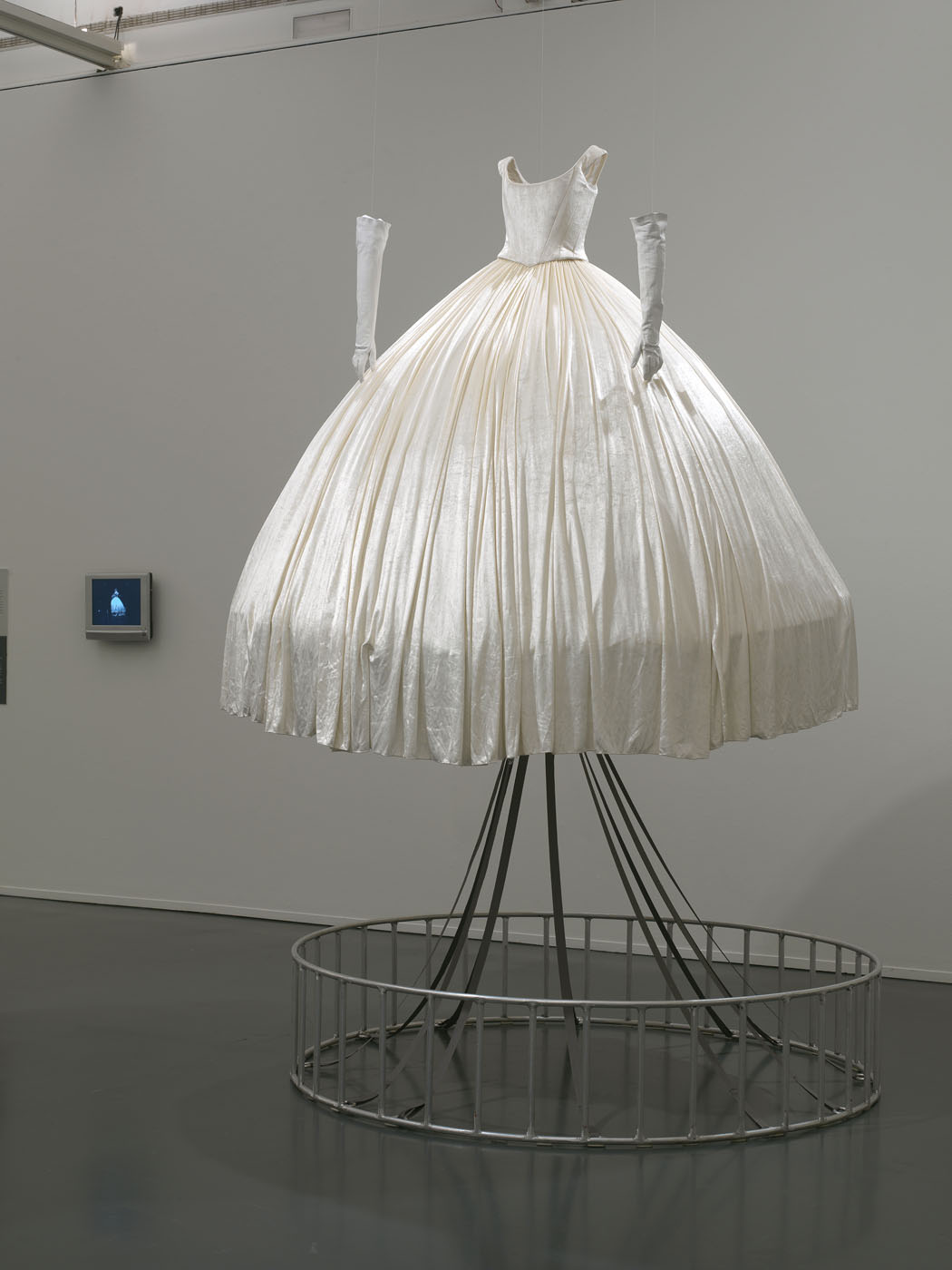
Woman and Dogs (Defence) / 1995
-
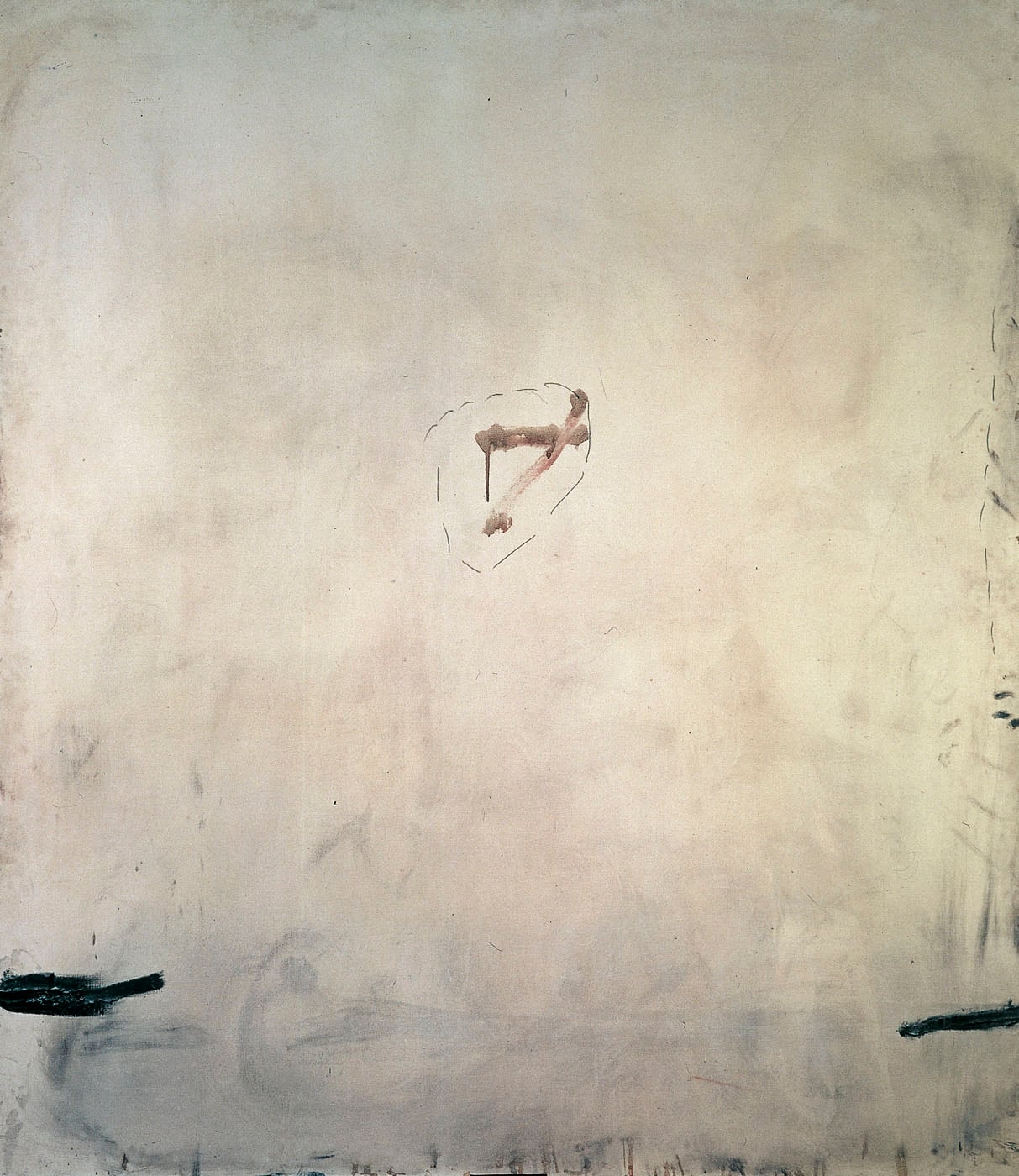
Great White without Matter / 1965


